Morning skincare gets crowded fast.
Cleanser. Serum. Moisturizer. Sunscreen. Makeup. Maybe a barrier cream if the face is acting dramatic. Maybe a glow product if the skin looks flat.
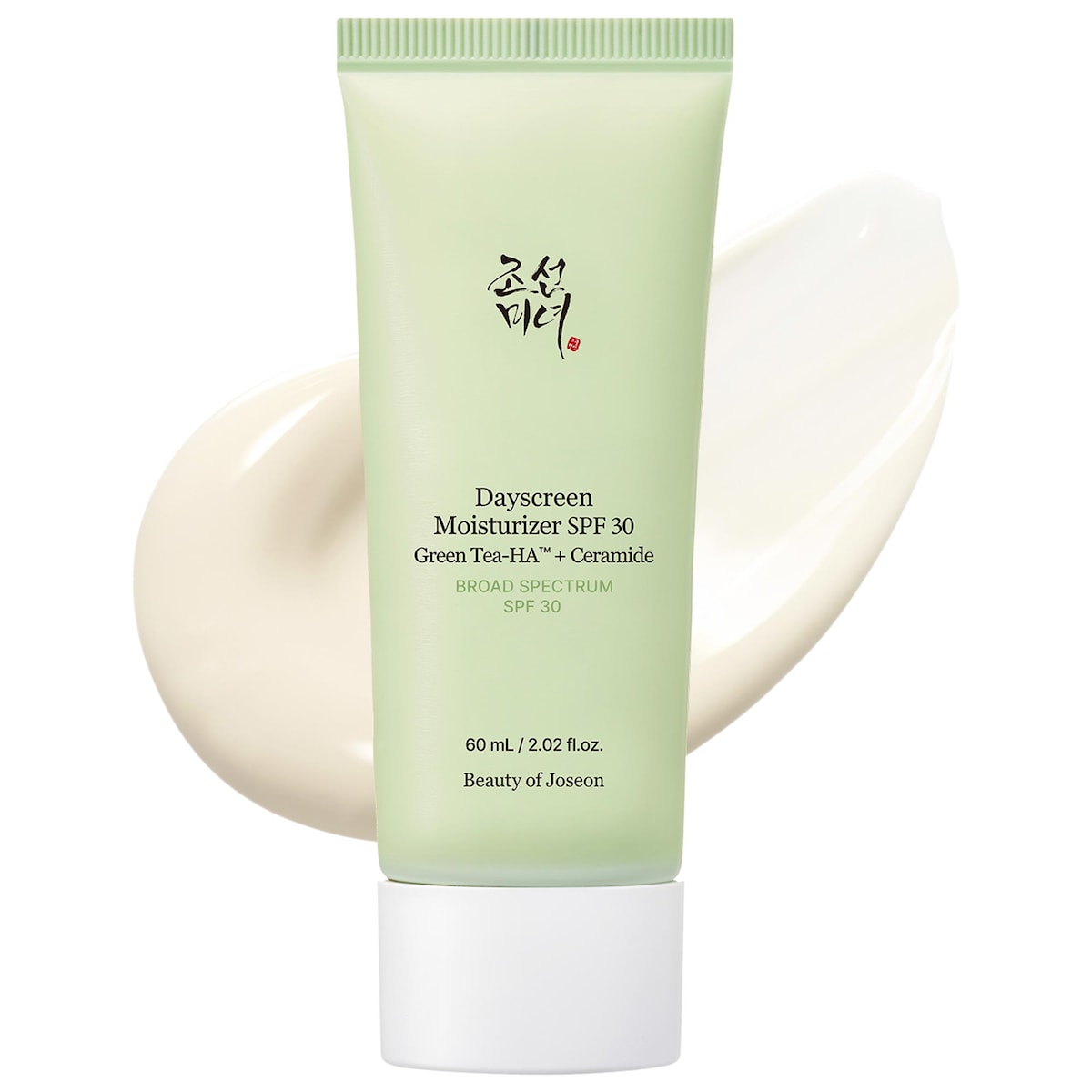
That is why a product like Beauty of Joseon Dayscreen 2-in-1 SPF 30 Moisturizer is tempting. It offers a cleaner morning: moisture and sun protection in one step, from a brand people already associate with comfortable sunscreen.
But I would not treat it like a shortcut without asking a few harder questions first.
Does it give enough moisture to replace your cream?
Does SPF 30 fit your actual day?
Does it sit well under makeup?
And is this really the Beauty of Joseon sunscreen you want, or are you only buying it because the name feels familiar?
Quick answer
Beauty of Joseon Dayscreen 2-in-1 SPF 30 Moisturizer makes the most sense for normal, combination, slightly dry, or moisturizer-avoidant skin that wants a lighter morning product with built-in daily SPF. It is most interesting when your current morning routine feels too layered and you want one product to handle basic hydration plus everyday protection.
I would not make it my only sunscreen for long outdoor days, beach days, high-sweat workouts, or serious midday sun. I would also be careful if your skin is very dry, very oily, acne-reactive to richer sunscreen textures, or already dependent on a specific moisturizer to keep irritation down.
The cleanest way to use it is simple: treat it as your morning moisturizer plus SPF for ordinary days, apply enough, and reapply when you are still getting sun.
What Beauty of Joseon Dayscreen is trying to be
Dayscreen is not trying to be a thick recovery cream. It is not trying to be a matte sport sunscreen. It is not trying to be the most serious outdoor SPF in your cabinet.
It is trying to be the morning product you can actually repeat.
That matters because a lot of people do not skip sunscreen because they hate the idea of sunscreen. They skip it because the routine feels bad once everything is layered. The moisturizer is too rich, then the SPF is tacky, then makeup slides, then by noon the whole face feels like it has too many products on it.
Dayscreen is built around a more practical promise: a weightless hydrating moisturizer with SPF 30, green tea-HA, and ceramides. Beauty of Joseon also frames it as an easy U.S.-friendly daily sunscreen option made with FDA-approved filters.
That positioning tells me how to judge it. I would not judge it against a heavy winter cream. I would judge it against the kind of morning moisturizer you use because it feels easy enough to keep.
The first decision: are you replacing moisturizer, sunscreen, or both?
This is where people can get disappointed.
A 2-in-1 product only works if you know which job it is replacing.
If your current moisturizer is light and your sunscreen is the annoying part, Dayscreen might simplify the whole morning. If your current moisturizer is essential because your skin gets tight, flaky, or retinoid-dry, Dayscreen may not replace it by itself. If your current sunscreen is a high-protection SPF 50 you depend on for outdoor exposure, this may be a softer everyday option, not the full replacement.
I would think of it like this:
| If your morning problem is... | Dayscreen might help by... | What to watch |
|---|---|---|
| Too many layers | Combining basic moisture and SPF | You still need enough product for protection |
| Cream feels heavy under sunscreen | Giving a lighter single step | Dry cheeks may still want a thin moisturizer underneath |
| SPF feels too sunscreen-y | Feeling more like skincare | It is still sunscreen, so reapplication rules still apply |
| Makeup slides by noon | Reducing product stacking | Test with your actual base products |
| Dry skin by midday | Maybe adding comfort | It may not replace a richer barrier cream |
That is the real purchase decision. Not "is it good?" Good for what morning?
The SPF 30 tradeoff
SPF 30 is useful. It is not meaningless. It is also not the same decision as reaching for SPF 50 when you know your exposure will be higher.
The American Academy of Dermatology recommends a broad-spectrum, water-resistant sunscreen with SPF 30 or higher for daily sun protection. That makes SPF 30 a valid daily baseline when the product is used correctly.
The phrase "used correctly" is doing a lot of work.
Most people under-apply sunscreen. A moisturizer-with-SPF format can make that easier to do because your brain treats it like a moisturizer amount instead of a sunscreen amount. That is the mistake I would actively avoid with Dayscreen.
If you use a tiny pea-sized amount because it feels like skincare, you are not getting the protection the label is built around. Use enough to cover the face and neck properly, and reapply if you are outside, sweating, wiping your face, or sitting near bright exposure for longer than expected.
For ordinary indoor-heavy days, errands, school drop-off, commute life, or a low-key morning where you mainly need consistency, SPF 30 can make sense. For hiking, beach days, pool days, outdoor sports, long patio lunches, or anything where you are actually in the sun, I would reach for a more dedicated sunscreen plan.
Who I would buy it for
I would look hardest at Dayscreen for the person whose morning routine keeps failing because it feels like too much.
That person may have normal or combination skin. They may be slightly dry but not peeling. They may want K-beauty comfort without waiting three weeks for an overseas sunscreen order. They may like Beauty of Joseon already but want something they can buy easily at Sephora.
This is the person I think it fits best:
- you want a lighter morning product
- your skin likes hydration but hates heavy cream
- you wear sunscreen mostly for daily life, not intense outdoor exposure
- you want a soft finish under makeup or tint
- your routine works better when there are fewer steps
- you want barrier-friendly language without a thick barrier-cream feel
That is a strong lane. A lot of people live there.
The problem is when Dayscreen gets forced into every lane. It is not automatically the answer for very dry skin. It is not automatically the answer for oily skin that gets shiny under every SPF. It is not automatically the answer for someone using strong acne medication who needs a richer night and morning recovery plan.
Who should skip or delay it
I would skip Dayscreen, or at least delay buying it, if your current routine is unstable.
If your skin is burning, flaking, peeling, or reacting to everything, do not make your moisturizer and sunscreen decision harder at the same time. Keep those jobs separate until the skin calms down. A simple moisturizer plus a sunscreen you already tolerate will teach you more than a new hybrid product.
I would also skip it if:
- you need water-resistant sunscreen for sweat or swimming
- you know SPF 30 is not enough for your day
- every dewy sunscreen turns greasy on you
- you prefer matte or silicone-blur finishes
- your skin needs a richer cream to tolerate retinoids or acne treatment
- you tend to under-apply moisturizer-SPF products
That last one is personal but important. If you know you will not apply enough, buy a sunscreen that makes the correct amount easier for you.
Dayscreen vs the Beauty of Joseon sunscreens people already know
Beauty of Joseon has a sunscreen reputation because its formulas often feel more like skincare than old-school sunscreen. That is exactly why Dayscreen is interesting, but it also creates confusion.
People hear "Beauty of Joseon sunscreen" and assume every version solves the same problem. They do not.
Dayscreen is the U.S.-friendly moisturizer-plus-SPF 30 lane. Day Dew and Relief Sun sit in different sunscreen conversations, and some versions people talk about online are not the same as what is easiest to buy in the U.S. at Sephora.
I would not get lost in brand loyalty. I would choose by job:
| Product lane | Best fit | Skip if |
|---|---|---|
 Beauty of Joseon Dayscreen SPF 30 Beauty of Joseon Dayscreen SPF 30 | You want a moisturizer-SPF for normal daily mornings | You need SPF 50 or water resistance |
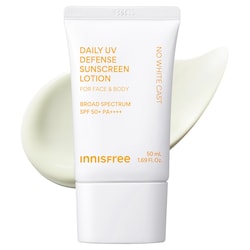 innisfree Daily UV Defense SPF 50 innisfree Daily UV Defense SPF 50 | You want an easy everyday SPF 50 from Sephora | You want your sunscreen to replace moisturizer |
 Supergoop Unseen Sunscreen SPF 50 Supergoop Unseen Sunscreen SPF 50 | You want a smoother primer-like sunscreen feel | You dislike silicone-style sunscreen textures |
That comparison is more useful than treating one product as universally better. Dayscreen is the softer skincare-morning route. Innisfree is the clearer everyday SPF 50 route. Supergoop is the primer-feel route.
How I would test it the first week
I would not test Dayscreen during a full routine overhaul.
Keep the rest of the morning boring. Use your normal cleanser, your normal serum if you already tolerate it, then Dayscreen. Do not add a new vitamin C, a new toner, a new foundation, and a new SPF in the same week.
The first week should answer a few practical questions:
- Does my skin feel comfortable by noon?
- Does my sunscreen layer pill?
- Does makeup sit better or worse?
- Do my cheeks feel under-moisturized?
- Does my T-zone get shinier than usual?
- Do my eyes sting?
- Am I applying enough, or am I treating it like a tiny moisturizer dose?
Those answers matter more than the first thirty seconds after application. Plenty of products feel beautiful at the sink and fail by lunch.
How to layer it
Start with the cleanest version.
Morning:
- Gentle cleanser or rinse.
- Hydrating serum only if you already use one.
- Beauty of Joseon Dayscreen SPF 30.
- Makeup if you wear it.
If the skin still feels tight, I would add a thin moisturizer underneath only on the dry zones. Not a full heavy cream everywhere. Just enough support where the skin is asking for it.
If the skin gets shiny, I would remove extra steps first before blaming Dayscreen. A rich serum underneath can make any sunscreen look greasier. A heavy moisturizer underneath can turn a comfortable SPF into a sliding layer.
If it pills, change one variable at a time. Use less serum, wait longer between layers, or try it over bare skin. Do not immediately decide the product is bad if the real issue is one incompatible layer.
The makeup question
This is one of the reasons Dayscreen is getting attention.
A sunscreen that moisturizes and sits well under makeup can remove a lot of morning friction. Marie Claire's review of the product focused heavily on how well it sat under makeup, which lines up with the real use case: people want sunscreen that does not make the rest of the face harder.
I would still test it with your actual makeup.
Not the makeup you imagine using.
Your real tint. Your real concealer. Your real powder. Your real rush.
If your base products are already dewy, Dayscreen may be enough underneath. If your foundation is matte or drying, you may need more skin prep. If your makeup tends to separate around the nose, watch that area closely before deciding it works.
The best morning SPF is not the one that looks best alone on your hand. It is the one that survives your actual face.
What about acne-prone skin?
Acne-prone skin is where I would be measured.
I would not assume Dayscreen causes breakouts. I would also not assume any sunscreen-moisturizer hybrid is automatically safe for every acne-prone person. Breakouts are pattern-based. Texture, removal, other products, sweat, hormones, and under-cleansing all matter.
If you are acne-prone, I would test it without changing your acne treatment. Use it for several mornings, cleanse properly at night, and track whether new bumps show up in a pattern. Forehead and hairline congestion can sometimes be product or sweat related. Cheek and chin changes may have other causes.
If your skin is acne-prone but dehydrated, Dayscreen could be useful because skipping moisturizer often makes treated skin feel tighter and more reactive. If your skin is acne-prone and very oily, you may prefer a more matte sunscreen or a lighter gel moisturizer under a dedicated SPF.
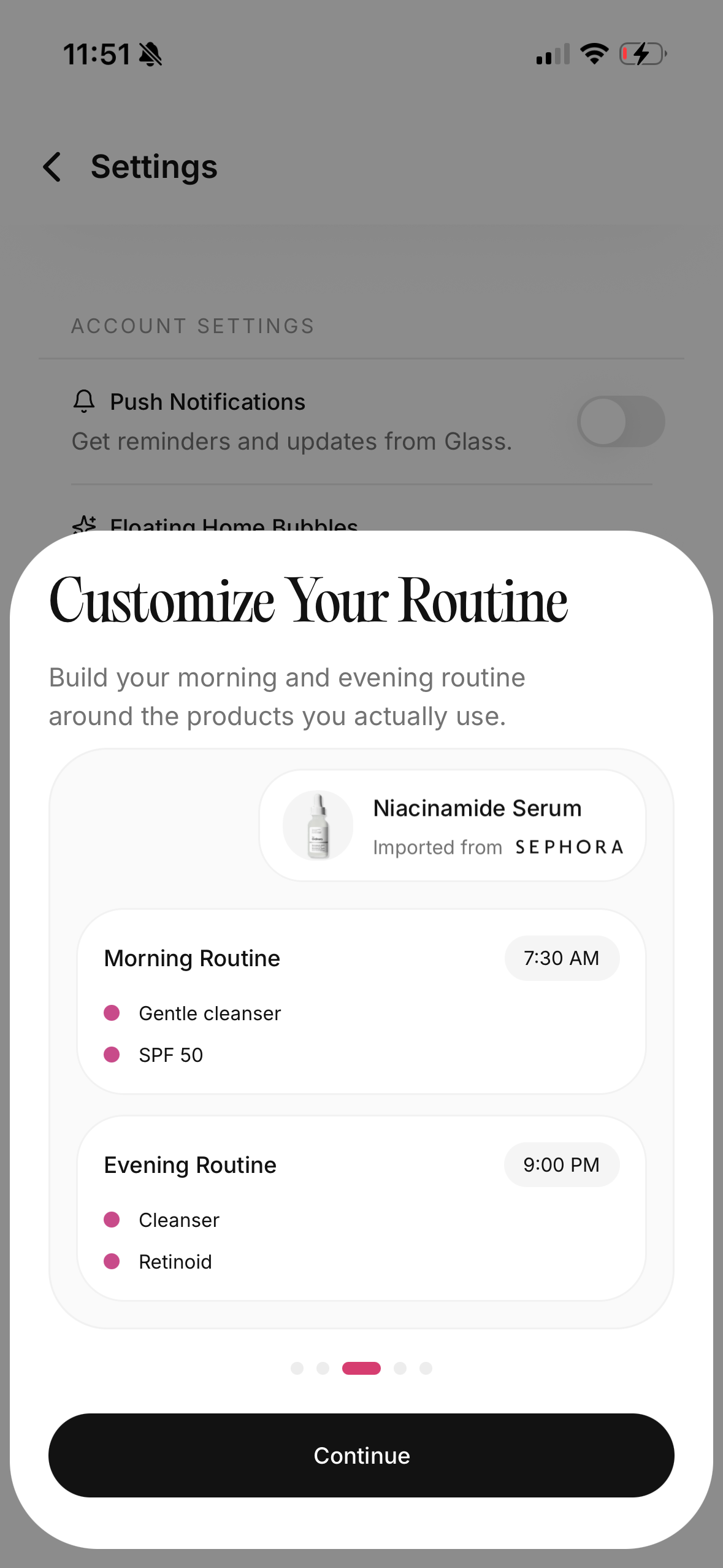
That distinction is exactly why I like tracking product changes in Glass. You can log the product, photos, breakouts, and routine consistency instead of trying to remember everything two weeks later.
The reapplication problem
The easiest fantasy is that a moisturizer-SPF solves sunscreen forever.
It does not.
If you are still getting sun later, you still need to reapply. The FDA notes that sunscreens should be reapplied at least every two hours and more often after swimming or sweating, according to label directions. That does not become optional because the texture feels like skincare.
The practical move is to plan the second application before the day starts. If you wear makeup, that may mean a compatible sunscreen stick, mist, cushion, or a hands-on reapplication if you are comfortable with it. If you do not wear makeup, it is simpler: bring the tube and reapply.
For short indoor-heavy days, this may not be a dramatic issue. For outdoor days, it is the whole point.
How it compares to using separate moisturizer and SPF
Separate steps give you more control.
A dedicated moisturizer lets you tune comfort. A dedicated sunscreen lets you tune protection, finish, water resistance, and reapplication. That is why I still like separate products for people with sensitive, very dry, very oily, or high-exposure routines.
Dayscreen is for a different kind of control: fewer decisions.
If your barrier is fine and your biggest issue is morning friction, fewer decisions may be exactly what helps you stay consistent. A perfect separate routine you skip three times a week is not better than a good hybrid product you use every morning.
That is the honest tradeoff. Separate products are more customizable. Dayscreen is easier.
The routine I would build around it
For normal or combination skin:
Morning: rinse or gentle cleanse, Dayscreen, makeup if needed.
Night: cleanser, treatment if already tolerated, moisturizer.
For slightly dry skin:
Morning: hydrating serum or light moisturizer on dry zones, Dayscreen.
Night: cleanser, barrier-supportive moisturizer.
For oily skin:
Morning: gentle cleanse, Dayscreen alone, skip extra cream unless tight.
Night: cleanser, lightweight moisturizer or treatment plan.
For acne-prone skin:
Morning: keep acne products stable, use Dayscreen as the SPF step, track changes.
Night: cleanse thoroughly, use the treatment your skin already tolerates, moisturize enough to avoid irritation.
If you are still rebuilding the whole order, keep morning and night skincare routine order open. If the issue is routine follow-through, how to build a skincare routine you will actually follow is the better next read.
The bottom line
Beauty of Joseon Dayscreen 2-in-1 SPF 30 Moisturizer is most compelling when your morning routine needs less weight, fewer steps, and a sunscreen that behaves more like skincare.
I would buy it for normal, combination, or slightly dry skin that wants an easy daily SPF moisturizer. I would be more cautious for very dry skin, very oily skin, high-sun days, heavy sweat, or routines where sunscreen protection needs to be more specialized.
The product is not the whole sunscreen plan. It is a daily morning tool. Use enough. Reapply when the day asks for it. Track whether your skin is actually calmer and more consistent, not just whether the bottle sounds like the routine you wish you had.
Useful references: Beauty of Joseon Dayscreen Moisturizer SPF 30, Sephora product listing, AAD sunscreen guidance, FDA sunscreen use guidance, and Marie Claire's Dayscreen review.