
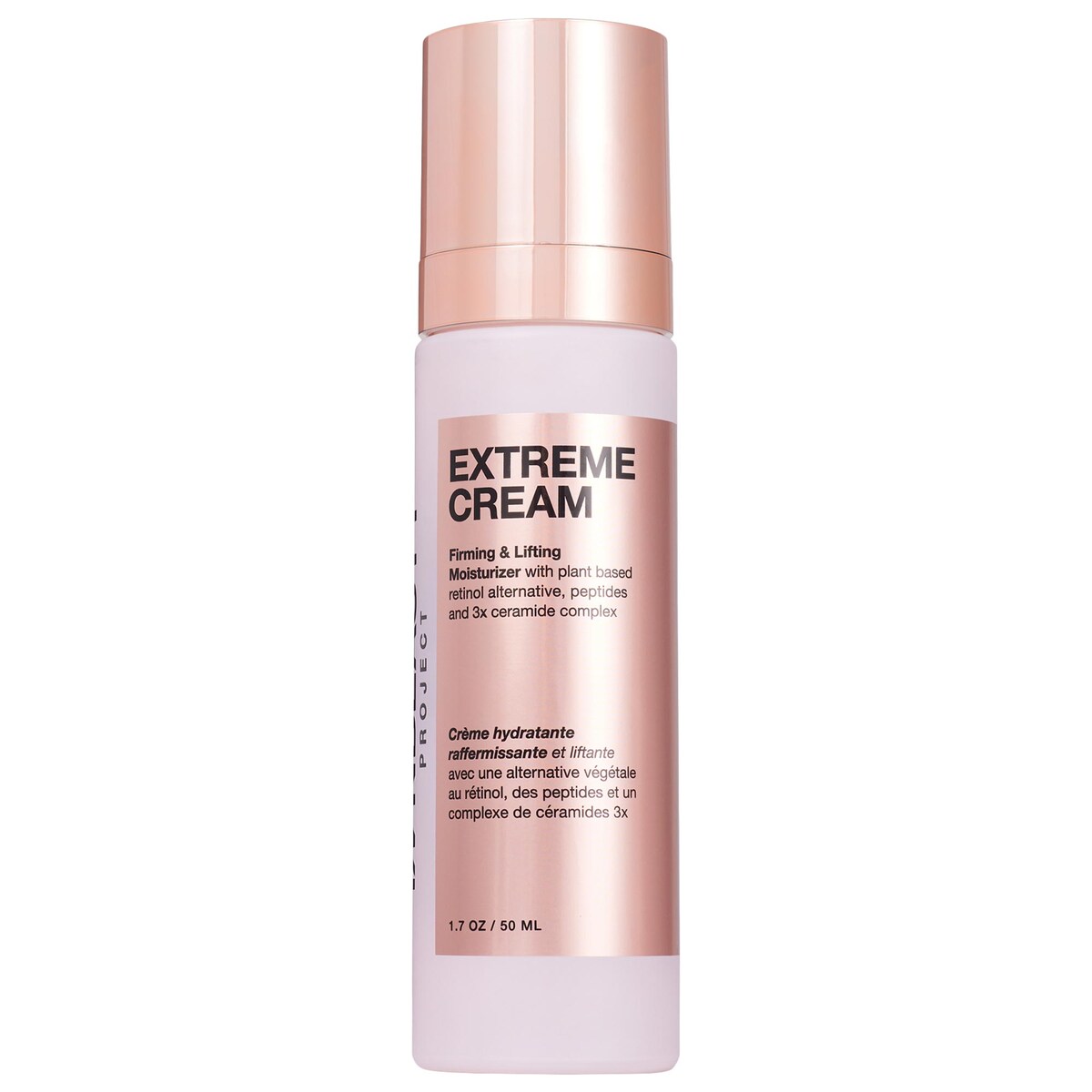
The mistake with a cream like INNBeauty Project Extreme Cream is thinking the product name tells you the routine.
It does not.
INNBeauty Project Extreme Cream is a rich, active-support moisturizer with peptides, a bio-retinol claim, three ceramides, squalane, glycerin, panthenol, tremella, allantoin, and a makeup-ready positioning. That sounds simple until you try to place it next to retinol, vitamin C, sunscreen, foundation, dry patches, and combination-skin shine.
As of May 2026, the product sits in a useful but easy-to-overdo lane: more ambitious than a basic cream, less direct than a dedicated treatment. Sephora lists it for dry and combination skin, with fine lines, dryness, and loss of firmness as the main concern lane. The practical question is not "Is this powerful?" The practical question is "Where does this fit without making the rest of the routine messy?"
My answer: I would use Extreme Cream as the moisturizer step after serum, not as another active layer to stack aggressively. In the morning, it goes before sunscreen. At night, it goes after treatment or around treatment depending on tolerance. Under makeup, the amount and wait time matter more than the product name.
The Routine Rule
The simple rule is:
Cleanse, serum or treatment, Extreme Cream, sunscreen in the morning.
That is enough for most people. The problem starts when every product with a firming or smoothing claim gets treated like a separate treatment. Extreme Cream already brings a lot into the moisturizer step. You do not need to make the whole routine louder just because the cream sounds active.
| Routine slot | Where Extreme Cream goes |
|---|---|
| Morning with vitamin C | After vitamin C, before sunscreen |
| Morning without serum | After cleansing or rinsing, before sunscreen |
| Night with retinol | After retinol if tolerated, or as a buffer if sensitive |
| Night without actives | Final moisturizer step |
| Makeup prep | Thin layer, wait, then SPF and base |
| Barrier reset | Cream after gentle cleanse, no extra actives for a few nights |
That table is boring on purpose. Boring routines are easier to diagnose.
Why This Cream Can Get Confusing
Extreme Cream has moisturizer ingredients and treatment-sounding language in the same product.
The moisturizer side includes squalane, glycerin, panthenol, emollients, and texture builders. The barrier side includes ceramide AP, ceramide EOP, ceramide NP, cholesterol, phytosphingosine, and related lipids. The firming side includes peptides and a bio-retinol positioning. The comfort side includes bisabolol, allantoin, tremella mushroom extract, and panthenol.
That mix is useful, but it can blur the role of the product. If you treat it like a moisturizer, it can make sense. If you treat it like a retinol, peptide serum, barrier cream, primer, and night treatment all at once, you may start expecting too much from one step.
I would make the product prove the moisturizer job first: less tightness, better comfort, smoother SPF, fewer rough patches, and a finish you like enough to repeat.
Morning Routine With Vitamin C
If you already use vitamin C in the morning, I would not add drama.
Use vitamin C first, let it settle, then use Extreme Cream, then sunscreen. If your vitamin C is watery, this order is straightforward. If your vitamin C is creamy or silicone-heavy, watch for pilling and reduce the amount of one layer.
A clean morning routine could look like this:
- Rinse or gentle cleanse.
- Vitamin C serum if already tolerated.
- Extreme Cream.
- Sunscreen.
- Makeup if needed.
Do not judge the cream while also starting a new vitamin C serum. The product may be great and the serum may be irritating, or the serum may be fine and the layers may simply not agree. Change one thing at a time.
If brightening is the bigger goal, use best vitamin C serums at Sephora for dark spots to keep the serum decision separate from the moisturizer decision.
Morning Routine Without Serum
If your routine is minimal, Extreme Cream can be the only step between cleansing and sunscreen.
That may be the best way to test it. Gentle cleanse, thin layer of cream, sunscreen. If your skin feels comfortable and the sunscreen sits better, the cream is doing a real job.
I would use less than I think I need at first. A cream can look beautiful when applied generously at night and still feel too glossy under SPF. Start with a thin layer, especially around the T-zone, then add more only to dry cheeks or smile lines.
For combination skin, I would not force one amount everywhere. More on cheeks, less on forehead and nose is a valid routine.
How To Use It With Retinol
Retinol and moisturizer have to be paced.
Extreme Cream includes a bio-retinol claim, but I would still separate it mentally from a true retinoid or prescription routine. If you already use retinol, retinal, adapalene, tretinoin, or another retinoid, let the retinoid keep its role. Let Extreme Cream be the comfort layer that helps the routine stay tolerable.
There are three practical ways to use it:
| Method | Best for | How it works |
|---|---|---|
| Retinol then cream | Skin that already tolerates retinoids | Apply retinol, wait if needed, then Extreme Cream |
| Moisturizer sandwich | Skin that gets dry or irritated | Thin cream layer, retinol, another thin cream layer |
| Alternate nights | Skin that is already overworked | Retinol nights separate from recovery nights |
I would choose the gentlest method that lets the routine stay consistent. More intensity is not better if it makes you quit by week two.
The Moisturizer Sandwich
The sandwich method is not glamorous, but it is useful.
Apply a thin layer of moisturizer, apply retinol, then apply another thin layer of moisturizer. This can reduce the harsh feeling of a retinoid routine for people who get tight, dry, or flaky.
Extreme Cream can work in that structure if your skin likes the texture. I would keep both layers thin. A thick first layer can make the retinoid spread unevenly, and a thick final layer can feel too heavy.
If your skin still burns, peels aggressively, or feels raw, the answer may be reducing retinoid frequency instead of adding more cream. Moisturizer supports the routine. It should not be used to cover up a schedule your skin cannot handle.
Night Routine Without Retinol
On non-retinol nights, Extreme Cream can be the final step.
This is the easiest place for it. There is no sunscreen to fight. No makeup to grip. No midday shine test. The question is simple: does the skin feel better in the morning?
I would use it after cleansing and any hydrating serum that is already part of the routine. If the skin is very dry, a richer layer on selected patches can go on top. If the skin is combination, use less on oily zones.
This kind of night routine is especially useful after strong cleanser days, windy weather, travel, or a stretch of inconsistent skincare.
Barrier Reset Use
If the skin feels overworked, do not turn Extreme Cream into one more experiment.
Use it as part of a quiet reset:
Morning:
- Gentle cleanse or rinse.
- Extreme Cream.
- Sunscreen.
Night:
- Gentle cleanse.
- Extreme Cream.
Do that for a few nights before reintroducing actives. If the skin calms down, you have useful information. If it does not, the issue may be a specific product, a cleanser, the environment, or something that needs a clinician's eye.
If this is the pattern you keep running into, I repaired my skin barrier routine is a better next read than adding another active.
Under Sunscreen
Extreme Cream should not replace sunscreen. It goes underneath.
Because the cream has a richer feel and a glowy finish, the sunscreen pairing matters. A dewy sunscreen over a generous layer may be too much for combination skin. A drying sunscreen over a thin layer may be perfect for dry skin.
The best test is practical:
- Does the sunscreen apply evenly?
- Does it pill around the mouth, nose, or eyebrows?
- Does it look greasy by lunch?
- Does the skin feel dry again by midafternoon?
- Does makeup sit better or slide more?
I would change the amount before changing the product. A pea-size difference can matter under SPF.
Under Makeup
The makeup-prep use case is one of the best reasons to consider Extreme Cream.
Dry skin can make base products look worse than they are. Foundation clings to flakes, concealer creases faster, and skin tint looks patchy around the nose and mouth. A cream that adds comfort and smoothness can make makeup look more skin-like.
But the sequence matters:
- Apply a thin, even layer.
- Let it settle for about 60 seconds.
- Apply sunscreen.
- Let sunscreen settle.
- Apply makeup in thinner layers.
If base products pill, simplify. Skip extra primer for a day. Use less cream. Let layers settle. Avoid rubbing aggressively over sunscreen.
I would not judge a moisturizer from one rushed makeup morning.
For Dry Skin
Dry skin is the cleanest fit.
If your cheeks feel tight after cleansing, your makeup catches on rough areas, and lightweight gel creams disappear too fast, Extreme Cream makes sense. The formula has enough moisture and barrier-support cues to be more useful than a thin hydrator.
The risk for dry skin is expecting it to be an overnight mask. It is still a face cream, not a balm. If you are flaky from retinoid use or cold weather, you may need a targeted heavier layer on top at night.
I would use Extreme Cream as the main moisturizer first, then add more only where the skin still asks for it.
For Combination Skin
Combination skin should use this cream strategically.
Use a smaller amount through the T-zone and a fuller amount on cheeks. If your forehead gets shiny quickly, do not punish the product by applying the same dry-cheek amount everywhere.
Combination skin often needs zone logic. One product can still work if you stop using it like your face is one texture.
If the cream feels beautiful on cheeks but too much on the nose, keep it for cheeks and use a lighter product elsewhere. That is not failure. That is a better routine.
For Oily Or Acne-Prone Skin
I would be cautious.
Extreme Cream is not positioned as the lightest oil-free gel. It has a richer moisturizer structure and a glowy finish. Some oily or acne-prone users may love the comfort, especially if acne treatments are drying them out. Others may feel too coated.
If I were acne-prone and curious, I would patch test and then use it at night only for a few days. I would watch the jawline, cheeks, temples, and forehead for new bumps. I would not start it the same week as a new acne treatment.
If the real goal is a lighter moisturizer for breakouts, I looked at Sofie Pavitt Skin Jelly or I compared oil-free gel moisturizers at Sephora may be more aligned.
How Much To Use
Start smaller than the product name makes you want to.
For morning, a thin layer is enough. Add slightly more to dry patches only. For night, you can use a fuller layer if your skin wants it.
The right amount should leave skin comfortable, not coated. If your sunscreen pills, your makeup slides, or your face looks shiny before you leave the bathroom, reduce the amount.
If the skin still feels tight after a small amount, apply to slightly damp skin after a hydrating layer, or use more only where needed.
What Not To Combine On Day One
Do not start Extreme Cream on the same day as:
- a new retinol
- a new acid toner
- a new vitamin C
- a new cleanser
- a new sunscreen
- a new foundation
- a peel pad
- a scrub
This sounds strict, but it is the difference between learning and guessing.
If your skin looks better, you want to know why. If it looks worse, you want to know what changed. One new product at a time is not slow. It is efficient.
How I Would Track It
This is a clean Glass use case.
Add Extreme Cream to your routine, choose morning, night, or both, and log the start date. Track whether it changes tightness, dry patches, shine, makeup wear, sunscreen pilling, and new bumps. Take photos in the same light once or twice a week.
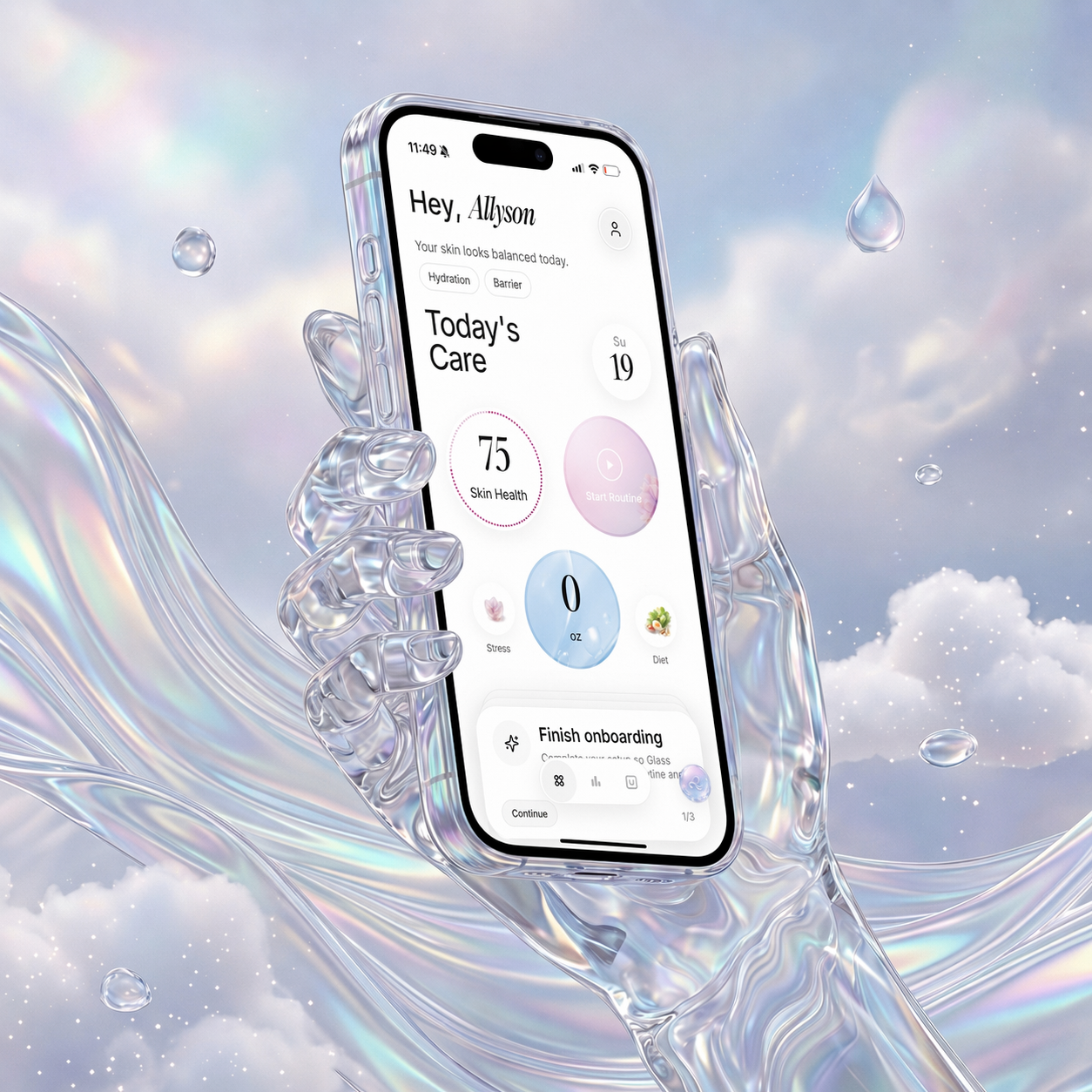
The product should earn its place by making your routine easier. Tracking helps separate a cream that feels nice once from a cream that actually improves your week.
If habit consistency is the bottleneck, how to build a skincare routine you will actually follow is the better starting point.
My Bottom Line
I would use INNBeauty Project Extreme Cream like a serious moisturizer, not like a miracle treatment.
In the morning, it belongs under sunscreen. Under makeup, use a thin layer and give it time to settle. With retinol, let it support the routine without turning every night into an active-heavy stack. For dry skin, it can be the main cream. For combination skin, use different amounts by zone. For oily or acne-prone skin, test slowly and be honest about richness.
The product makes the most sense when it solves a real routine problem: tightness, dry patches, makeup catching, barrier discomfort, or a moisturizer step that feels too basic. If you are only buying it because the name sounds powerful, slow down. A good cream should make the routine calmer, not more dramatic.
FAQ
Can I use INNBeauty Project Extreme Cream with retinol?
Yes. Use it after retinol if your skin already tolerates retinoids, or use a thin moisturizer sandwich if your skin gets dry or irritated. Reduce retinol frequency if your skin keeps burning or peeling.
Does Extreme Cream go before or after sunscreen?
It goes before sunscreen. Apply it after serum, let it settle, then apply SPF as the final morning skincare step.
Is it good under makeup?
It can be, especially for dry or combination skin that gets texture under base products. Use a thin layer, wait before sunscreen, and avoid rushing the layers.
Can oily skin use it?
Some oily skin can use it at night or only on dry zones, but it is not the lightest gel-cream lane. If rich creams usually feel heavy, start cautiously.