If you have sensitive skin, most glass skin routine articles create the exact problem they claim to solve.
They tell you to layer more. They tell you to exfoliate more. They tell you to chase more glow.
But if your skin is easily red, stingy, tight, or reactive, that advice usually backfires fast.
To shape this guide, I reviewed published guides on April 18, 2026, including Healthline’s How to Get Glass Skin, L’Oréal Paris Australia’s Gentle Glass Skin Routine for Sensitive Skin, QV’s Nighttime Skincare Routine for Sensitive Skin, Doctor Rogers’ Dermatologist Nighttime Skincare Routine, and Mirai Skin’s Korean Night Routine for Sensitive Skin 2026.
Those pages broadly agree on the important stuff:
- sensitive skin needs a gentler cleanser, not a harsher one
- hydration and barrier support matter more than trend-heavy layering
- over-exfoliation is one of the fastest ways to lose the look you want
- your night routine should feel calmer than your daytime one, not more aggressive
Where they still fall short is the practical part:
- They do not clearly separate glass-skin steps from sensitive-skin guardrails.
- They often keep too many optional steps in the “main routine.”
- They rarely tell you what to buy if you want a Sephora-accessible routine that still feels realistic.
- They do not spend enough time on the biggest sensitive-skin pain point of all: you want glow, but you cannot afford irritation to get it.
That is what this article fixes.
It also stays grounded in current dermatologist guidance where it matters. The American Academy of Dermatology still recommends a gentle, non-abrasive cleanser, and its current sunscreen guidance still points to broad-spectrum SPF 30 or higher. Cleveland Clinic’s current sensitive-skin guidance also keeps coming back to the same fundamentals: identify triggers, use mild cleanser, moisturize often, and wear sunscreen.
That is not flashy advice. It is just the advice that tends to work.
Quick answer
If you want the shortest version first, a good glass skin routine for sensitive skin looks like this:
- cleanse gently, especially at night
- add one calming hydration layer right away
- use one barrier-support serum instead of stacking three “gentle” products
- seal with a real moisturizer
- wear sunscreen every morning
That is already enough for most people.
If your skin currently burns when you apply almost anything, stop chasing glow for a minute and read skin barrier repair routine: what to do when everything suddenly stings. Sensitive skin gets glassier when it gets calmer first.
If your bigger confusion is routine order, not product choice, nighttime skincare routine order (April 2026) is the better companion read.
Why sensitive skin needs a different version of the glass-skin conversation
Sensitive skin usually does not fail at glass skin because it is “not trying hard enough.”
It fails because the routine keeps solving the wrong problem.
The common loop looks like this:
- skin looks dull, so exfoliation gets added
- skin gets red, so a calming serum gets added
- skin still feels dry, so a richer cream gets added
- the routine gets heavier and longer, but the skin still looks inconsistent
That is why so many sensitive-skin routines feel expensive and confusing.
For reactive skin, the goal is not maximum layering. The goal is to give each step one clean job:
- cleanse without stripping
- hydrate without irritation
- support the barrier without creating product soup
- moisturize enough to keep the routine from evaporating
- protect the skin every morning
Once those jobs are handled, the glow starts looking more believable.
Quick comparison table
| Image | Step | Product | Best for | Why it makes this routine |
|---|---|---|---|---|
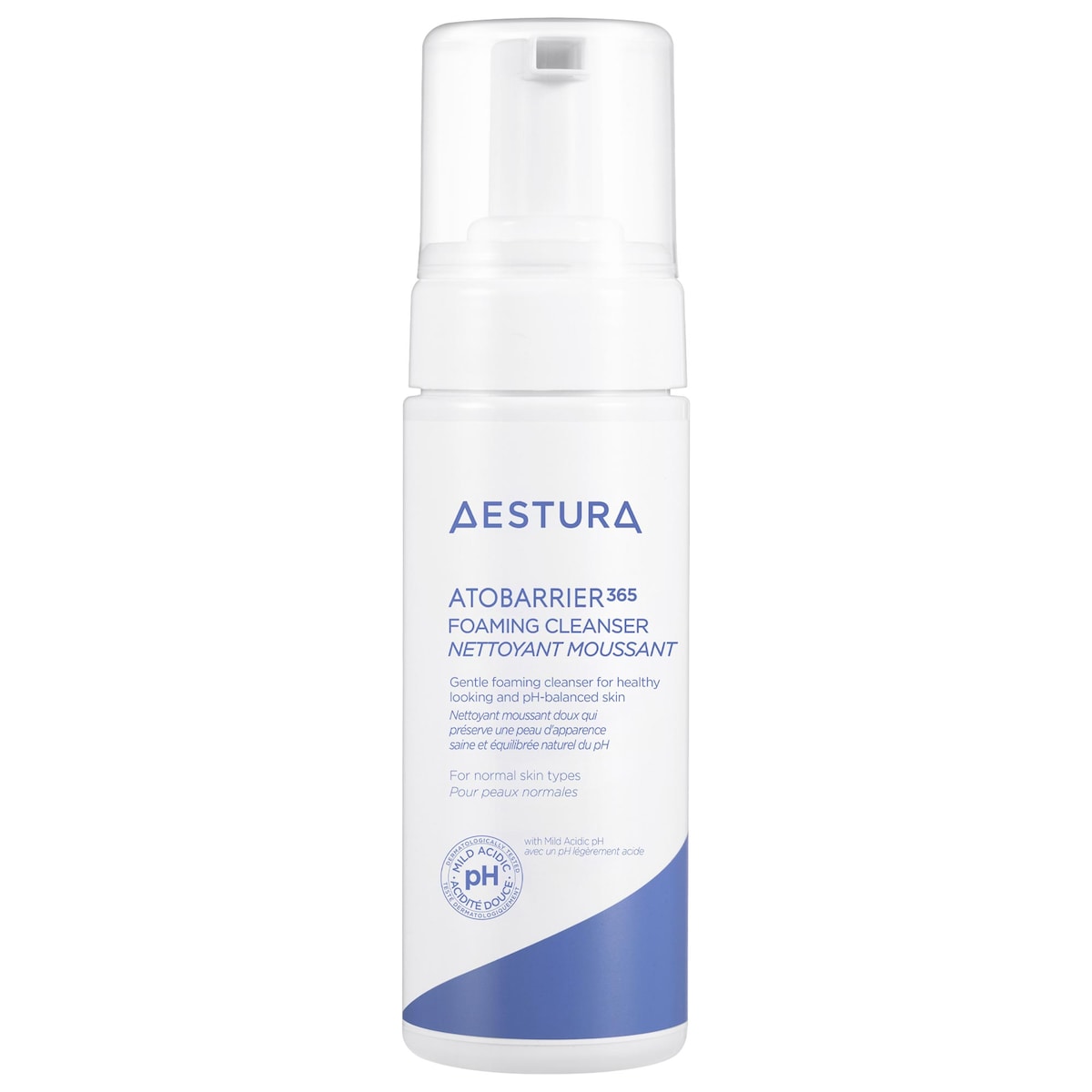
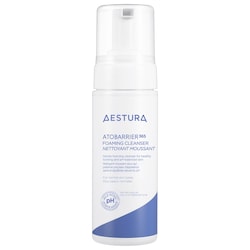 | Cleanse | AESTURA ATOBARRIER365 Gentle pH-Balancing Foaming Cleanser for Hydrating Sensitive Skin | Tight, red, easily stripped skin | A calmer starting point that does not make the rest of the routine work harder |
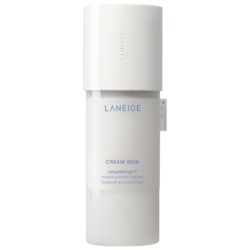 | Calm + hydrate | LANEIGE Cream Skin Milky Toner with Ceramides & Peptides for Nourishing Hydration | Sensitive skin that still wants the plump side of glass skin | A softer hydration layer than forcing multiple watery steps |
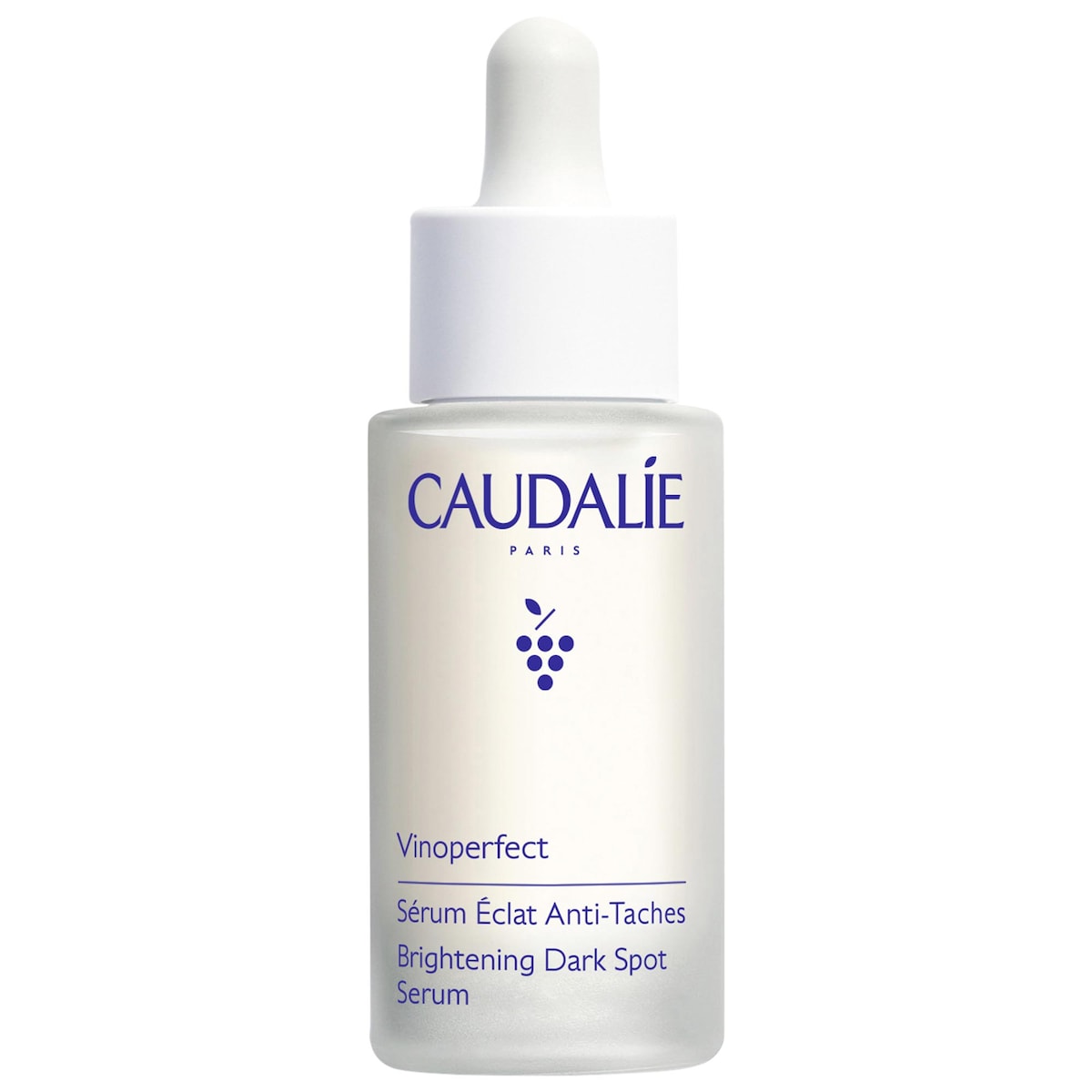
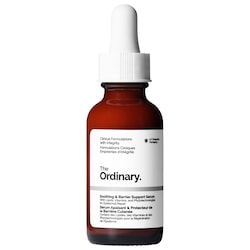 | Support | The Ordinary Soothing & Barrier Support Serum for Sensitive Skin Hydration | Reactive skin, barrier support, low-drama routines | The easiest low-risk serum slot for skin that gets annoyed fast |
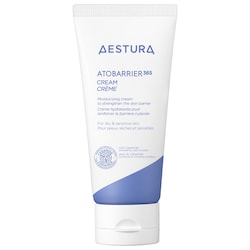 | Seal | AESTURA ATOBARRIER365 Cream Moisturizer with Ceramides & Niacinamide for Skin Moisture Barrier Repair | Dry-sensitive, overtreated, or fragile-feeling skin | The barrier-first cream that keeps the routine from collapsing by midday |
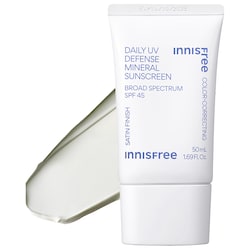 | Protect | innisfree Daily UV Defense Mineral Sunscreen Broad Spectrum SPF 45 | Sensitive skin that wants the mineral lane without excessive drama | The morning protection step that keeps redness and tone from sliding backward |
The glass skin routine for sensitive skin that actually makes sense
1. Start with a cleanser that does not leave your face feeling hot
If your face feels tight, warm, or weirdly shiny right after cleansing, the rest of the routine is already behind.
That is why cleanser choice matters more for sensitive skin than many guides admit. You do not need a cleanser that feels “deep.” You need one that removes sunscreen, oil, and the day without creating that stripped feeling that makes every serum afterward feel stronger than it should.
AESTURA ATOBARRIER365 Gentle pH-Balancing Foaming Cleanser fits that role well because it stays in the barrier-respecting lane.
Use it when:
- your face feels smaller after washing
- your skin gets red from aggressive foam cleansers
- your nighttime routine always feels harsher than planned
- you want the clean-skin feeling without the punishment
If you do not wear much makeup and your skin is reactive, you may not need a dramatic double cleanse every single night. That is one place where generic glass-skin content often gets too rigid.
2. Add one milky hydration layer instead of three lighter ones
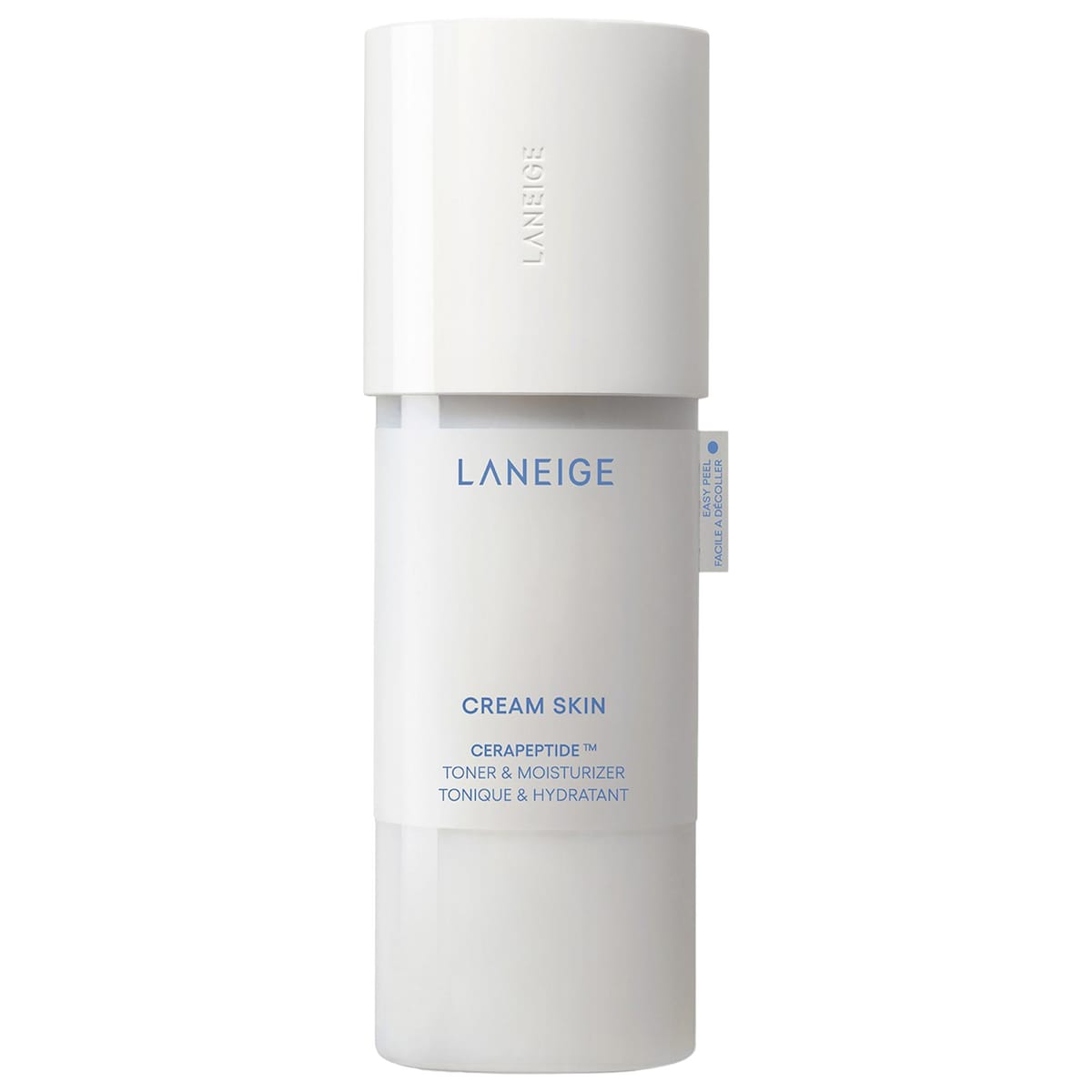
This is the step sensitive skin should steal from the better glass-skin routines.
Not because “toner” is mandatory, but because one good milky hydration step can do the work that people often try to force out of multiple more irritating layers.
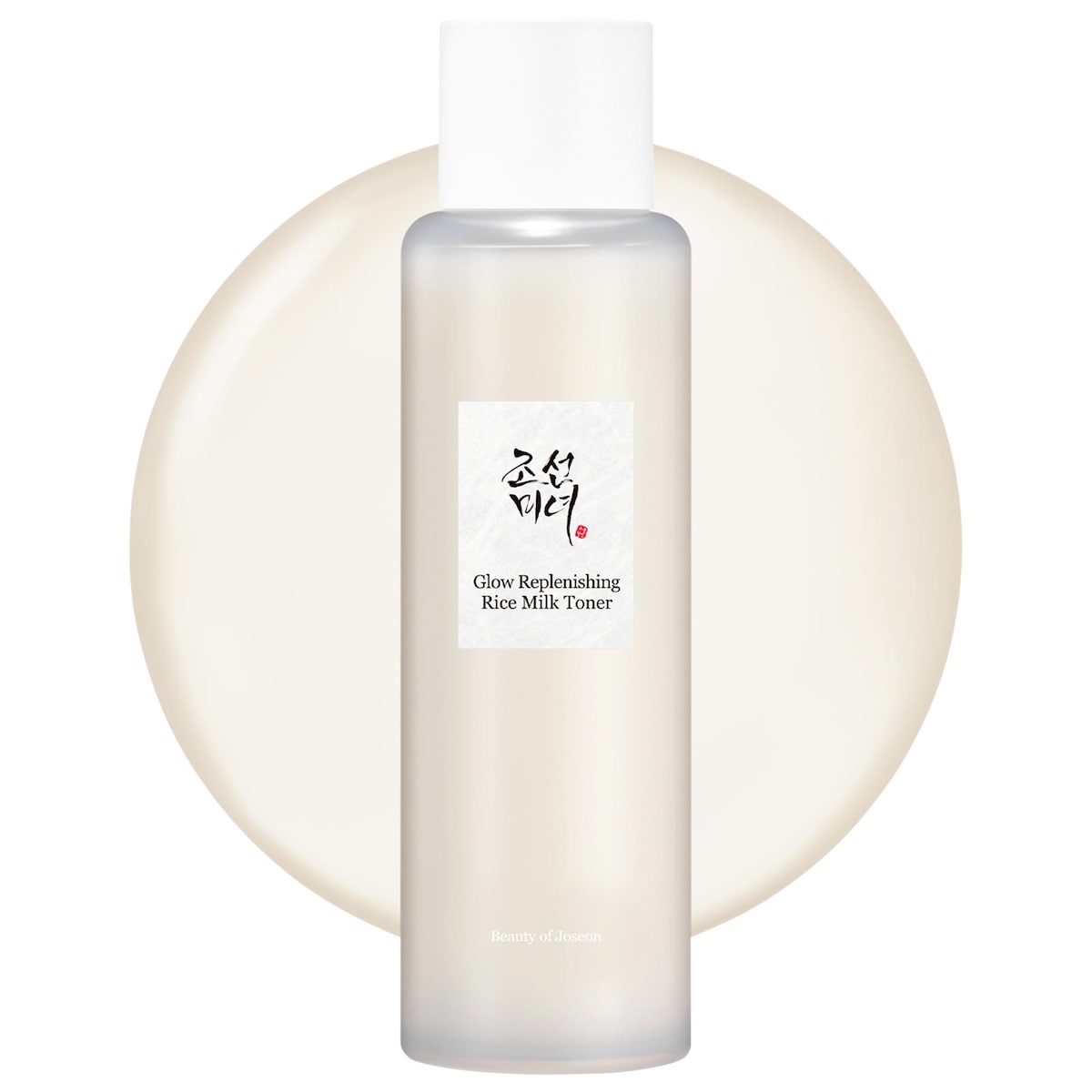
That is why LANEIGE Cream Skin earns a place here. It makes the routine feel more cushioned fast.
This step is especially useful if:
- your skin feels dry and reactive at the same time
- you want bounce without turning your face sticky
- your moisturizer feels like it is doing too much heavy lifting
- you want the routine to feel glowy, not just greasy
One thin layer is enough for many people. Two thin layers can make sense if your skin is more dehydrated than oily. The point is not to build a 7-step hydrating ritual. The point is to help the rest of the routine land more softly.
3. Use one barrier-support serum, not a stack of “gentle” serums
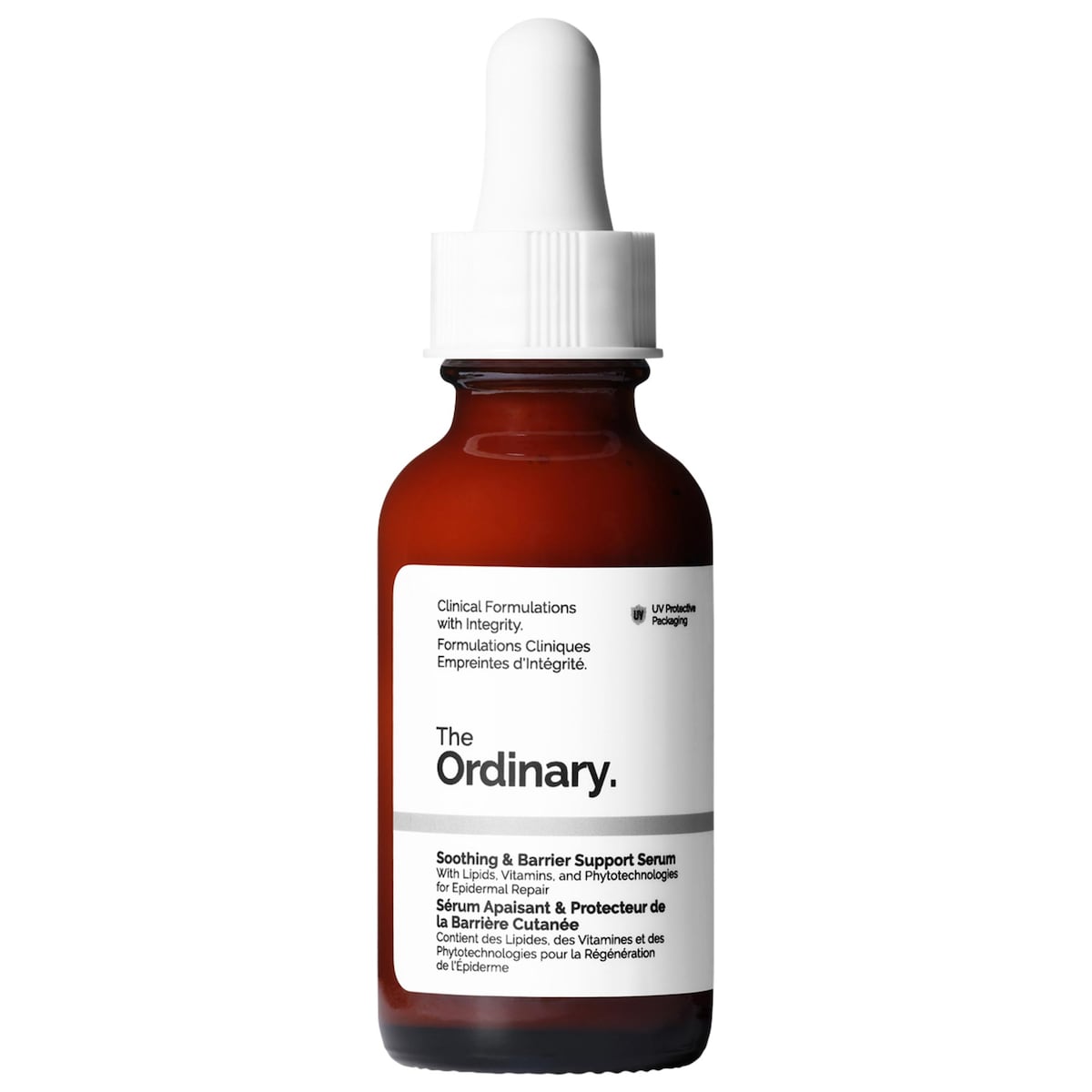
This is where sensitive-skin routines usually become messy.
Someone adds a redness serum, then a cica serum, then a hydrating serum, then a calming mist, and suddenly the routine feels safer on paper but more chaotic in real life.
The smarter move is often to pick one serum that clearly owns the barrier-support job.
The Ordinary Soothing & Barrier Support Serum works well in that slot because it is simple, affordable, and easy to repeat. It does not ask your skin to juggle six different identities at once.
Keep this step if:
- your skin is reactive but still looks dull
- you want more support without adding a treatment-heavy serum
- your face gets worse when the routine gets crowded
- you are trying to make the glass-skin look feel calmer, not flashier
If redness is your main issue, best redness serums at Sephora for sensitive skin is the better deep-dive. If the problem is a more obviously damaged barrier, best barrier repair serums at Sephora (April 2026) is the better next stop.
4. Use a moisturizer that behaves like the seal, not another experiment
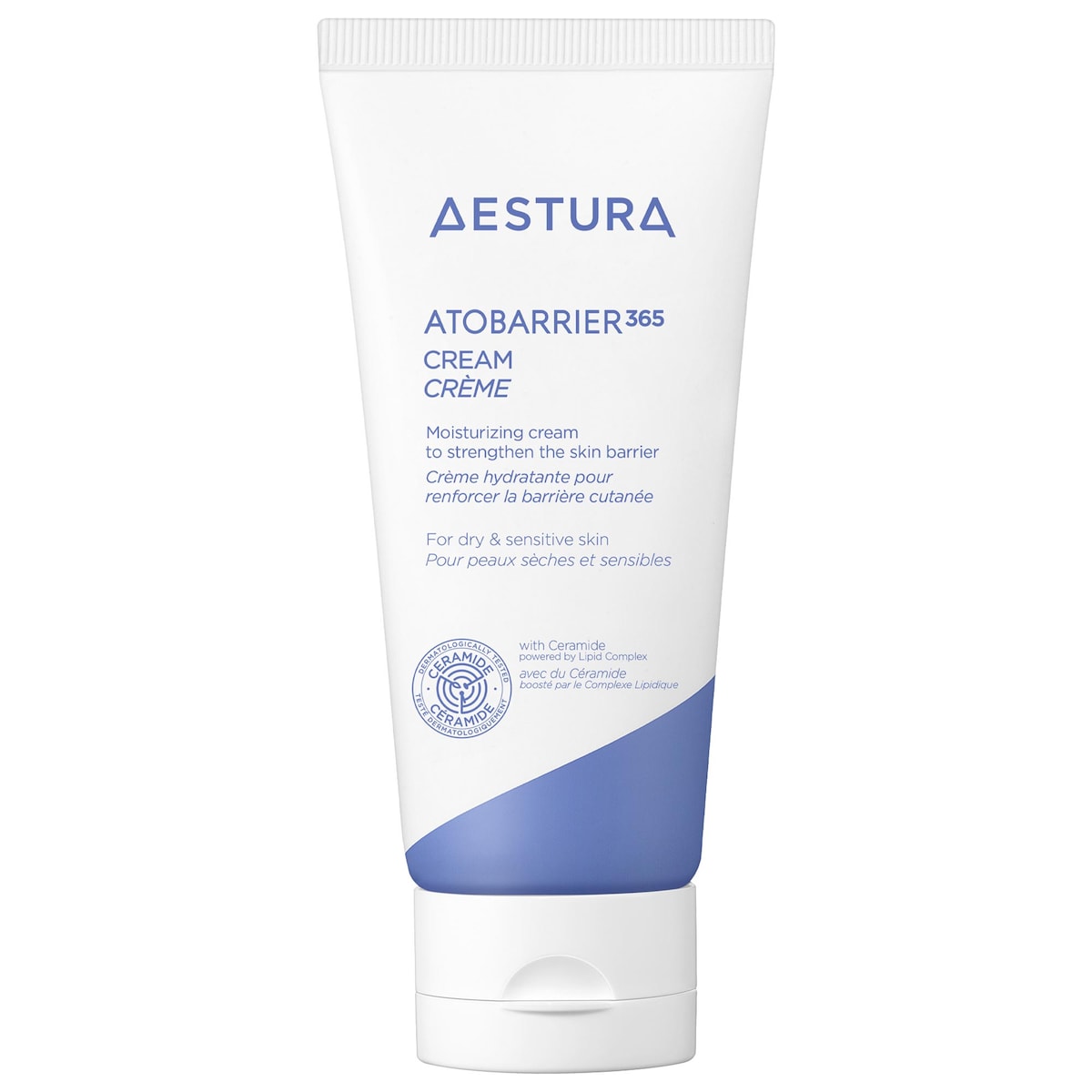
Sensitive skin needs a moisturizer that finishes the routine cleanly.
That does not automatically mean the richest cream on the shelf. It means a cream that makes the earlier steps worth doing because it actually helps keep hydration and comfort in place.
AESTURA ATOBARRIER365 Cream is the clearest pick here because it keeps the routine grounded in barrier support instead of trend-chasing.
Choose a cream like this when:
- the glow disappears by lunchtime
- you still feel tight even after hydrating serum
- your face is reactive and dull at the same time
- makeup catches on irritated or flaky areas
If your skin hates richer textures, move toward a lighter cream after your barrier is stable. But if your face is currently irritated, this is not the moment to make the moisturizer step too minimal just because glass skin sounds lightweight.
For a broader comparison, best moisturizers at Sephora for sensitive skin (April 2026) is the better shopping page.
5. Wear sunscreen every morning or the rest of the routine keeps losing ground
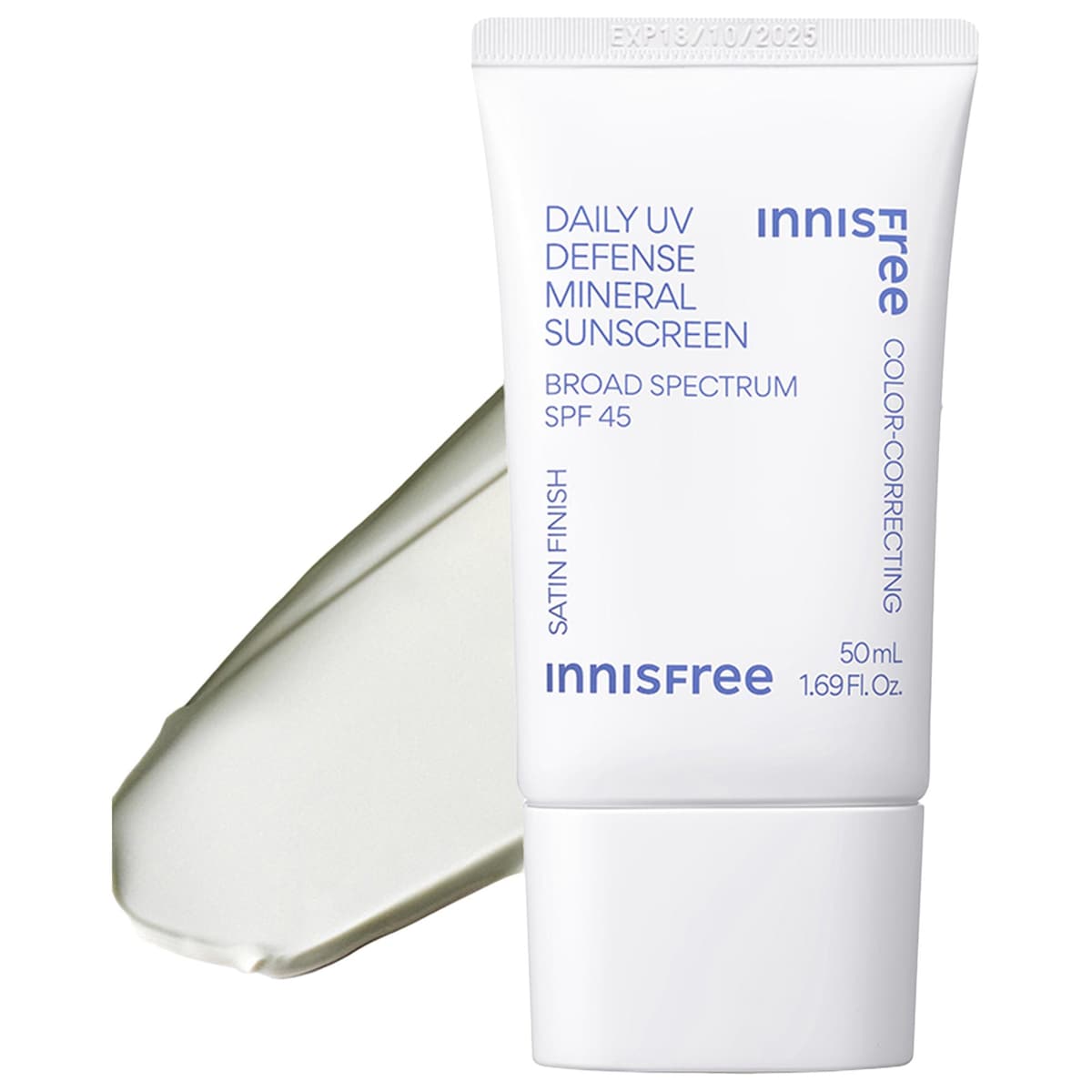
Every serious glass-skin article eventually lands here, and for good reason.
If you are trying to keep skin looking calmer, smoother, and more even, sunscreen is not a boring afterthought. It is the step that protects all the work you are doing.
For sensitive skin, the easiest lane is usually the one you will actually keep using. innisfree Daily UV Defense Mineral Sunscreen SPF 45 makes sense here because it stays in the mineral-sensitive-skin part of the category without turning the article into a sunscreen rabbit hole.
This matters because sensitive skin usually quits on SPF for one of three reasons:
- it stings
- it pills over the rest of the routine
- it feels so unpleasant that you quietly stop using enough of it
If that sounds familiar, best sunscreens at Sephora for sensitive skin is the better deeper read.
Morning order and night order
Here is the version most sensitive-skin readers can actually keep:
Morning
- Cleanse only if needed
- LANEIGE Cream Skin
- The Ordinary Soothing & Barrier Support Serum
- AESTURA cream if needed
- innisfree mineral sunscreen
Night
- AESTURA cleanser
- LANEIGE Cream Skin
- The Ordinary Soothing & Barrier Support Serum
- AESTURA cream
That is already a real routine. You do not need an extra acid, an extra mask, and a random brightening serum to make it count.
What to do if you still want glow but your skin is reactive
This is the part most guides rush through.
Sensitive skin can still look bright, plump, and reflective. It just usually gets there through:
- lower irritation
- better hydration
- better consistency
- fewer routine resets
In other words, the glow usually comes as a side effect of calmer skin, not as a reward for piling on more “radiance” products.
That is also why some people with sensitive skin get better results from this kind of routine than from more classic 10-step glass-skin guides. The shorter routine is easier to repeat, easier to troubleshoot, and less likely to trigger the exact redness you are trying to hide.
The biggest mistakes people with sensitive skin make when chasing glass skin
1. Exfoliating because the skin looks dull
Dullness is not always a cue to exfoliate. On reactive skin, it is often a cue that the barrier is tired.
2. Buying three calming products instead of fixing the cleanser
If the cleanser is too harsh, the whole routine starts from damage control.
3. Treating “glow” like a separate category from barrier health
For sensitive skin, they are the same category more often than not.
4. Skipping moisturizer because the serum feels hydrating
Hydration without a sealing step often disappears too fast to change how the skin actually behaves.
5. Changing the routine every four days
Sensitive skin gets harder to read when the plan keeps moving. Consistency is not boring here. It is diagnostic.
Who this routine is best for
This routine is best if:
- your skin gets red or stingy easily
- you want the glass-skin look without a harsh active stack
- your current routine feels too crowded to troubleshoot
- you want a Sephora-based routine that still feels realistic
It is not the right routine if your main goal is aggressive treatment for acne, pigmentation, or texture and your skin tolerates actives well. In that case, you need a more treatment-led plan, not just a calmer one.
Bottom line
The best glass skin routine for sensitive skin is not the one with the most steps. It is the one that lets reactive skin stay calm long enough to actually look smooth, plump, and even.
For most people, that means:
- one gentle cleanse
- one calming hydration layer
- one barrier-support serum
- one real moisturizer
- one sunscreen you will actually wear
That version is less exciting than trend content. It is also much more likely to work.
FAQ
Can sensitive skin actually get glass skin?
Yes, but the route is usually calmer than the classic multi-step version. Sensitive skin responds better to lower irritation, steady hydration, and barrier support than to aggressive glow-chasing.
Should I exfoliate if I have sensitive skin and want glass skin?
Only carefully, and not as the center of the routine. If your skin is currently red, hot, flaky, or stingy, simplifying the routine is usually the faster path to better-looking skin.
Is niacinamide okay for sensitive skin?
Often yes, but not every formula feels the same. Sensitive skin usually does better when niacinamide shows up inside a calmer, barrier-supporting routine instead of inside a stack of active-heavy products.
What if sunscreen stings?
That usually means the formula, the routine underneath it, or your barrier condition needs attention. Do not force a sunscreen you hate. Switch to a gentler option and simplify the layers underneath it.