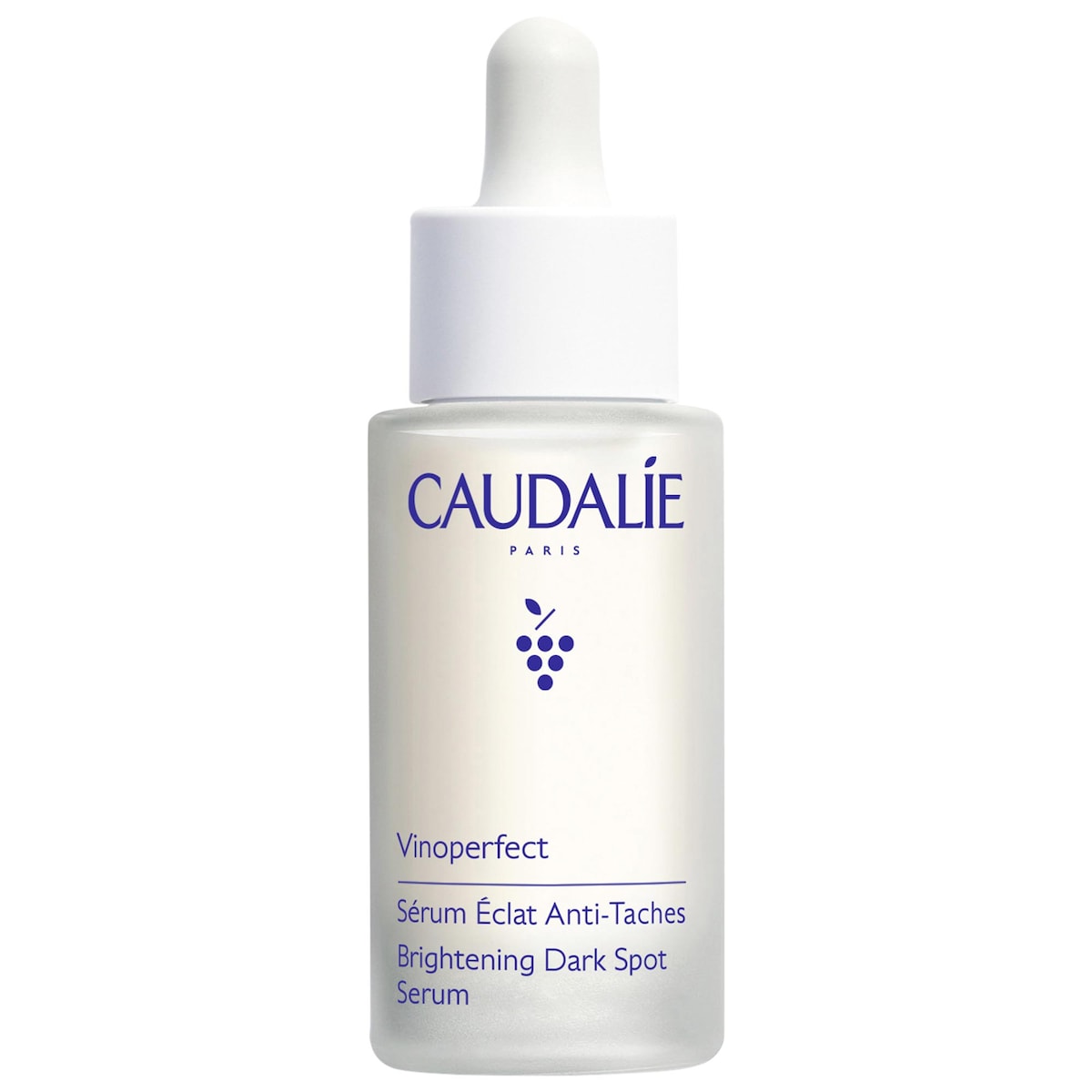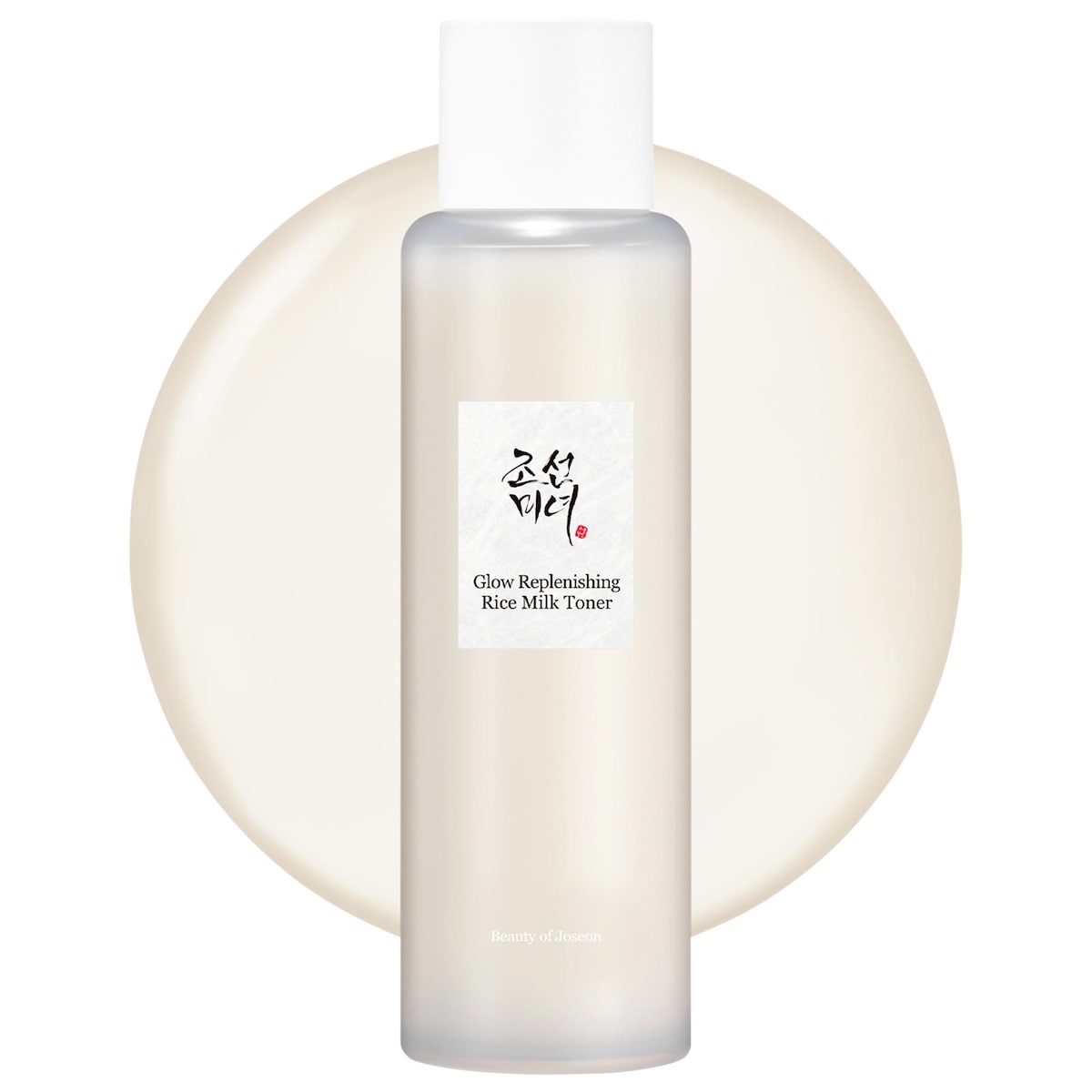
If you have acne-prone skin, most glass-skin advice sounds like it was written for someone else.
You are told to layer more, glow more, and chase that smooth reflective finish with seven hydrating steps and a face that apparently never breaks out. But acne-prone skin usually has a more annoying reality: too much layering can clog you up, harsh acne products can leave you red and dehydrated, and the moment your skin starts to calm down, post-breakout marks make the whole thing feel unfinished anyway.
That is the real question behind this topic.
People are not just asking what glass skin means. They are asking whether they can get closer to that clear, smooth, hydrated look without making breakouts, irritation, or shiny congestion worse.
To shape this guide, I reviewed published guides on April 18, 2026, including Healthline's complete guide to getting glass skin, Vogue's how to get glass skin according to K-beauty experts, Dermstore's what glass skin is and how to get it, Byrdie's dermatologist-backed glass skin routine, and Glass Skin Studio's glass skin routine for every skin type.
Those pages get a lot right:
- They consistently point back to gentle cleansing, hydration, sunscreen, and barrier support.
- They correctly warn that over-exfoliation and over-cleansing can backfire.
- They reinforce that glass skin is really about healthy-looking skin, not one magic serum.
What they still tend to miss is the acne-prone bottleneck:
- They usually do not spend enough time on how to get glow without creating more congestion.
- They often recommend layering that makes sense for dry skin but not always for breakout-prone or combination skin.
- They do not clearly separate the difference between healthy reflection and irritated shine.
- They rarely explain how to handle the three-part acne-prone problem at the same time:
breakouts, dehydration, and post-breakout marks.
So this article takes a narrower and more useful approach.
It is a 6-step Sephora routine for acne-prone skin built around a barrier-first strategy:
- keep cleansing gentle
- keep hydration light
- keep oil balance in the routine
- keep sunscreen non-negotiable
- keep stronger acne steps strategic instead of constant
That approach also lines up with current dermatologist guidance. The American Academy of Dermatology still recommends a gentle cleanser, warns that scrubbing and overly harsh products can worsen oily or acne-prone skin, and notes that even acne-prone skin may need a daily moisturizer, especially if you use drying acne treatments. See AAD's How to control oily skin, AAD's Moisturizer: Why you may need it if you have acne, and Mayo Clinic's acne treatment guidance.
Quick answer
If you want the short version first:
- Use a gentle cleanser every day so your skin stays calm enough to glow.
- Add one hydration-first serum so acne care does not leave your face flat or tight.
- Use one balancing serum if oil, visible pores, or post-breakout unevenness are part of the problem.
- Choose a lightweight moisturizer even if your face already gets shiny.
- Wear broad-spectrum SPF every morning.
- Use a salicylic-acid cleanser only on breakout-heavy nights, not as punishment twice a day forever.
If your skin currently feels hot, flaky, stingy, or suddenly reactive, stop chasing glass skin for a minute and read skin barrier repair routine: what to do when everything suddenly stings. A damaged barrier can make acne-prone skin look shinier, rougher, and more breakout-prone all at once.
What this guide focuses on
The same five patterns kept repeating across published guides and product pages:
- Most explain glass skin well, but they do not explain routine architecture for acne-prone skin well enough.
- Many tell readers to hydrate more without clarifying that acne-prone skin usually needs lighter hydration, not necessarily more layers.
- They often blur together dry-skin glow advice and acne-prone glow advice, even though the product decisions are different.
- Product recommendations are usually broad and inspirational, not narrow enough to answer: what should I actually buy first?
- Very few say the most useful thing plainly enough: acne-prone skin can get closer to glass skin, but the path is calmer and simpler than the internet usually makes it sound.
That is the strategy here.
This routine is built to solve the real acne-prone pain points:
- skin that is oily on top but dehydrated underneath
- breakouts that get worse when the routine gets too crowded
- post-breakout marks that make skin look less even even after pimples calm down
- harsh cleansing that makes everything feel clean for ten minutes and worse by afternoon
- moisturizers that look good in theory but never stay in the routine
Quick comparison table
| Image | Step | Product | Best for | Why it earns a place |
|---|---|---|---|---|
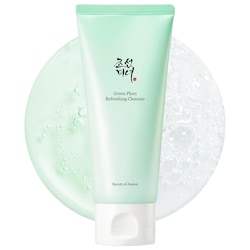 | Cleanse | Beauty of Joseon Green Plum Refreshing Cleanser for Gentle Daily Wash | Acne-prone skin that still gets tight from harsh cleansing | A gentler daily reset that keeps the routine clean without starting a dryness spiral |
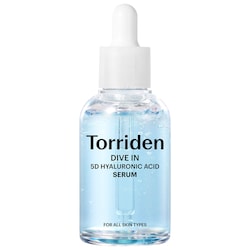 | Hydrate | Torriden DIVE IN 5D Hyaluronic Acid Ultra Hydrating Serum for Plump & Glow Skin | Dehydrated acne-prone skin, rough texture, tightness | The cleanest hydration-first step in the group |
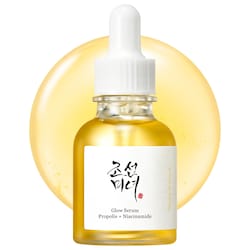 | Balance | Beauty of Joseon Glow Serum for Oil Control with Niacinamide | Oilier zones, visible pores, post-breakout unevenness | Helps the skin look smoother instead of just shinier |
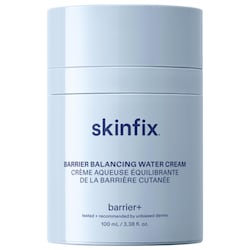 | Moisturize | Skinfix Barrier Balancing Water Cream Moisturizer with Hyaluronic Acid | Acne-prone skin that still needs barrier support | The light moisturizer most likely to stay in the routine |
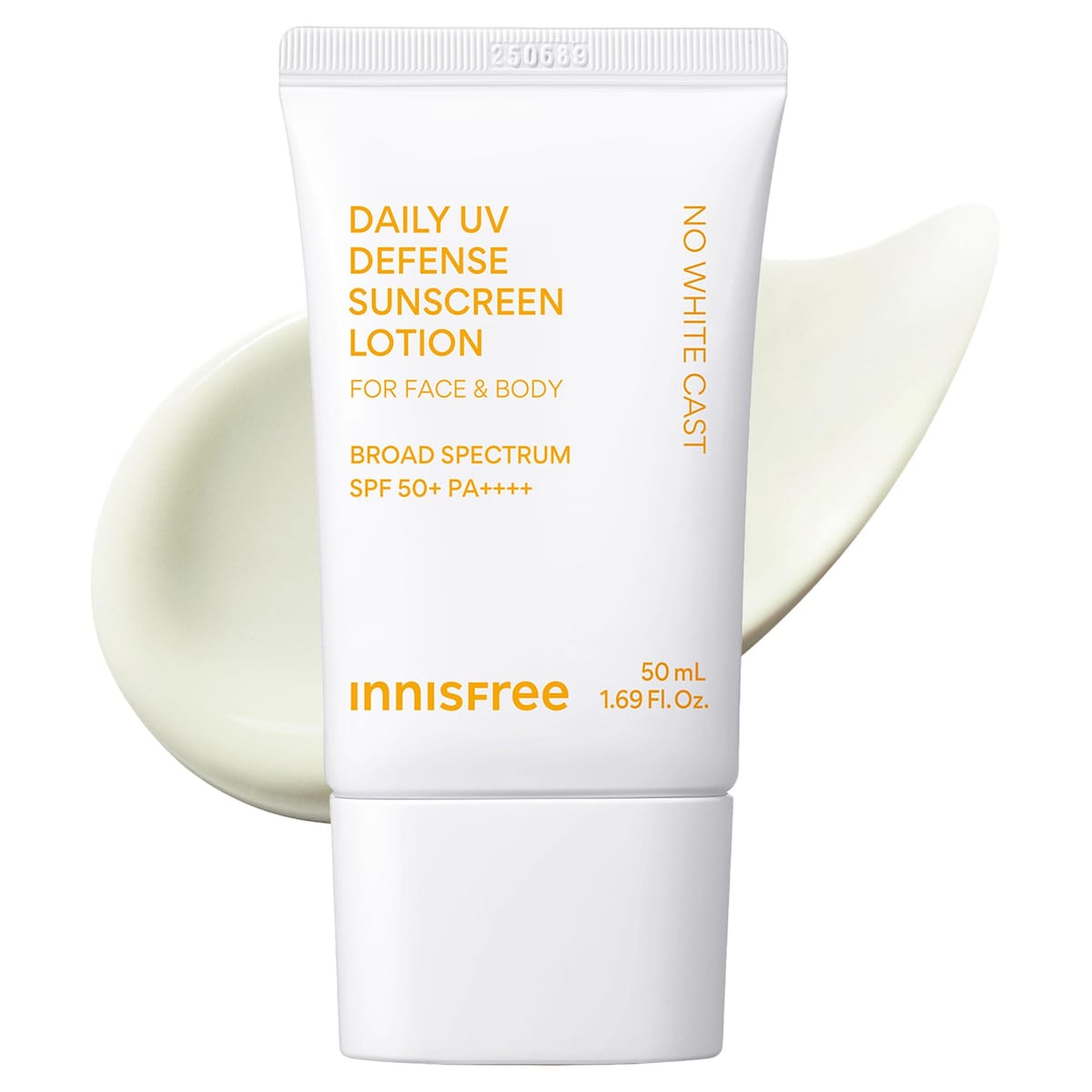
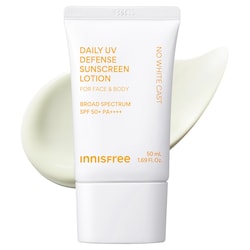 | Protect | innisfree Daily UV Defense Invisible Korean Sunscreen Lotion Broad Spectrum SPF 50+ PA++++ | Daily wear, post-breakout marks, under-makeup use | The daily step that keeps tone and texture from sliding backward |
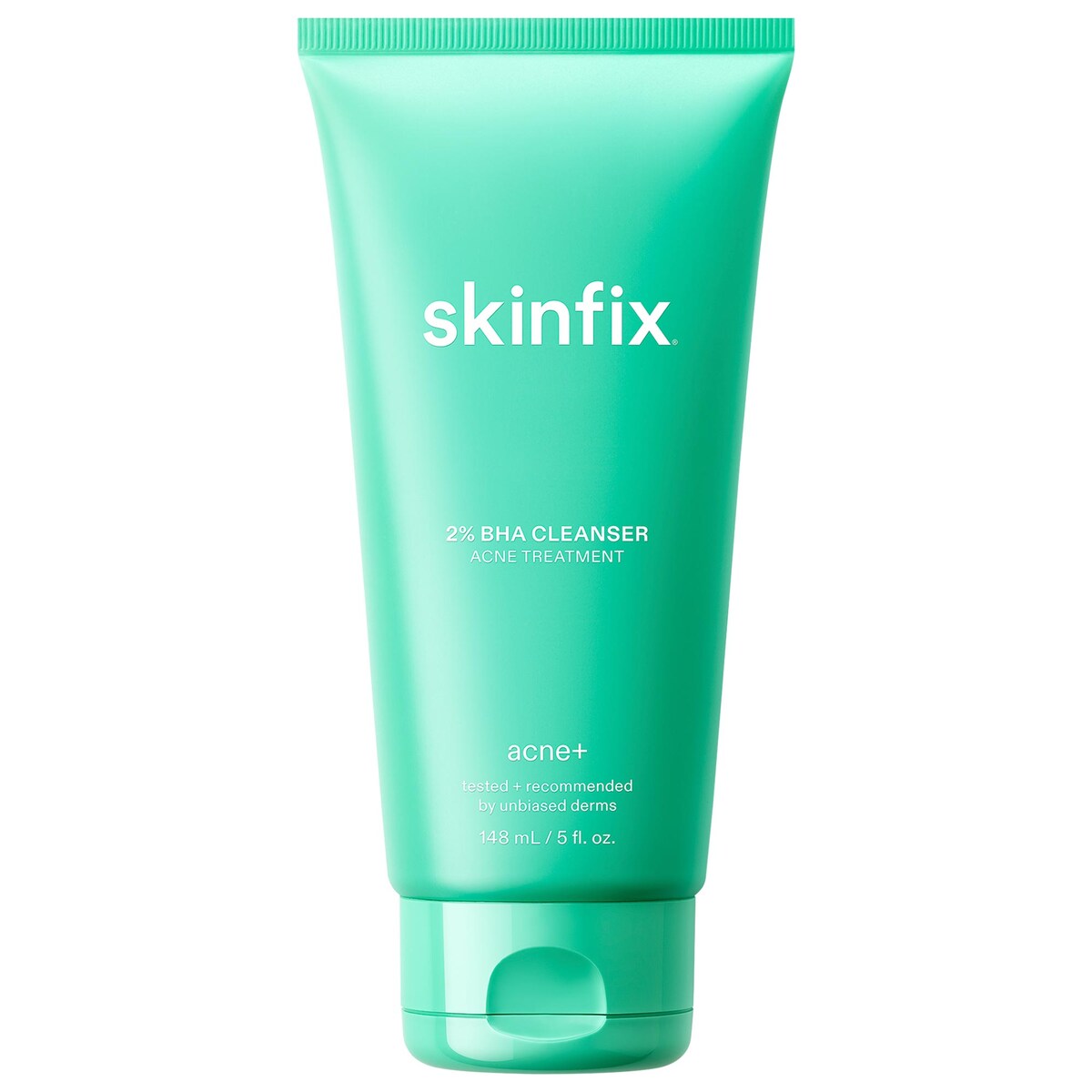
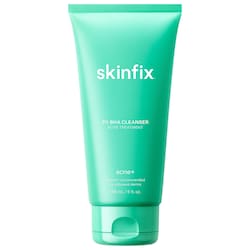 | Breakout-week swap | Skinfix Acne+ 2% BHA + Azelaic Acid + Niacinamide + AHA Cleanser | Clogged pores, rough breakout weeks, adult-acne texture issues | A smarter few-nights-a-week treatment lane than making the whole routine harsher |
How this lineup was picked
This is not a random “best six” shelf.
I narrowed the routine around the friction points that kept showing up across published guidance and across acne-prone routines that fall apart fast:
- cleansers that feel satisfying but too stripping
- moisturizers people technically own but quietly avoid
- serums that try to do five jobs at once
- glass-skin routines that become sticky, crowded, or clog-prone
- acne care that handles breakouts but leaves the skin too irritated to ever look smooth
So every product here has one narrow job:
- the cleanser keeps the routine calm
- the hydrating serum gives the skin water support
- the niacinamide serum helps with balance and visible unevenness
- the moisturizer keeps the barrier supported without heaviness
- the SPF protects brightness and helps post-breakout marks look less stubborn over time
- the treatment cleanser stays in the breakout-night lane, not the every-single-wash lane
What “glass skin” should mean if your skin is acne-prone
For acne-prone skin, glass skin should not mean looking wet, over-exfoliated, or unrealistically poreless.
It should mean:
- smoother-looking texture
- more even reflection across the face
- fewer rough or inflamed patches
- hydrated skin that still feels light
- post-breakout tone that looks calmer over time
That difference matters because acne-prone skin gets misunderstood a lot.
If your forehead is shiny but your face still feels tight, the solution is not always “less moisture.” It is often less stripping and better product architecture.
If your skin is breaking out and you keep removing products, skipping moisturizer, and washing harder, you may accidentally end up with more irritation, more oil production, and a face that looks less smooth even though you are “doing more.”
That is why acne-prone glass skin is usually built from restraint, not intensity.
1. Start with a cleanser that keeps the routine calm
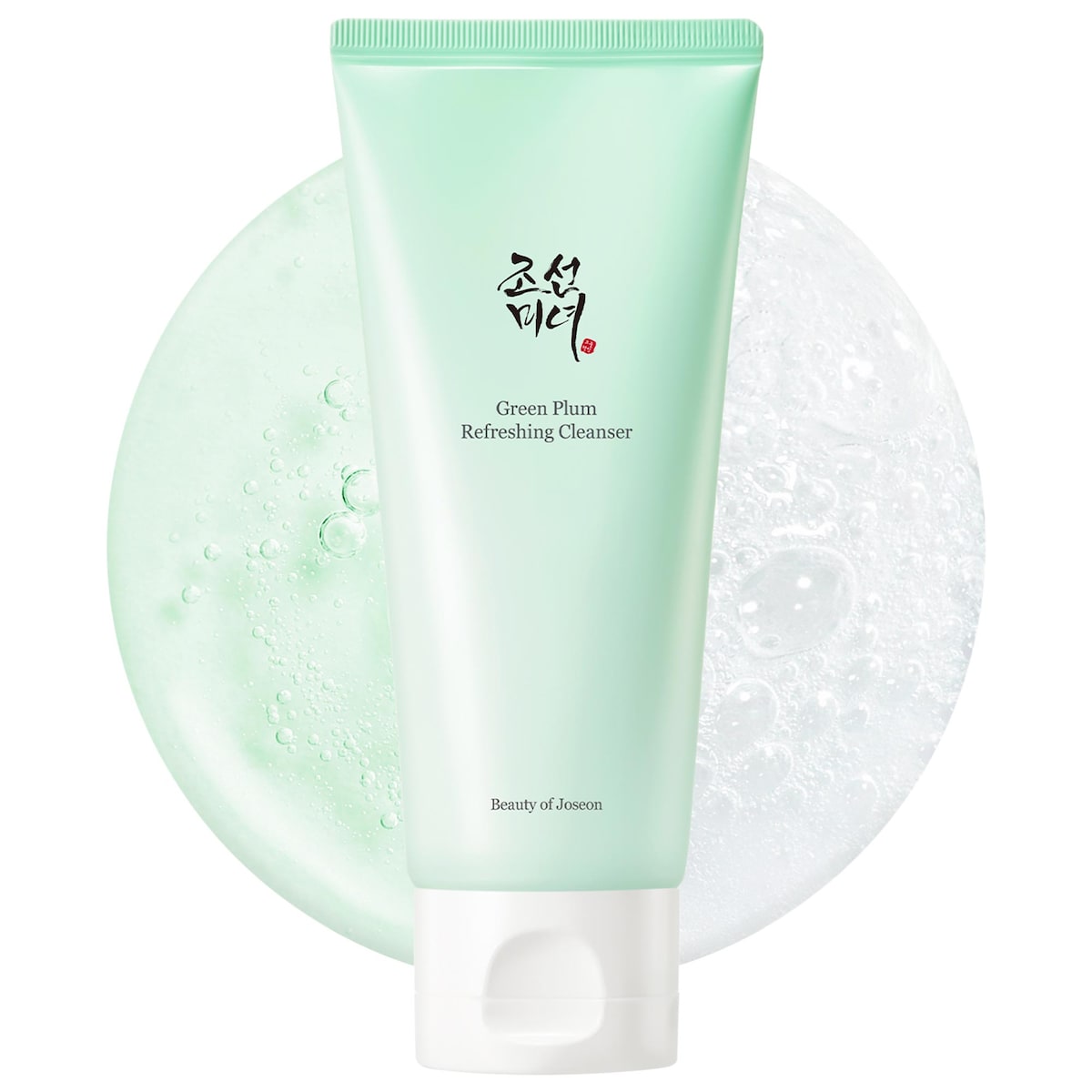
If your cleanser makes your skin feel squeaky, your glass-skin routine is already working uphill.
That is especially true for acne-prone skin. Harsh cleansing can feel productive for a few minutes, but then the face often swings into tightness, rebound shine, or that weird combination of oily forehead plus irritated dry patches.
Beauty of Joseon Green Plum Refreshing Cleanser earns this slot because it handles the most important daily job cleanly: remove sweat, oil, sunscreen, and leftover residue without making the next four steps compensate for a rough start.
This is the right cleanser lane if:
- your skin breaks out but still feels stripped after washing
- you wear sunscreen daily and need a reliable everyday cleanse
- you want a routine that feels fresh without becoming aggressive
- you are trying to stay consistent instead of treating cleansing like a punishment step
If cleanser is where your routine keeps going wrong, best gentle cleansers at Sephora for acne-prone skin (2026) is the best next comparison to read.
2. Use one hydrating serum so your glow does not depend on oil alone
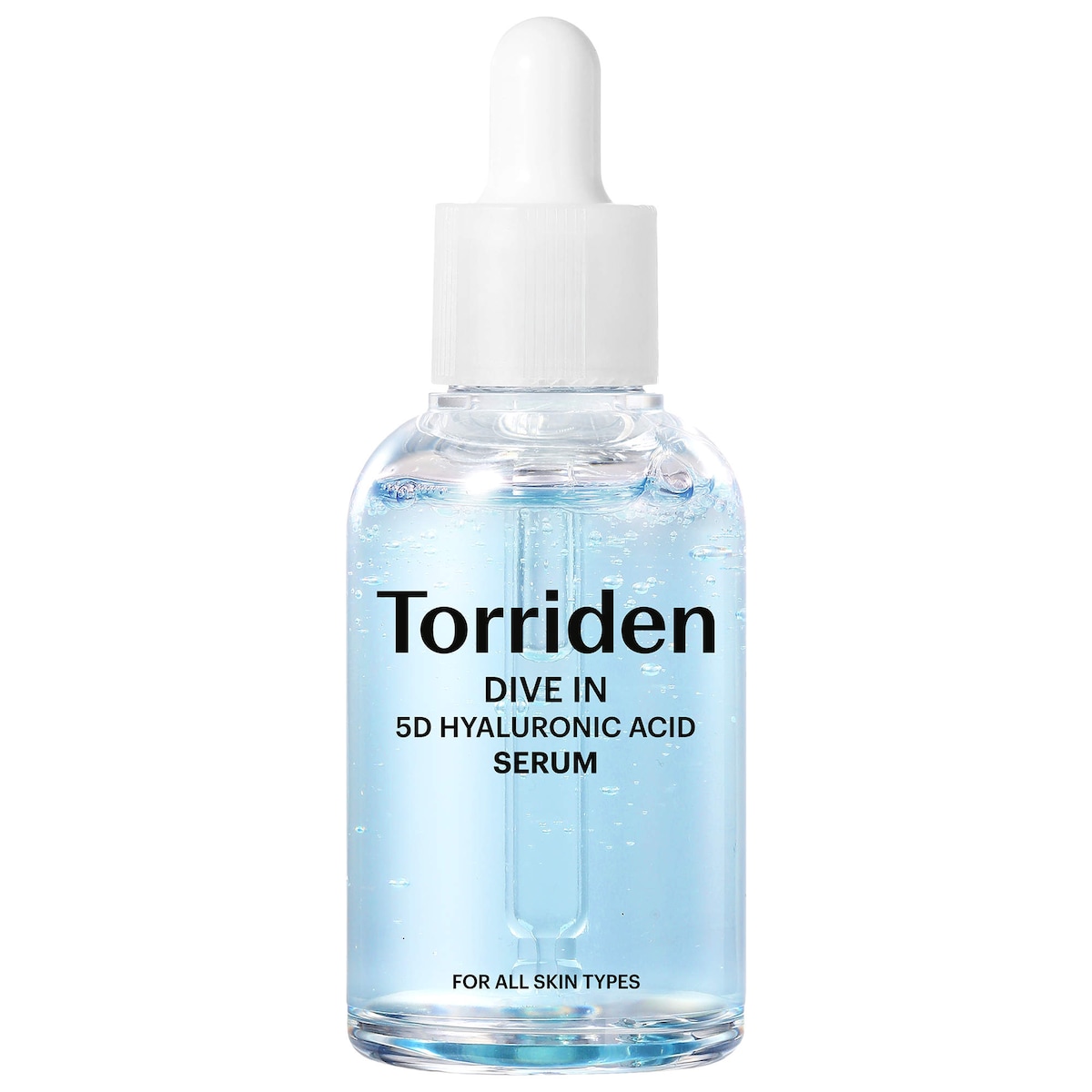
This is the step acne-prone skin often skips too early.
That is usually a mistake.
Many people with acne-prone skin are oily, but they are also dehydrated. They use drying spot treatments, exfoliating cleansers, or retinoids, then try to solve the resulting tightness by adding random glow products that never really fix the underlying problem.
Torriden DIVE IN 5D Hyaluronic Acid Ultra Hydrating Serum is the cleanest answer here because it gives the routine one clear hydration owner. It helps the skin look plumper and smoother without forcing three watery steps into the lineup.
Use this step when:
- your skin looks oily but still feels tight
- your texture looks rougher by the end of the day
- breakouts heal but leave the surface looking dull
- you want a lightweight way to support bounce and smoother reflection
This is also where a lot of guides overcomplicate things. Acne-prone skin usually does better with one solid hydrating serum than with an essence, two serums, and a heavy sleeping mask.
If you are torn between hydration support and oil-balancing support, niacinamide vs hyaluronic acid for glass skin is the cleanest side-by-side.
3. Add one balancing serum if oil, pores, or post-breakout tone are part of the problem
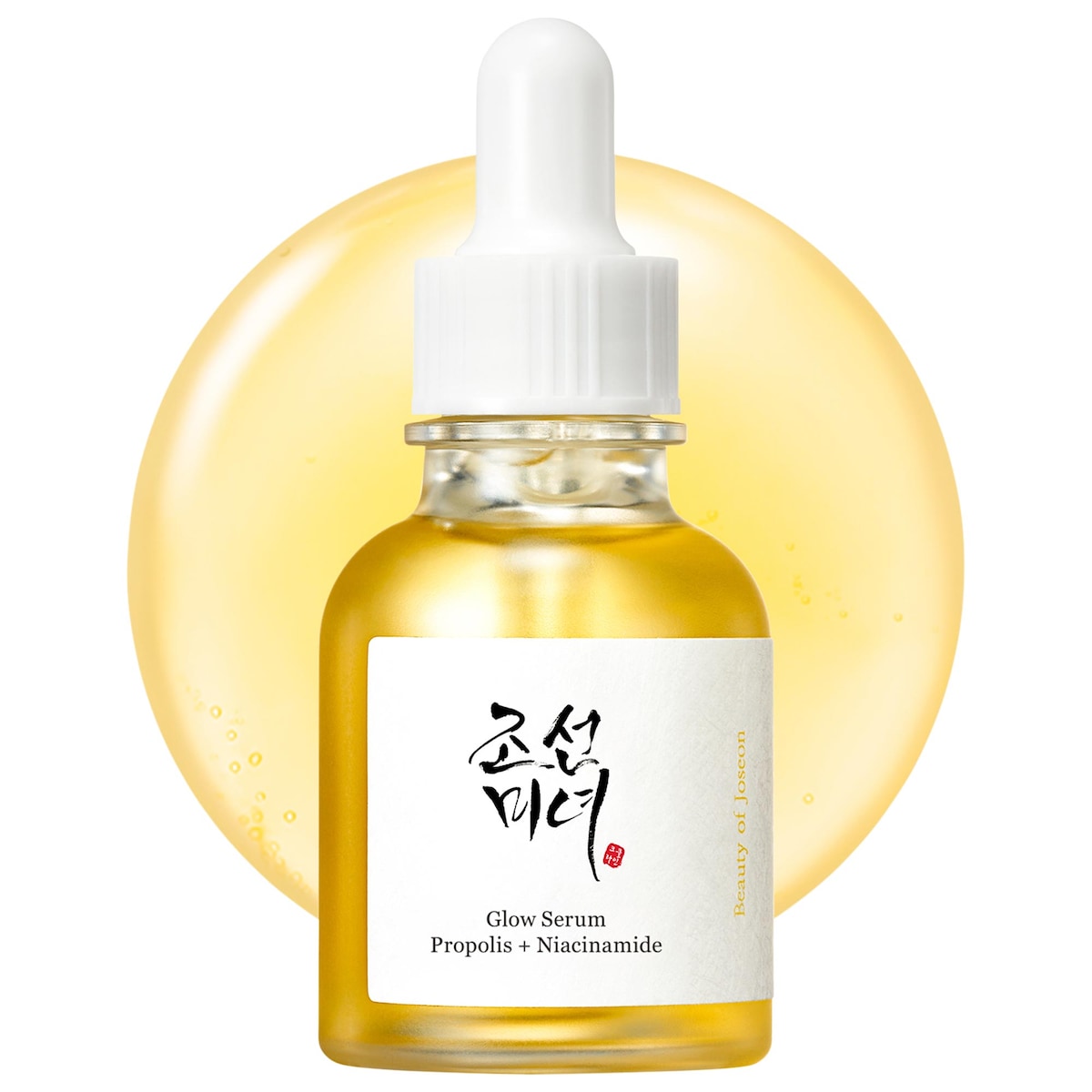
This is the step that separates acne-prone glass skin from generic glass skin.
Dry-skin routines can often lean harder on hydration and richer moisture. Acne-prone routines usually need one extra decision:
do you also need help with oil balance, visible pores, and uneven post-breakout tone?
If the answer is yes, Beauty of Joseon Glow Serum for Oil Control with Niacinamide makes a lot of sense.
It is a good fit if:
- your T-zone gets shiny faster than the rest of your face
- breakouts leave lingering unevenness
- your skin looks reflective in some areas and congested in others
- you want a gentler support step before jumping into a stronger acid stack
This is also one of the biggest holes in a lot of published advice. Many pages talk about hydration, but not enough talk about balance. Acne-prone skin does not just need water. It often needs a routine that looks more even and less visually congested.
If post-breakout marks are the bigger problem now, best dark spot serums at Sephora for post-acne marks is the more specific next read.
4. Moisturize with something light enough to keep using
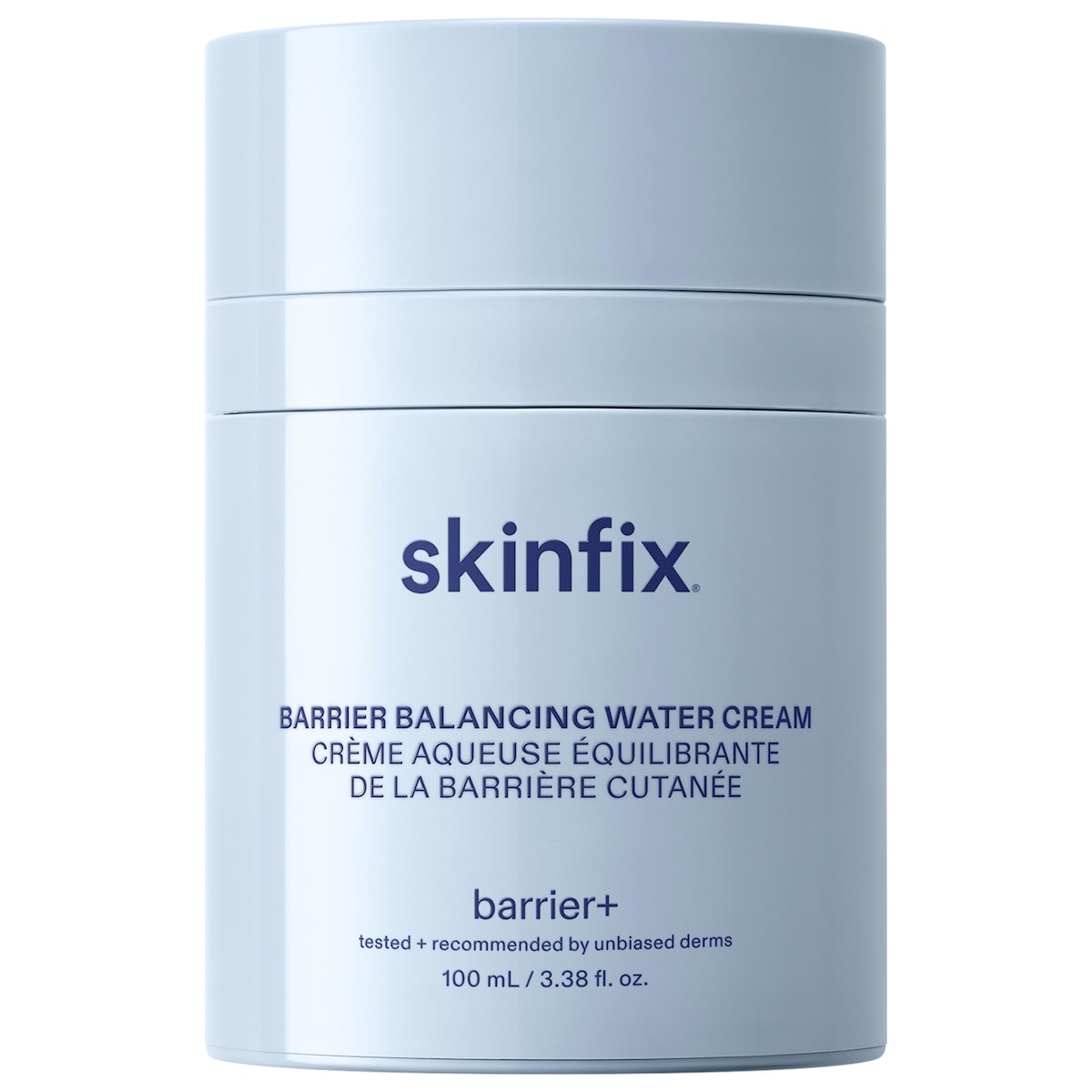
One of the most common acne-prone mistakes is buying a moisturizer that is “good” but never actually gets used.
It pills. It feels heavy. It makes the skin feel greasy by noon. So people stop applying it, then wonder why their routine feels more reactive, tighter, and harder to keep.
That is why Skinfix Barrier Balancing Water Cream earns this slot.
It gives acne-prone skin what it usually needs most:
- a lighter texture
- enough moisture support to keep the barrier from getting angry
- a finish that behaves under sunscreen
- less risk of making the routine feel overly rich
AAD guidance is useful here because it pushes back on one of the biggest myths in acne care: the idea that oily or acne-prone skin should skip moisturizer. In practice, acne routines often work better when the skin is not constantly trying to recover from dryness.
If moisturizer has always been your sticking point, best barrier repair moisturizers at Sephora is the best follow-up.
5. Wear sunscreen every morning even if you are already breakout-prone
Most credible guides eventually land here, and they should.
If your goal is clearer-looking, smoother, brighter skin, sunscreen is not optional. It matters for daily UV protection, but it also matters because acne-prone routines often include ingredients that can make skin more sensitive or more likely to look irritated and uneven when you skip SPF.
innisfree Daily UV Defense Invisible Korean Sunscreen Lotion SPF 50+ PA++++ fits this routine for the same reason the other steps do: it feels realistic enough to keep using.
This is the right sunscreen lane if you want:
- broad-spectrum protection
- a finish that works in normal life
- better consistency with a morning routine
- more help keeping post-breakout marks from lingering visually
If sunscreen is the step that keeps falling apart, the problem is usually one of these:
- Too many layers underneath.
- A moisturizer that is already too heavy.
- A sunscreen texture that never matched your skin in the first place.
That is another reason this routine stays lean.
6. Keep stronger acne care in the breakout-week lane
This is the part a lot of glass-skin guides leave too vague.
Yes, acne-prone skin may need salicylic acid. Yes, clogged pores and rough texture can get in the way of the smooth, even finish people want from glass skin. But the answer is usually not turning every cleanse into a treatment cleanse twice a day forever.
That is why Skinfix Acne+ 2% BHA + Azelaic Acid + Niacinamide + AHA Cleanser works best here as a breakout-week swap, not the universal default.
Use it a few nights a week when:
- pores feel more clogged than usual
- your chin or jaw is in an active breakout stretch
- texture is noticeably rougher
- your skin tolerates salicylic acid reasonably well
Back off when:
- your face starts feeling tight, itchy, or stingy
- you are already using other strong actives
- your skin barrier feels overworked
If that is the step you are actively shopping, best salicylic acid cleansers at Sephora for acne-prone skin (April 2026) is the deeper comparison.
Morning order vs night order
If you want the cleanest setup, start here.
Morning
- Cleanser if needed
- Torriden DIVE IN serum
- Beauty of Joseon Glow Serum if needed
- Skinfix Water Cream
- innisfree sunscreen
Night
- Gentle cleanser
- Torriden DIVE IN serum
- Beauty of Joseon Glow Serum if needed
- Skinfix Water Cream
Breakout-week night swap
- Skinfix Acne+ cleanser instead of your usual cleanser
- Torriden DIVE IN serum
- Moisturizer
That is enough for most people.
You do not need a 10-step acne-prone glass-skin routine. In fact, many people get better results when the routine gets smaller and more repeatable.
The biggest mistakes people make when chasing glass skin with acne-prone skin
1. Treating every breakout with more layers
More steps can mean more friction, more pilling, and more chances to irritate the skin.
2. Using strong acne care as the whole routine
Acne care can help, but if every step is exfoliating, drying, clarifying, and correcting, the skin often stops looking healthy.
3. Skipping moisturizer because the skin is already shiny
Shine and hydration are not the same thing. Acne-prone skin can absolutely be oily and under-hydrated at the same time.
4. Confusing “glow” with “slick”
Glass skin is not supposed to look greasy, sticky, or overcoated.
5. Expecting the routine to erase active acne overnight
The more realistic goal is smoother-looking texture, calmer skin, and better reflection over time. If acne is moderate to severe or leaving scars, a dermatologist is still the right escalation path.
Bottom line
The best glass skin routine for acne-prone skin in April 2026 is not the most layered or the most aggressive. It is the one that keeps your skin calm enough to look smoother, brighter, and more even without triggering more congestion.
For most people, that means:
- a gentle daily cleanser
- one hydrating serum
- one balancing serum if needed
- a lightweight moisturizer
- daily SPF
- a salicylic-acid cleanser used strategically instead of compulsively
That is the version of glass skin acne-prone skin can actually keep.
FAQ
Can acne-prone skin really get glass skin?
Yes, but it helps to define the goal realistically. For acne-prone skin, glass skin usually means calmer, smoother, more hydrated, and more even-looking skin, not perfectly poreless skin.
Should acne-prone skin use a salicylic acid cleanser every day?
Not always. Some people can tolerate it, but many do better using it a few nights a week and relying on a gentler cleanser the rest of the time.
Do I need moisturizer if my skin is oily and acne-prone?
Usually yes. Acne treatments and over-cleansing can dry the skin out, and that irritation can make routines harder to tolerate. A lightweight moisturizer is often the better move than skipping it.
What matters more for glass skin with acne: hydration or treatment?
Both matter, but hydration and barrier support are often the missing pieces. If treatment is too aggressive and hydration is too weak, the skin usually looks less smooth, not more.
What if my acne is painful, cystic, or leaving scars?
That is the point where a dermatologist is a better next step than another over-the-counter routine tweak. A good skincare routine can support the skin, but it does not replace medical acne treatment when the acne is persistent or severe.