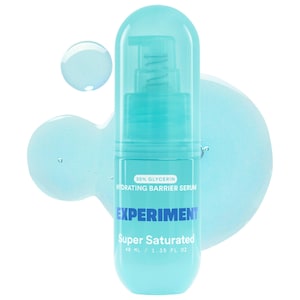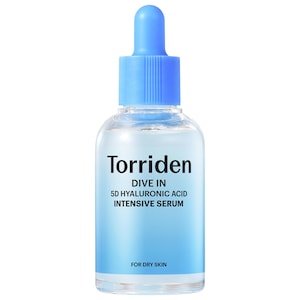
Experiment Super Saturated Hydrating Barrier Serum with 30% Glycerin + Polyglutamic Acid and Torriden DIVE IN 5D Hyaluronic Acid Intensive Layering Serum with Panthenol 5% look like they belong in the same hydrating-serum drawer, but I would not use them for the same job. One is a sticky, glycerin-heavy comfort serum that feels like it wants to sit between angry skin and the rest of the world. The other is a watery hyaluronic acid layering serum that makes more sense when I want a light cushion of hydration without changing the whole personality of my routine.
The short version: I would pick Experiment when my skin feels tight, over-cleansed, wind-chapped, or generally annoyed. I would pick Torriden when my routine is already calm and I just want a thin, repeatable hydration layer that plays nicely under sunscreen, moisturizer, and makeup. Both can make dehydrated skin look better, but they get there through different textures and different routine behavior.
Fast Answer
Choose Experiment Super Saturated if you want a serum that feels more like barrier comfort than a classic water serum. The 30% glycerin callout matters because glycerin is not just a nice supporting humectant here. It is the point of the formula. Paired with polyglutamic acid, niacinamide, squalane, allantoin, and soothing plant extracts in the Sephora data, it reads like a plush hydration step for skin that needs deep comfort and a little patience.
Choose Torriden DIVE IN 5D Intensive Layering Serum if you want the lighter, more flexible option. Its name centers multiple forms of hyaluronic acid and 5% panthenol, which points toward water-binding, softening, and easy layering. I would reach for it when my skin is dehydrated but not necessarily disrupted.
Product Snapshot
| Product | Image | Local page | Sephora data used | Best fit |
|---|---|---|---|---|
| Experiment Super Saturated Hydrating Barrier Serum with 30% Glycerin + Polyglutamic Acid | !Experiment Super Saturated Hydrating Barrier Serum | View product | Product ID P518192, SKU 2897221 | Sticky barrier comfort, tight skin, richer serum feel |
| Torriden DIVE IN 5D Hyaluronic Acid Intensive Layering Serum with Panthenol 5% | !Torriden DIVE IN 5D Hyaluronic Acid Intensive Layering Serum | View product | Product ID P520792, SKU 2947190 | Watery hydration, light layering, morning-friendly routines |
The Real Difference Is Not Just Glycerin vs Hyaluronic Acid
It is tempting to make this comparison a clean ingredient fight: glycerin versus hyaluronic acid. That is too simple. Both ingredients are humectants, and both can help skin hold onto water. The real difference is the way the formulas ask to be used.
Experiment is built around a very high glycerin claim. When glycerin sits that high in a formula, the serum usually feels more present. It can feel tacky at first, and that tack is not automatically a flaw. For me, that kind of finish can be useful when my skin feels like it cannot keep moisture in. It gives moisturizer something to sit over, and it can make a basic cream feel more satisfying.
Torriden, by contrast, sounds like a classic watery layering serum. The """5D hyaluronic acid""" language points toward multiple forms or weights of HA, and the panthenol 5% callout gives it a barrier-friendly angle without making it feel like a heavy rescue product. I would expect it to disappear more easily into a routine.
Texture: Sticky Deep Comfort vs Watery Slip
Texture is where I would make the decision before anything else. If I am irritated by sticky products, Experiment is the riskier buy. A 30% glycerin serum is not usually the product I expect to vanish in ten seconds. I would apply it to damp skin, use less than I think I need, and give it a minute before moisturizer. When used that way, the stickiness can turn into a soft cushion instead of a problem.
Torriden is the easier choice if I want a serum I can use without thinking. It belongs in the category of watery hydrators that can go after toner or directly after cleansing. If I am layering multiple steps, I want the thinnest serum to do its work without making every later step pill or drag. Torriden has the better odds there.
That does not mean Torriden is always better for daytime. If my skin is dry enough, a watery HA serum can feel nice for twenty minutes and then disappear unless I seal it well. But it is still the one I would test first under sunscreen, especially in a busy morning routine.
Barrier Support: Experiment Is More Obvious
When I think """barrier support,""" I am looking for two things: immediate comfort and reduced routine drama. Experiment has the clearer barrier story. Sephora""'s product data calls out 30% glycerin for fast and lasting hydration while replenishing the barrier, polyglutamic acid for surface hydration, and prickly pear for calming reactive skin. The ingredient description also includes niacinamide, squalane, allantoin, bisabolol, malachite extract, tocopherol, and ginger root extract.
That combination makes sense for skin that feels fragile. Glycerin and diglycerin bring the water-binding cushion. Squalane adds a soft lipid-like feel without turning the product into a cream. Allantoin and bisabolol are the ingredients I notice when a formula is trying to be kind to irritated skin. Niacinamide can be helpful for uneven tone and barrier function, though I would be cautious if my skin is currently reacting to everything.
Torriden has a calmer, lighter barrier-support story. Panthenol is the important ingredient signal because it can make dehydrated skin feel less tight and more comfortable. But the overall pitch is still hydration layering first. I would not expect it to replace a barrier cream or a richer serum when my face is stinging from overuse of actives.
Hydration Style: Humectant Blanket vs Hydration Veil
Experiment feels like the better choice when I want a humectant blanket. I do not mean heavy in an oily way. I mean it sounds like it creates a moist, grippy layer that helps the rest of the routine feel more comforting. That can be useful after a stripping cleanser, during a dry climate week, or when a retinoid routine starts making the skin feel papery.
Torriden feels more like a hydration veil. It is the serum I would use when I want skin to look fresher and plumper but I do not want the product to announce itself. If my moisturizer is already rich, Torriden may be the cleaner partner. If my moisturizer is too light, Experiment may make the full routine feel more complete.
This is why I would not stack both on the same morning unless I had a very specific reason. They overlap enough that using both can become a texture problem. Pick the hydration style you actually need, then let the moisturizer finish the job.
Morning Routine Fit
For morning, Torriden wins for most people. It is easier to imagine under sunscreen, especially if the routine includes vitamin C, moisturizer, SPF, and makeup. A watery serum can make the skin feel fresher without making the rest of the routine slower.
Experiment can still work in the morning, but I would be more selective. I would use it when my sunscreen normally feels drying or when my skin is in that tight, shiny state where it looks hydrated but feels uncomfortable. The trick is using a small amount and applying it to damp skin. Too much glycerin-heavy serum can make sunscreen feel tacky, especially if the sunscreen already has a dewy finish.
If I had to build a simple morning around each product, I would do this:
| Routine slot | Experiment morning | Torriden morning |
|---|---|---|
| Cleanse | Gentle rinse or non-stripping cleanser | Gentle cleanser or rinse |
| Serum | Small amount on damp skin | Thin layer on damp skin |
| Moisturizer | Light cream if needed | Light gel-cream or lotion |
| Sunscreen | Comfortable SPF, ideally not too sticky | Most sunscreens should be easier to pair |
Night Routine Fit
At night, Experiment becomes more interesting. I like richer-feeling hydrating serums at night because I am not trying to put makeup over them, and I care less about a little tack if the payoff is comfort. If I used retinoids, exfoliating acids, or benzoyl peroxide, I would consider Experiment on off nights or recovery nights.
Torriden is still useful at night, but it is less of a """my skin needs help""" product and more of a """keep the hydration steady""" product. It is a good fit if my night routine already includes a proper moisturizer and I just want a watery prep step underneath it.
The important thing is not to treat either serum as a moisturizer replacement. A humectant serum pulls and holds water, but most people still need something over it. Experiment may feel substantial enough to tempt you into skipping cream, but I would still seal it if my skin is dry.
Skin Type Fit
For dry skin, I would start with Experiment if the issue is tightness, flakes, or a damaged-feeling barrier. It sounds better for the person who wants their serum to feel comforting immediately. I would start with Torriden if the skin is dry but easily overwhelmed by sticky textures.
For oily but dehydrated skin, Torriden is the safer first try. Oily skin can still need hydration, but heavy tack can make an oily routine feel congested or messy. Experiment may still be useful as a night-only recovery serum, especially in a small amount.
For combination skin, I would split the face. Torriden can go everywhere. Experiment can go where the skin gets tight, usually cheeks, around the mouth, or anywhere a barrier cream normally helps. You do not need to use a serum uniformly just because the bottle says serum.
For sensitive or reactive skin, Experiment has more soothing signals, but it also has more going on. That matters. A formula with niacinamide, botanical extracts, and a high humectant load can be great for some reactive skin and too much for others. Torriden may be easier to patch test because the routine role is simpler.
Which One Looks Better Under Makeup?
I would give Torriden the first shot under makeup. A watery serum is less likely to interfere with base products, and panthenol can help the skin look smoother without creating a sticky film. If I wanted a plump, hydrated look before concealer or skin tint, Torriden is the cleaner bet.
Experiment can look beautiful under makeup when the skin is genuinely dry, but the dose has to be controlled. Too much can make foundation grip unevenly or feel tacky around the nose and mouth. If I used Experiment under makeup, I would apply it to damp skin, wait, moisturize lightly, wait again, then go in with sunscreen or base. That is not a rushed routine.
Which One Is Better After Actives?
After actives, I would usually reach for Experiment first, especially if the active left my skin feeling tight. Its comfort profile makes more sense on recovery nights. It does not mean it cancels out irritation or fixes over-exfoliation overnight, but it is more aligned with the feeling I want after a stressful routine step.
Torriden is better when the active routine is already stable and I just want hydration support. For example, if I am using a gentle retinoid and my moisturizer handles the barrier piece, Torriden may be enough. If the retinoid is making my cheeks sting, I would want the fuller comfort of Experiment or I would simplify the routine entirely.
How I Would Choose
If I had both in front of me, I would ask one question: does my skin need comfort or does my routine need hydration?
If my skin needs comfort, I choose Experiment. That means tightness after cleansing, dullness from dehydration, flakes around the mouth, or the feeling that every product is sitting badly because the skin underneath is stressed.
If my routine needs hydration, I choose Torriden. That means my skin is basically fine, but I want a water layer that makes moisturizer spread better, keeps makeup from looking flat, or adds a little bounce without changing the finish too much.
That distinction sounds small, but it prevents overbuying. Hydrating serums are easy to collect because they all promise plump skin. The better question is whether the texture and formula actually solve the moment you are in.
Bottom Line
Experiment Super Saturated is the more comforting, barrier-minded serum. It is the one I would buy for sticky deep comfort, dry climate routines, recovery nights, and skin that feels tight even after moisturizer. Torriden DIVE IN 5D Intensive Layering Serum is the lighter, easier layering serum. It is the one I would buy for watery hydration, daily repetition, morning routines, and skin that needs bounce without extra weight.
Neither is the universal winner. Experiment is better when hydration needs to feel substantial. Torriden is better when hydration needs to stay invisible.
FAQ
Can I use Experiment Super Saturated and Torriden DIVE IN 5D together?
You can, but I would not start that way. They overlap as hydrating serums, and stacking them can make the routine feel tacky or unnecessarily wet. If you own both, use Torriden in the morning and Experiment at night.
Which serum is better for a damaged skin barrier?
Experiment is the stronger pick for barrier comfort because its Sephora data centers 30% glycerin, polyglutamic acid, and soothing support ingredients. If your skin is burning or peeling, simplify the whole routine and avoid adding too many new products at once.
Which serum is better for humid weather?
Torriden is usually easier in humid weather because it should feel lighter and more watery. Experiment can still work, but I would use a very small amount and avoid pairing it with an already sticky sunscreen.
Do I need moisturizer after either serum?
Yes, I would use moisturizer after both. Torriden needs a moisturizer to seal in the hydration, and Experiment usually performs better when a cream or lotion sits over the glycerin-rich layer.