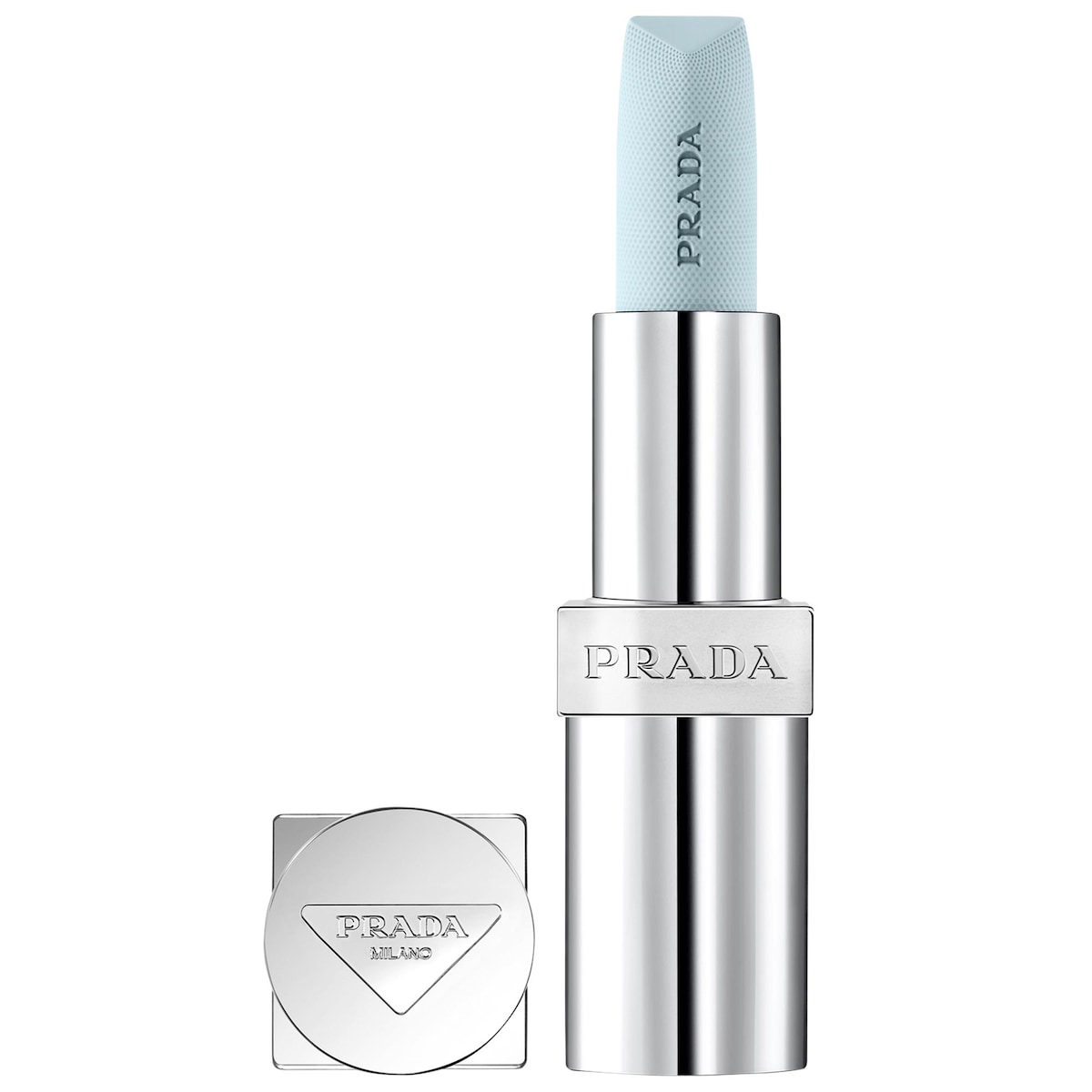
A fatty alcohol that softens and smooths the skin, improving texture and reducing water loss.
Usually helps with
Dryness, smoothing
Watch for
Generally well-tolerated.
Emollient
Diisostearyl Malate
A diester of malic acid and isostearyl alcohol, it provides a smooth feel and helps to condition the skin.
Usually helps with
Softening, conditioning
Watch for
Non-irritating for most.
Emollient
Pentaerythrityl Tetraisostearate
A large molecule ester that provides a smooth, non-greasy feel and helps to spread the product evenly.
Usually helps with
Texture, spreadability
Watch for
Minimal risk of irritation.
Emollient
Bis-Diglyceryl Polyacyladipate-2
A complex ester that offers excellent emollience and helps to create a protective barrier on the skin.
Usually helps with
Moisture retention, barrier support
Watch for
Generally safe and non-comedogenic.
Viscosity Controlling Agent
Polyethylene
A wax that helps to thicken the formula and provide structure, contributing to a smooth application.
Usually helps with
Formula stability, texture
Watch for
Can be a microplastic, though generally considered safe in rinse-off or topical applications.
Emollient
Trimethylsiloxyphenyl Dimethicone
A silicone derivative that provides a smooth, silky feel and helps to lock in moisture.
Usually helps with
Smoothness, hydration
Watch for
Silicones are generally well-tolerated but can feel heavy to some.
Emollient
Hydrogenated Coco-Glycerides
Derived from coconut oil, these help to soften and condition the skin, providing a smooth texture.
Usually helps with
Softening, conditioning
Opacifier
Synthetic Fluorphlogopite
A synthetic mica that can add shimmer or opacity to the product, contributing to its aesthetic.
Usually helps with
Appearance
Emollient
Simmondsia Chinensis Butter / Jojoba Butter
A rich emollient derived from jojoba oil, known for its excellent moisturizing and skin-conditioning properties. It closely resembles natural sebum.
Usually helps with
Deep hydration, softening, barrier support
Watch for
Extremely well-tolerated and beneficial.
Wax
Cera Microcristallina / Microcrystalline Wax / Cire Microcristalline
A type of wax that helps to structure the product and provide a smooth, protective layer on the skin.
Usually helps with
Texture, barrier formation
Colorant
Ci 77891 / Titanium Dioxide
A mineral pigment used to provide color and opacity. It also offers some UV protection.
Usually helps with
Color, opacity
Watch for
Generally safe, but nanoparticle concerns exist for some consumers.
Emollient
C18-36 Acid Triglyceride
A mixture of triglycerides of fatty acids, it acts as an emollient and skin-conditioning agent.
Usually helps with
Softening, smoothing
Opacifier
Magnesium Silicate
A mineral ingredient used to control shine and provide opacity.
Usually helps with
Texture control
Adds a scent or flavor to the product. Can be a source of irritation or allergy for sensitive individuals.
Usually helps with
Sensory experience
Watch for
Potential for irritation or allergic reactions.
Antioxidant
Pentaerythrityl Tetra-Di-T-Butyl Hydroxyhydrocinnamate
A synthetic antioxidant that helps to protect the formula from degradation.
Usually helps with
Product stability
Humectant
Propylene Glycol
A common solvent and humectant that helps to draw moisture to the skin. Can be irritating for some.
Usually helps with
Hydration
Watch for
Potential for skin irritation or allergic reactions in sensitive individuals.
Skin Conditioning Agent
Bifida Ferment Lysate
A probiotic ingredient derived from Bifidobacterium. It's known to help strengthen the skin's barrier function and improve hydration.
Usually helps with
Barrier support, hydration, resilience
Watch for
Generally well-tolerated and beneficial for skin health.
Colorant
Ci 19140 / Yellow 5 Lake
A synthetic yellow dye. Some individuals may be sensitive or allergic to artificial colorants.
Watch for
Potential for allergic reactions in sensitive individuals.
An alpha hydroxy acid (AHA) used to adjust the pH of the formula. Can be exfoliating at higher concentrations.
Usually helps with
pH balance
Watch for
Can cause mild stinging or irritation, especially on sensitive skin.
A mineral compound used to control the color and opacity of the product.
Usually helps with
Appearance
Fragrance Ingredient
Alpha-Isomethyl Ionone
A synthetic fragrance ingredient that can cause allergic reactions in some individuals.
Watch for
Potential allergen.
Colorant
Ci 45380 / Red 21
A synthetic red dye. Potential for allergic reactions in sensitive individuals.
Watch for
Potential for allergic reactions.
Fragrance Ingredient
Terpineol
A naturally occurring terpene alcohol with a floral scent, used as a fragrance component.
Watch for
Can cause skin irritation or allergic reactions.
Fragrance Ingredient
Eugenia Caryophyllus Oil
Also known as clove oil, it has a strong scent and can be a potent skin irritant or sensitizer.
Watch for
High potential for irritation and allergic reactions.
Fragrance Ingredient
Eugenol
A component of clove oil, it has a distinct aroma but is a known allergen and irritant.
Watch for
Known allergen and irritant.
Preservative
Benzyl Alcohol
A preservative and solvent that can also act as a fragrance ingredient. It can cause allergic reactions and irritation.
Usually helps with
Preservation
Watch for
Potential allergen and irritant.
Preservative
Sodium Benzoate
A common preservative that prevents the growth of bacteria and fungi. Can cause irritation in sensitive individuals.
Usually helps with
Preservation
Watch for
Potential for irritation, especially when combined with acidic ingredients.
A component of vinegar, used here to adjust pH. Can be irritating at higher concentrations.
Usually helps with
pH balance
Watch for
Can cause irritation.
An alpha hydroxy acid (AHA) that exfoliates the skin and helps with hydration. Can cause mild stinging.
Usually helps with
Exfoliation, hydration
Watch for
Can cause mild stinging or sensitivity, especially on dry or compromised skin.