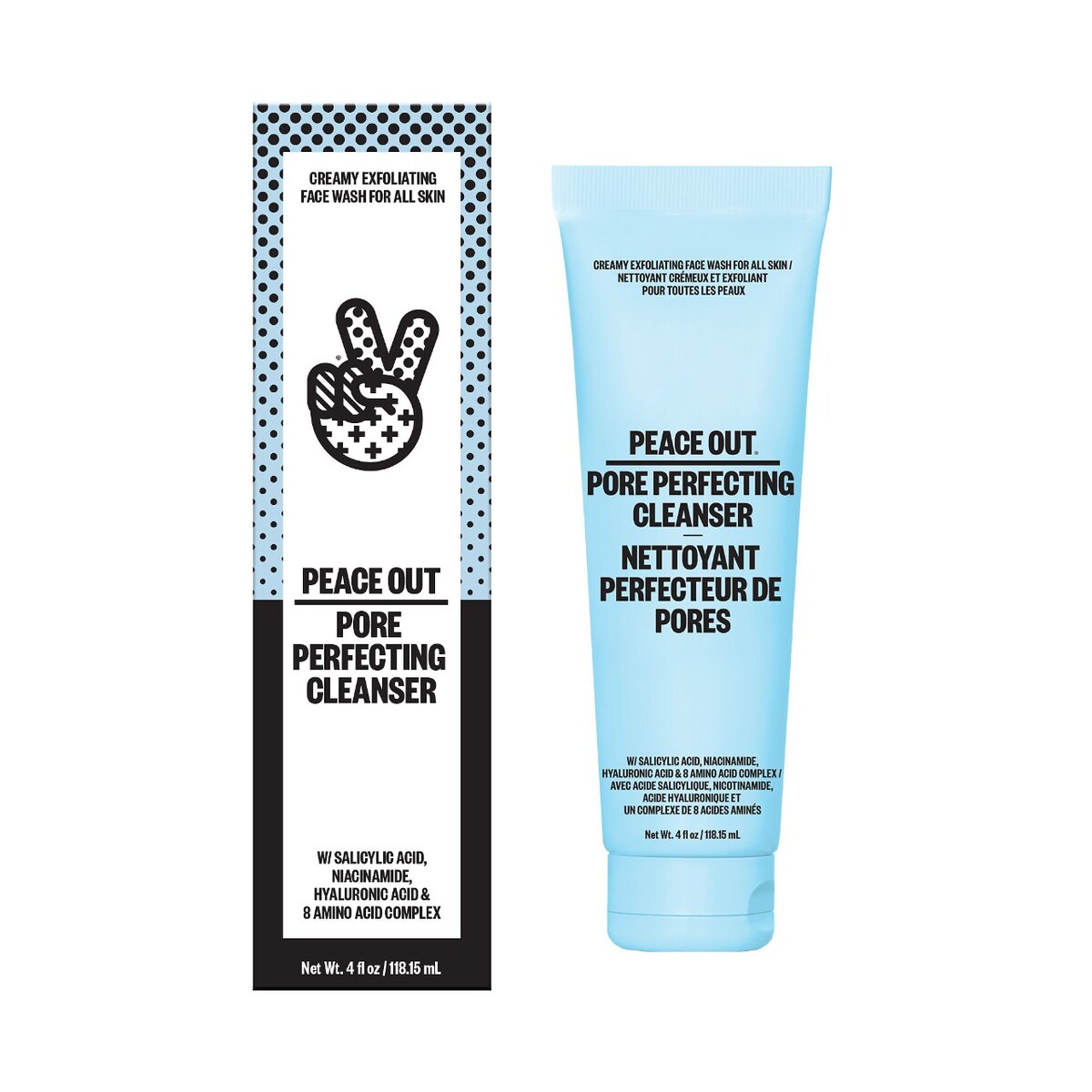
The base of the formulation.
Usually helps with
Hydration
Surfactant
Sodium Cocoyl Isethionate
A gentle, sulfate-free surfactant derived from coconut oil that creates a creamy lather.
Usually helps with
Cleansing
A solvent and humectant that helps to improve product texture and hydration.
Usually helps with
Hydration
Surfactant
Cocamidopropyl Betaine
A mild amphoteric surfactant that helps to create foam and cleanse the skin.
Usually helps with
Cleansing
Watch for
Can be a mild irritant for some.
A fatty acid that can help cleanse and emulsify ingredients.
Usually helps with
Cleansing
Watch for
Can be comedogenic for some.
A moisturizing agent that helps attract and retain water.
Usually helps with
Hydration
A fatty acid that helps to stabilize emulsions and provides emollient properties.
Usually helps with
Emollience
Exfoliant
Cellulose Acetate
A physical exfoliant that helps to slough off dead skin cells.
Usually helps with
Exfoliation
Watch for
Can be too abrasive for sensitive skin.
Emollient
Caprylic/Capric Triglyceride
A skin-conditioning agent derived from coconut oil and glycerin that helps to replenish skin.
Usually helps with
Emollience
Thickener
Ammonium Acryloyldimethyltaurate/VP Copolymer
A synthetic polymer used to thicken formulations.
Usually helps with
Texture
Absorbent
Zea Mays (Corn) Starch
Helps to absorb excess oil and mattify the skin.
Usually helps with
Oil Control
Surfactant
Sodium Lauroyl Methyl Isethionate
A mild anionic surfactant that provides good cleansing and foaming properties.
Usually helps with
Cleansing
A skin-conditioning agent and preservative booster.
Usually helps with
Hydration
Emollient
Glyceryl Caprylate
A skin-conditioning agent and emulsifier with antimicrobial properties.
Usually helps with
Emollience
Surfactant
Sodium Methyl Oleoyl Taurate
A mild anionic surfactant that provides good cleansing and foaming.
Usually helps with
Cleansing
Surfactant
Cocamidopropyl Dimethylamine
A surfactant that helps to create foam and condition the skin.
Usually helps with
Cleansing
A fatty acid derived from coconut oil that contributes to cleansing properties.
Usually helps with
Cleansing
Humectant
Ethylhexylglycerin
A skin-conditioning agent and preservative booster.
Usually helps with
Hydration
A moisturizing ingredient that helps to hydrate and protect the skin.
Usually helps with
Hydration
Helps to minimize the appearance of pores, regulate oil production, and improve skin tone.
Usually helps with
Pores, Oiliness, Uneven Tone
Watch for
Can cause temporary flushing or redness in some individuals.
Emulsifier
Glyceryl Dibehenate
An emulsifier that helps to blend oil and water ingredients.
Usually helps with
Emollience
pH Adjuster
Potassium Hydroxide
Used to adjust the pH of the formulation.
Usually helps with
Formulation Stability
Watch for
Can be irritating at high concentrations.
A BHA that exfoliates the skin, helps to clear pores, and reduce inflammation.
Usually helps with
Pores, Acne, Oiliness
Watch for
Can cause dryness, peeling, or irritation, especially when starting.
A mild, plant-derived surfactant that creates a gentle lather.
Usually helps with
Cleansing
Surfactant
Lauryl Glucoside
A mild, plant-derived surfactant that provides good cleansing and foaming.
Usually helps with
Cleansing
A skin-conditioning agent that provides emollient properties.
Usually helps with
Emollience
Surfactant
Sodium Isethionate
A mild anionic surfactant that provides good cleansing and foaming.
Usually helps with
Cleansing
A component of the skin's natural moisturizing factor, it helps to attract and retain moisture.
Usually helps with
Hydration
Emulsifier
Glyceryl Behenate
An emulsifier that helps to blend oil and water ingredients.
Usually helps with
Emollience
A fatty acid that helps to stabilize emulsions and provides emollient properties.
Usually helps with
Emollience
Preservative
Sodium Benzoate
A common preservative that prevents microbial growth.
Usually helps with
Preservation
Watch for
Can be irritating for some, especially in combination with acidic ingredients.
A fatty acid that has cleansing properties.
Usually helps with
Cleansing
Watch for
Can be comedogenic for some.
An amino acid that helps to hydrate and condition the skin.
Usually helps with
Hydration
An amino acid that helps to hydrate and condition the skin.
Usually helps with
Hydration
An amino acid that helps to hydrate and condition the skin.
Usually helps with
Hydration
Humectant
Sodium Hyaluronate
The salt form of hyaluronic acid, it attracts and holds moisture in the skin.
Usually helps with
Hydration
An amino acid that helps to hydrate and condition the skin.
Usually helps with
Hydration
An amino acid that helps to hydrate and condition the skin.
Usually helps with
Hydration
An amino acid that helps to hydrate and condition the skin.
Usually helps with
Hydration
An amino acid that helps to hydrate and condition the skin.
Usually helps with
Hydration
An amino acid that helps to hydrate and condition the skin.
Usually helps with
Hydration
Can be used as a solvent or to enhance penetration, but can be drying and irritating for some skin types.
Usually helps with
Solvency
Watch for
Drying and potentially irritating.
Used to adjust the pH of the formulation and can have mild exfoliating properties.
Usually helps with
pH Adjustment
Watch for
Can be irritating at higher concentrations.
Thickener
Sodium Carboxymethyl Starch
A modified starch used as a thickening agent.
Usually helps with
Texture
Viscosity Adjuster
Sodium Chloride
Used to adjust the viscosity of the formulation.
Usually helps with
Texture
pH Adjuster
Sodium Citrate
A salt of citric acid used to adjust and buffer the pH of the formulation.
Usually helps with
pH Adjustment
Formula support
Sodium Lactate
Included in the source ingredient list. Glass treats this as part of the supporting formula unless it overlaps with a known active, preservative, or fragrance flag.
Usually helps with
Formula completeness and routine context
Watch for
Personal sensitivity, especially if your skin is reactive or the ingredient overlaps with other products in your routine