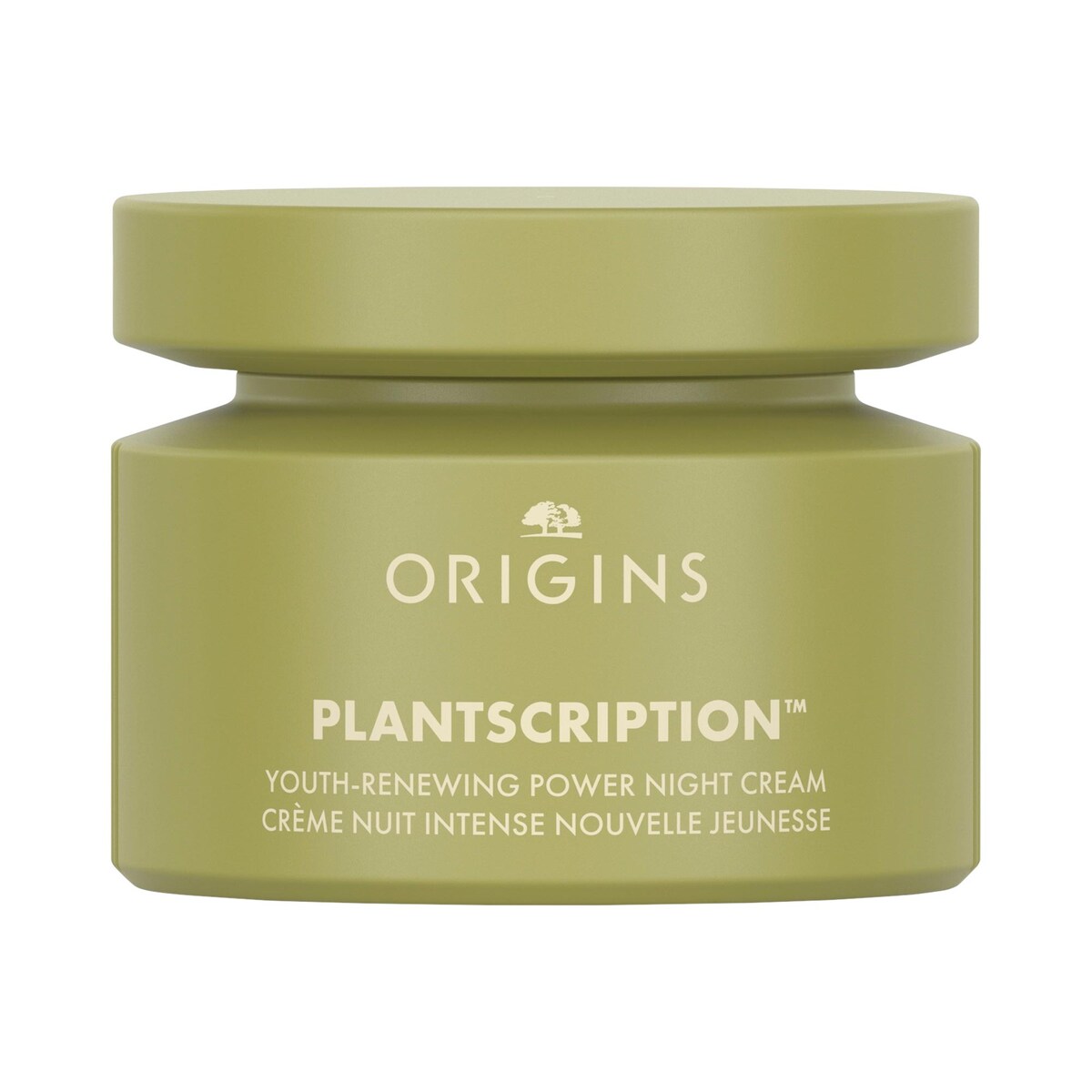
The base for most skincare formulations.
Usually helps with
Hydration
Emollient
Caprylic/Capric Triglyceride
A skin-conditioning agent derived from coconut oil and glycerin. It helps to replenish the skin's surface.
Usually helps with
Dryness
Emollient
Myristyl Myristate
A fatty acid ester that softens and smooths the skin.
Usually helps with
Softening skin
Emollient
Isodecyl Isononanoate
A synthetic emollient that provides a smooth, non-greasy feel.
Usually helps with
Smoothness
Emollient
Triethylhexanoin
A synthetic emollient that softens and conditions the skin.
Usually helps with
Softening skin
A common humectant that draws moisture to the skin.
Usually helps with
Hydration
Watch for
Can be a mild irritant for some
A fatty acid that helps to stabilize emulsions and condition the skin.
Usually helps with
Emulsion stability
Emulsifier
Peg-100 Stearate
A polyethylene glycol derivative used as an emulsifier. Concerns exist regarding its potential for skin irritation and contamination.
Usually helps with
Emulsion stability
Watch for
Potential for irritation or contamination
A fatty alcohol that softens and smooths the skin.
Usually helps with
Softening skin
A fatty alcohol that conditions and softens the skin.
Usually helps with
Conditioning skin
Emollient
Hydrogenated Coco-Glycerides
Emollients derived from coconut oil that help to soften and smooth the skin.
Usually helps with
Softening skin
Emollient
Cetearyl Alcohol
A fatty alcohol that conditions and softens the skin.
Usually helps with
Conditioning skin
A powerful humectant that draws moisture into the skin.
Usually helps with
Hydration
Active
Anogeissus Leiocarpus Bark Extract
Supports skin's natural production of fibrillin, which is crucial for firmness and elasticity.
Usually helps with
Firmness, elasticity
Active
Peucedanum Graveolens (Dill) Extract
Works with Anogeissus to help maintain skin's youthful appearance.
Usually helps with
Youthful appearance
Antioxidant
Cassia Alata Leaf Extract
A plant extract known for its antioxidant properties, helping to protect skin from environmental stressors.
Usually helps with
Antioxidant protection
Fragrance
Rosa Damascena Flower Oil*
A natural fragrance ingredient derived from rose petals. Can be a potential irritant for sensitive skin.
Usually helps with
Fragrance
Watch for
Potential for irritation
Fragrance
Lavandula Angustifolia (Lavender) Oil*
A natural fragrance ingredient derived from lavender. Can be a potential irritant for sensitive skin.
Usually helps with
Fragrance
Watch for
Potential for irritation
Fragrance
Pelargonium Graveolens Flower Oil*
A natural fragrance ingredient derived from geranium flowers. Can be a potential irritant for sensitive skin.
Usually helps with
Fragrance
Watch for
Potential for irritation
Fragrance
Illicium Verum (Anise) Fruit/Seed Oil*
A natural fragrance ingredient derived from anise. Can be a potential irritant for sensitive skin.
Usually helps with
Fragrance
Watch for
Potential for irritation
Fragrance
Citrus Aurantium Bergamia (Bergamot) Fruit Oil*
A natural fragrance ingredient derived from bergamot orange. Can be phototoxic and a potential irritant for sensitive skin.
Usually helps with
Fragrance
Watch for
Phototoxicity, potential for irritation
Emollient
Carthamus Tinctorius (Safflower) Seed Oil*
A plant-derived oil that softens and conditions the skin.
Usually helps with
Softening skin
Fragrance
Myristica Fragrans (Nutmeg) Kernel Oil*
A natural fragrance ingredient derived from nutmeg. Can be a potential irritant for sensitive skin.
Usually helps with
Fragrance
Watch for
Potential for irritation
Fragrance
Citrus Aurantium Dulcis (Orange) Peel Oil*
A natural fragrance ingredient derived from orange peel. Can be phototoxic and a potential irritant for sensitive skin.
Usually helps with
Fragrance
Watch for
Phototoxicity, potential for irritation
Fragrance
Citrus Nobilis (Mandarin Orange) Peel Oil*
A natural fragrance ingredient derived from mandarin orange peel. Can be phototoxic and a potential irritant for sensitive skin.
Usually helps with
Fragrance
Watch for
Phototoxicity, potential for irritation
Fragrance
Citrus Limon (Lemon) Peel Oil*
A natural fragrance ingredient derived from lemon peel. Can be phototoxic and a potential irritant for sensitive skin.
Usually helps with
Fragrance
Watch for
Phototoxicity, potential for irritation
Fragrance
Litsea Cubeba Fruit Oil*
A natural fragrance ingredient derived from litsea cubeba fruit. Can be a potential irritant for sensitive skin.
Usually helps with
Fragrance
Watch for
Potential for irritation
Antioxidant
Hibiscus Abelmoschus Extract
An extract from the hibiscus plant, known for its antioxidant properties.
Usually helps with
Antioxidant protection
Fragrance Component
Linalool
A naturally occurring component of many essential oils, used for fragrance. Can be a potential allergen or irritant.
Usually helps with
Fragrance
Watch for
Potential allergen/irritant
Fragrance Component
Citronellol
A naturally occurring component of many essential oils, used for fragrance. Can be a potential allergen or irritant.
Usually helps with
Fragrance
Watch for
Potential allergen/irritant
Fragrance Component
Limonene
A naturally occurring component of many essential oils, used for fragrance. Can be a potential irritant and is phototoxic.
Usually helps with
Fragrance
Watch for
Potential irritant, phototoxicity
Fragrance Component
Geraniol
A naturally occurring component of many essential oils, used for fragrance. Can be a potential allergen or irritant.
Usually helps with
Fragrance
Watch for
Potential allergen/irritant
Fragrance Component
Citral
A naturally occurring component of many essential oils, used for fragrance. Can be a potential irritant and is phototoxic.
Usually helps with
Fragrance
Watch for
Potential irritant, phototoxicity
Skin Conditioning
Hypnea Musciformis (Algae) Extract
An extract from red algae known for its skin-conditioning properties.
Usually helps with
Skin conditioning
Skin Conditioning
Gellidiela Acerosa (Algae) Extract
An extract from red algae known for its skin-conditioning properties.
Usually helps with
Skin conditioning
Skin Conditioning
Hordeum Vulgare (Barley) Extract/Extrait D'Orge
An extract from barley that helps to condition the skin.
Usually helps with
Skin conditioning
Skin Conditioning
Triticum Vulgare (Wheat) Germ Extract
An extract from wheat germ that helps to condition the skin.
Usually helps with
Skin conditioning
Skin Conditioning
Pisum Sativum (Pea) Extract
An extract from peas that helps to condition the skin.
Usually helps with
Skin conditioning
Skin Conditioning
Centaurium Erythraea (Centaury) Extract
An extract from centaury herb known for its skin-conditioning properties.
Usually helps with
Skin conditioning
Skin Conditioning
Bambusa Vulgaris (Bamboo) Extract
An extract from bamboo that helps to condition the skin.
Usually helps with
Skin conditioning
Skin Conditioning
Poria Cocos Sclerotium Extract
An extract from the poria cocos mushroom, known for its skin-conditioning properties.
Usually helps with
Skin conditioning
A lipid that helps to reinforce the skin's barrier and retain moisture.
Usually helps with
Barrier support
Antioxidant
Rosmarinus Officinalis (Rosemary) Leaf Extract
An extract from rosemary that provides antioxidant benefits.
Usually helps with
Antioxidant protection
Antioxidant
Coffea Arabica (Coffee) Seed Extract
An extract from coffee seeds, offering antioxidant properties.
Usually helps with
Antioxidant protection
Antioxidant
Rubus Idaeus (Raspberry) Leaf Extract
An extract from raspberry leaves, providing antioxidant benefits.
Usually helps with
Antioxidant protection
A stable hydrocarbon that mimics the skin's natural sebum, providing hydration and improving suppleness.
Usually helps with
Hydration, suppleness
Skin Conditioning
Micrococcus Lysate
A derivative of a microorganism that can help condition the skin.
Usually helps with
Skin conditioning
Skin Conditioning
Phytosphingosine
A lipid that is a component of the skin's natural barrier, helping to condition and support skin health.
Usually helps with
Barrier support, conditioning
Can help to temporarily reduce puffiness and redness.
Usually helps with
Reducing puffiness
Watch for
Can be drying for some
Peptide
Acetyl Hexapeptide-8
A peptide that is thought to help reduce the appearance of wrinkles by mimicking the effects of Botox.
Usually helps with
Reducing wrinkles
Skin Conditioning
Hydrolyzed Algin
A derivative of algae that helps to condition the skin.
Usually helps with
Skin conditioning
Antioxidant
Crithmum Maritimum Extract
An extract from sea fennel, known for its antioxidant properties.
Usually helps with
Antioxidant protection
Emollient
Hydrogenated Vegetable Oil
A plant-derived oil that has been hydrogenated to create a more stable emollient.
Usually helps with
Softening skin
Skin Conditioning
Laminaria Digitata Extract
An extract from a type of brown algae known for its skin-conditioning properties.
Usually helps with
Skin conditioning
Humectant
Sodium Hyaluronate
A form of hyaluronic acid that attracts and holds moisture in the skin.
Usually helps with
Hydration
A phospholipid that helps to stabilize emulsions and condition the skin.
Usually helps with
Emulsion stability, conditioning
A polysaccharide derived from starch, used as a binder and thickener.
Usually helps with
Texture enhancement
Emollient
Glycine Soja (Soybean) Sterols
Sterols derived from soybean oil that help to condition and soften the skin.
Usually helps with
Conditioning skin
A silicone that forms a breathable barrier on the skin, helping to prevent moisture loss and providing a smooth feel.
Usually helps with
Moisture retention, smoothness
Watch for
Can feel heavy for some
A non-ionic surfactant and emulsifier. Concerns exist regarding potential for skin irritation and contamination.
Usually helps with
Emulsion stability
Watch for
Potential for irritation or contamination
A non-ionic surfactant and emulsifier. Concerns exist regarding potential for skin irritation and contamination.
Usually helps with
Emulsion stability
Watch for
Potential for irritation or contamination
Emulsifier
Glyceryl Stearate
An emulsifier and emollient that helps to create a smooth texture and condition the skin.
Usually helps with
Emulsion stability, conditioning
A polymer used to thicken cosmetic formulations.
Usually helps with
Texture enhancement
pH Adjuster
Potassium Hydroxide
Used to adjust the pH of cosmetic products.
Usually helps with
pH balance
Watch for
Can be irritating in high concentrations
Antioxidant
Tocopheryl Acetate
A stable form of Vitamin E, providing antioxidant benefits and skin conditioning.
Usually helps with
Antioxidant protection, conditioning
A mineral compound used to improve the texture and feel of cosmetic products.
Usually helps with
Texture enhancement
Antioxidant
Tetrahexyldecyl Ascorbate
A stable, oil-soluble form of Vitamin C, providing antioxidant benefits and helping to brighten the skin.
Usually helps with
Antioxidant protection, brightening
Preservative
Sodium Dehydroacetate
A preservative used to prevent microbial growth. Some concerns exist regarding its safety.
Usually helps with
Preservation
Watch for
Potential safety concerns
A polysaccharide used as a thickening agent and emulsion stabilizer.
Usually helps with
Texture enhancement
Skin Conditioning
Glucosamine Hcl
A derivative of glucose that can help to improve skin hydration and texture.
Usually helps with
Hydration, texture improvement
Preservative
Phenoxyethanol
A common preservative used to prevent bacterial contamination. Can be an irritant for some.
Usually helps with
Preservation
Watch for
Potential for irritation
Preservative
Phenoxyethanol * Essential Oil
Included in the source ingredient list. Glass treats this as part of the supporting formula unless it overlaps with a known active, preservative, or fragrance flag.
Usually helps with
Formula completeness and routine context
Watch for
Personal sensitivity, especially if your skin is reactive or the ingredient overlaps with other products in your routine