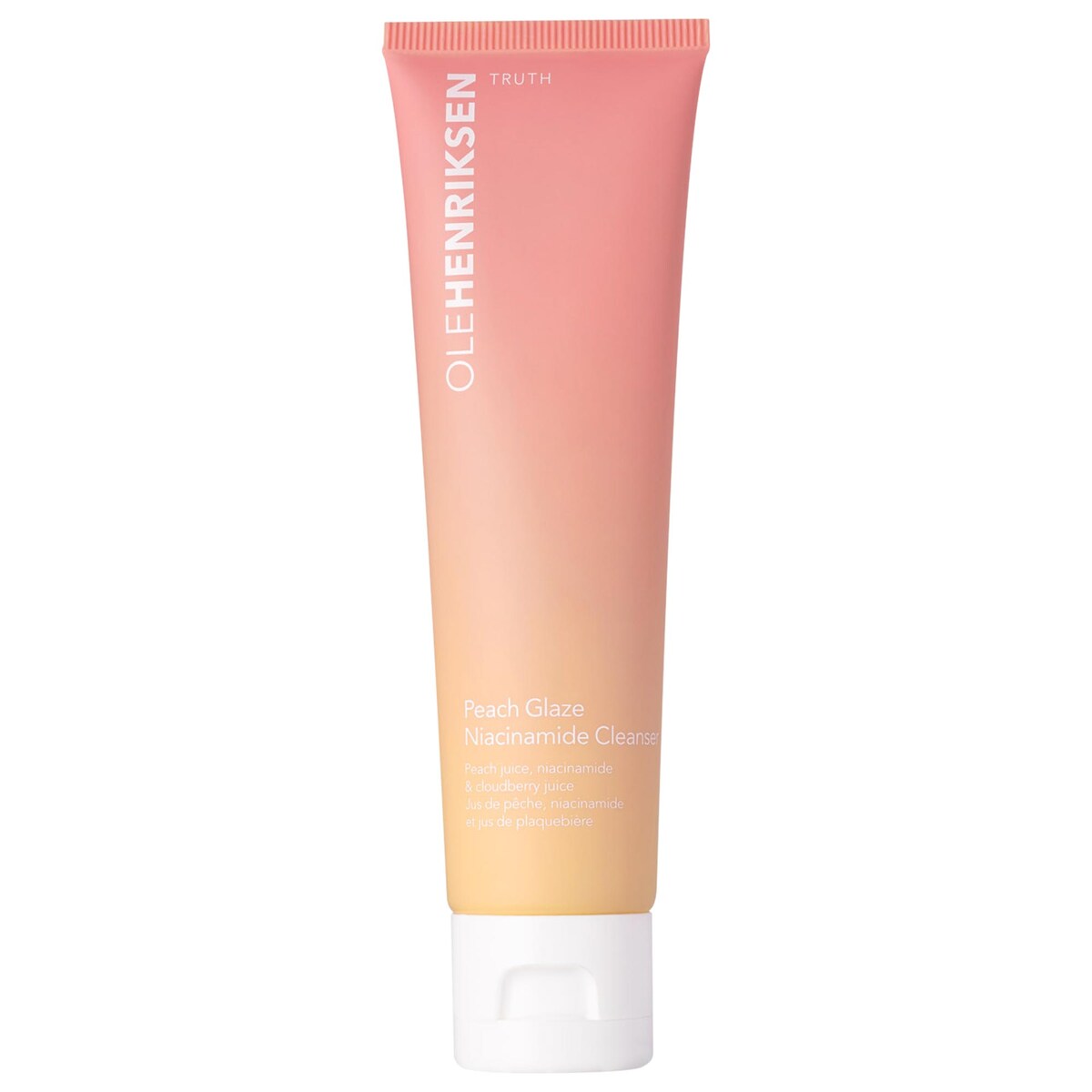
The primary ingredient in most skincare products, acting as a base for other components.
Usually helps with
Hydration
Surfactant
Sodium Cocoyl Isethionate
A gentle surfactant derived from coconut oil, known for its mild cleansing properties and ability to create a creamy lather.
Usually helps with
Cleansing
Watch for
Can be drying for some skin types
A powerful humectant that draws moisture into the skin, helping to keep it hydrated and supple.
Usually helps with
Hydration
Surfactant
Cocamidopropyl Hydroxysultaine
A mild amphoteric surfactant that helps to cleanse the skin and create foam. It is often used in conjunction with other surfactants to improve mildness.
Usually helps with
Cleansing
Emulsifier
Sodium Hydroxypropyl Starch Phosphate
A modified starch used as an emulsifier and thickener, helping to stabilize the product's texture.
Usually helps with
Texture
A non-ionic surfactant derived from coconut oil and glucose, known for its mildness and good foaming properties.
Usually helps with
Cleansing
A versatile ingredient that helps to improve skin barrier function, reduce inflammation, minimize pore appearance, and regulate oil production.
Usually helps with
Oiliness, visible pores, uneven tone
Watch for
Can cause flushing or irritation in sensitive individuals at higher concentrations
Surfactant
Cocamidopropyl Betaine
A mild amphoteric surfactant that provides gentle cleansing and foam boosting. It's often used in sensitive skin formulations.
Usually helps with
Cleansing
Emollient
Glycol Distearate
An ester of ethylene glycol and stearic acid, used as an emollient, emulsifier, and opacifying agent, giving products a pearly appearance.
Usually helps with
Texture
Antioxidant
Prunus Persica (Peach) Juice
Contains vitamins and antioxidants that can help to brighten and protect the skin.
Usually helps with
Brightening
Antioxidant
Rubus Chamaemorus Fruit Juice
Cloudberry extract, rich in antioxidants and vitamins, known for its skin-brightening and nourishing properties.
Usually helps with
Brightening, nourishment
Surfactant
Sodium Methyl Cocoyl Taurate
A mild anionic surfactant derived from coconut fatty acids and taurine, known for its excellent foaming and cleansing abilities.
Usually helps with
Cleansing
Preservative Booster
Lactobacillus Ferment
A probiotic ingredient that can help to strengthen the skin's natural defenses and improve hydration.
Usually helps with
Barrier support, hydration
Preservative
Leuconostoc/Radish Root Ferment Filtrate
A natural preservative derived from fermented radish root, offering antimicrobial properties.
Usually helps with
Preservation
Preservative Booster
Ethylhexylglycerin
A synthetic compound used as a preservative booster and skin-conditioning agent. It enhances the efficacy of other preservatives.
Usually helps with
Preservation
Chelating Agent
Sodium Gluconate
A chelating agent that helps to improve the stability and performance of the product by binding to metal ions.
Usually helps with
Product stability
Viscosity Adjuster
Sodium Chloride
Common salt, used here to adjust the viscosity of the product.
Usually helps with
Texture
Conditioning Agent
Guar Hydroxypropyltrimonium Chloride
A quaternary ammonium compound derived from guar gum, used as a conditioning agent to improve hair and skin feel.
Usually helps with
Skin conditioning
Thickener
Acrylates/C10-30 Alkyl Acrylate Crosspolymer
A synthetic polymer used as a thickening agent and emulsion stabilizer, providing a smooth texture.
Usually helps with
Texture
An alpha-hydroxy acid used to adjust the pH of the product, ensuring optimal performance and stability.
Usually helps with
pH balance
UV Absorber
Benzotriazolyl Dodecyl P-Cresol
A UV filter that helps to protect the product from degradation caused by UV light. Its environmental impact is a concern.
Usually helps with
Product stability
Watch for
Environmental concerns
Fragrance Ingredient
Polycitronellol
A synthetic fragrance ingredient, contributing to the product's scent.
Watch for
Potential allergen for sensitive individuals
Preservative
Phenoxyethanol
A common preservative used to prevent the growth of bacteria and fungi in cosmetic products.
Usually helps with
Preservation
Watch for
Can cause skin irritation in some individuals
Fragrance
Parfum/Fragrance
Adds scent to the product. The specific components are not disclosed, which can be a concern for those with fragrance sensitivities.
Watch for
Potential allergen, can cause irritation or allergic reactions
Colorant
Yellow 5 (Ci 19140)
A synthetic colorant used to give the product its yellow hue. Some individuals may be sensitive to artificial colorants.
Watch for
Potential allergen for sensitive individuals
Colorant
Red 40 (Ci 16035)
A synthetic colorant used to give the product its red hue. Some individuals may be sensitive to artificial colorants.
Watch for
Potential allergen for sensitive individuals