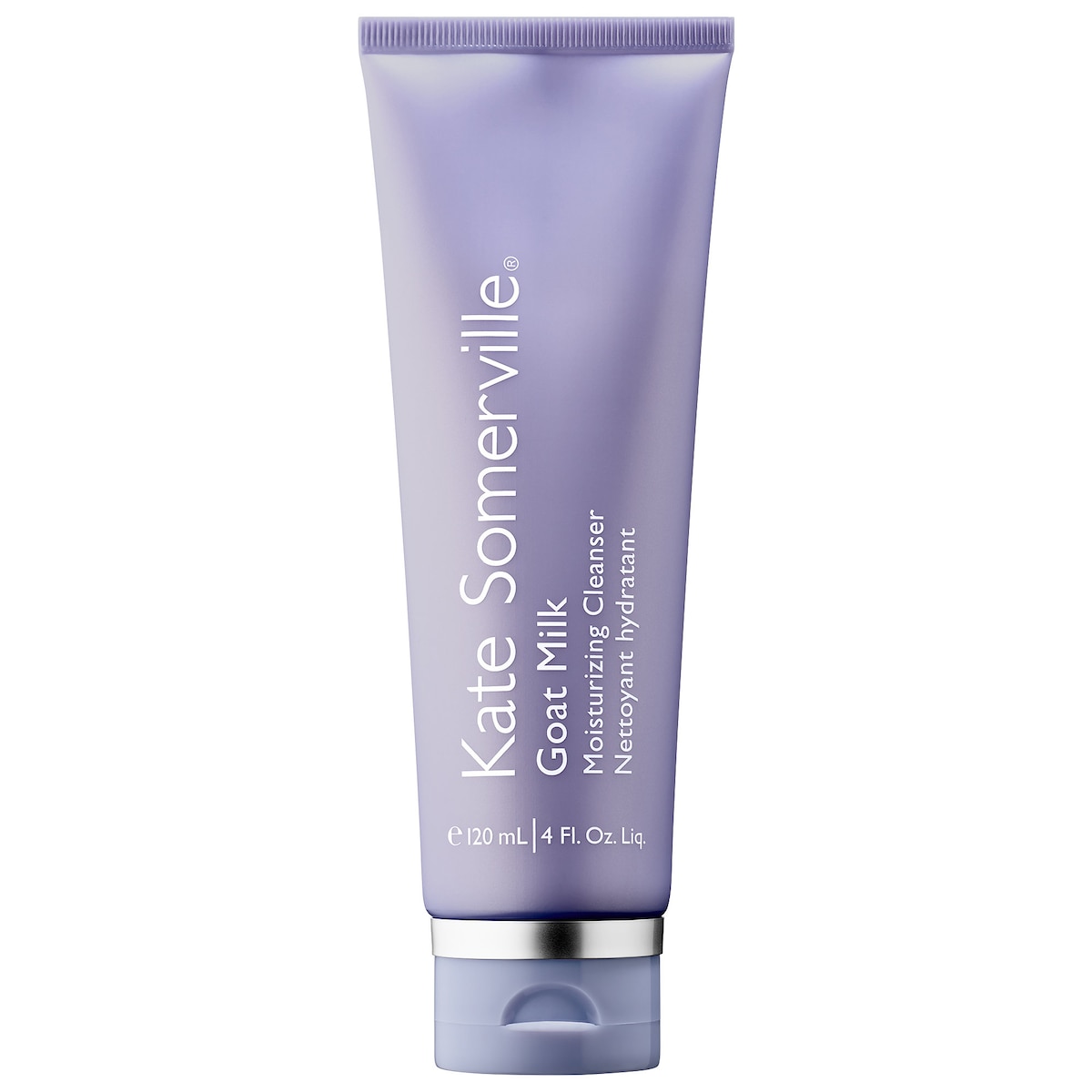
The base for many skincare formulations.
Usually helps with
Hydration
Surfactant
Sodium Cocoyl Isethionate
A gentle surfactant derived from coconut oil, known for its mild cleansing properties and ability to create a creamy lather.
Usually helps with
Cleansing
Surfactant
Cocamidopropyl Hydroxysultaine
A mild amphoteric surfactant that helps to cleanse the skin and improve lather.
Usually helps with
Cleansing
A common humectant that draws moisture to the skin, helping to keep it hydrated.
Usually helps with
Hydration
Emulsifier
Polyglyceryl-3 Methylglucose Distearate
An emulsifier that helps to blend oil and water components in a formula, contributing to a smooth texture.
Usually helps with
Texture
A moisturizing ingredient derived from sugar beets, known for its skin-conditioning properties.
Usually helps with
Hydration
Emollient
Glyceryl Distearate
An emollient that helps to soften and smooth the skin.
Usually helps with
Softening
Emollient
Vitis Vinifera (Grape) Seed Oil
A lightweight oil rich in antioxidants, known for its moisturizing and skin-conditioning benefits.
Usually helps with
Moisturizing
Emollient
Simmondsia Chinensis (Jojoba) Seed Oil
A non-comedogenic oil that closely resembles the skin's natural sebum, providing excellent moisture without clogging pores.
Usually helps with
Moisturizing, non-comedogenic
Emollient
Persea Gratissima (Avocado) Oil
A rich oil packed with fatty acids and vitamins, known for its deep nourishing and softening properties.
Usually helps with
Nourishing, softening
Emollient
Cocos Nucifera (Coconut) Oil
A rich emollient that provides intense moisture, but can be comedogenic for some skin types.
Usually helps with
Moisturizing
Watch for
Potential for breakouts in acne-prone individuals
Emollient
Caprylic/Capric Triglyceride
A derivative of coconut oil and glycerin, it's an excellent emollient and skin-replenishing ingredient.
Usually helps with
Moisturizing
Humectant
Xylitylglucoside
A derivative of xylitol, it helps to improve the skin's moisture barrier and reduce water loss.
Usually helps with
Hydration
A solvent and humectant that enhances the penetration of other ingredients and provides hydration.
Usually helps with
Hydration
Thickener
Polyacrylate Crosspolymer-6
A polymer used to thicken formulations and improve texture.
Usually helps with
Texture
Emulsifier
Glyceryl Stearate
An emulsifier and emollient that helps to stabilize the formula and soften the skin.
Usually helps with
Texture, softening
Emollient
Cetearyl Alcohol
A fatty alcohol that acts as an emollient and emulsifier, helping to soften and smooth the skin.
Usually helps with
Softening
Skin Conditioning Agent
Caprae Lac (Goat Milk, Lait de Chèvre)
Rich in lactic acid, vitamins, and minerals, it's known for its soothing and moisturizing properties.
Usually helps with
Soothing, moisturizing
Skin Conditioning Agent
Lactose
A sugar derived from milk, it can help to hydrate and condition the skin.
Usually helps with
Hydration
Skin Conditioning Agent
Milk Protein
Contains amino acids and peptides that can help to nourish and condition the skin.
Usually helps with
Nourishing
An alpha hydroxy acid (AHA) that gently exfoliates the skin, promoting cell turnover and improving texture. Can increase sun sensitivity.
Usually helps with
Exfoliation, brightening
Watch for
Sun sensitivity, potential for irritation if overused
A form of Vitamin E, it acts as an antioxidant to protect the skin from environmental damage.
Usually helps with
Antioxidant protection
Humectant
Mel Extract (Honey Extract, Extrait de Miel)
Honey extract is a natural humectant and has antioxidant and antimicrobial properties.
Usually helps with
Hydration, soothing
Antioxidant
Rosmarinus Officinalis (Rosemary) Leaf Extract
Contains antioxidants that help protect the skin from free radical damage.
Usually helps with
Antioxidant protection
Antioxidant
Helianthus Annuus (Sunflower) Extract
Rich in linoleic acid and antioxidants, it helps to strengthen the skin barrier and protect against environmental stressors.
Usually helps with
Skin barrier support, antioxidant
A component of chamomile, it's known for its anti-inflammatory and soothing properties.
Usually helps with
Soothing, calming
Soothing Agent
Aloe Barbadensis Leaf Juice
Known for its hydrating, soothing, and anti-inflammatory properties.
Usually helps with
Soothing, hydration
Surfactant
Sodium Lauroyl Glutamate
A mild, amino acid-based surfactant that provides gentle cleansing.
Usually helps with
Gentle cleansing
Antioxidant
Oryza Sativa (Rice) Bran Extract
Contains antioxidants and fatty acids that can help to nourish and protect the skin.
Usually helps with
Nourishing, antioxidant
A sugar alcohol that helps to retain moisture and improve the skin's barrier function.
Usually helps with
Hydration
A solvent and humectant that also has antimicrobial properties.
Usually helps with
Hydration, preservation
A derivative of xylitol, it enhances the skin's hydration by improving its ability to retain water.
Usually helps with
Hydration
Fragrance
Parfum/Fragrance
Added for scent. Can be a potential irritant for sensitive skin.
Watch for
Potential for irritation or allergic reactions in sensitive individuals
A fatty acid that acts as an emulsifier and emollient, helping to soften and smooth the skin.
Usually helps with
Texture, softening
Chelating Agent
Disodium EDTA
A chelating agent that improves the stability and efficacy of the formula by binding to metal ions.
Usually helps with
Product stability
Preservative
Caprylhydroxamic Acid
A preservative that helps to prevent microbial growth in the product.
Usually helps with
Preservation
A natural polysaccharide used to thicken formulations and improve texture.
Usually helps with
Texture
A solvent used in cosmetic formulations.
Usually helps with
Solvent
Fragrance
Benzyl Salicylate
A fragrance ingredient that can be a potential allergen for some individuals.
Watch for
Potential for allergic reactions in sensitive individuals
Formula support
Caprae Lac (Goat Milk, Lait de Chèvre)
Included in the source ingredient list. Glass treats this as part of the supporting formula unless it overlaps with a known active, preservative, or fragrance flag.
Usually helps with
Formula completeness and routine context
Watch for
Personal sensitivity, especially if your skin is reactive or the ingredient overlaps with other products in your routine