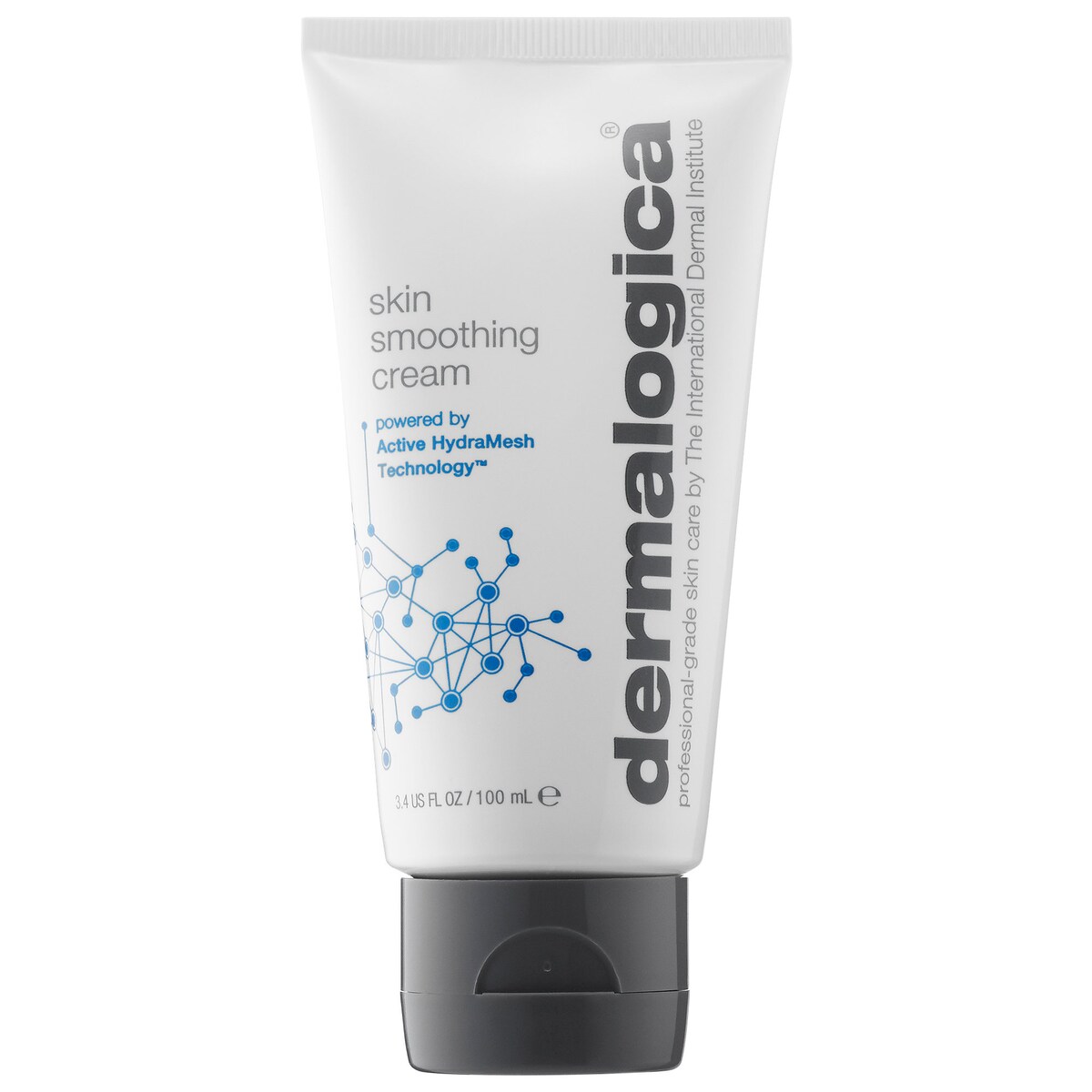
The base for most skincare formulations.
Usually helps with
Hydration
Emollient
Caprylic/Capric Triglyceride
A skin-conditioning agent derived from coconut oil and glycerin. It helps to replenish the skin's surface lipids.
Usually helps with
Dryness, barrier support
Emollient
Ethylhexyl Hydroxystearate
An emollient that helps to soften and smooth the skin.
Usually helps with
Softening skin
A fatty acid that can help emulsify ingredients and also acts as an emollient.
Usually helps with
Emulsifying, softening skin
Watch for
Can be comedogenic for some
A humectant that draws moisture to the skin. It also helps to improve the texture of the product.
Usually helps with
Hydration, texture improvement
A classic humectant that draws water into the skin, improving hydration.
Usually helps with
Hydration
Soothing Agent
Aloe Barbadensis Extract
Known for its soothing and hydrating properties, it helps calm irritated skin.
Usually helps with
Soothing, hydration
A silicone that forms a protective barrier on the skin, preventing moisture loss and providing a smooth feel.
Usually helps with
Occlusion, smoothing
Watch for
Can feel heavy for some
A polyethylene glycol that can act as a surfactant or emulsifier. Concerns exist about potential contamination with 1,4-dioxane.
Usually helps with
Emulsifying
Watch for
Potential for irritation or contamination
Emollient
Cetearyl Alcohol
A fatty alcohol that moisturizes and softens the skin, and also acts as an emulsifier.
Usually helps with
Moisturizing, softening
Humectant
Sodium Hyaluronate
The salt form of hyaluronic acid, it effectively attracts and holds moisture in the skin.
Usually helps with
Hydration, plumping
Antioxidant
Vitis Vinifera (Grape) Seed Extract Saccharide Isomerate
Combines antioxidant benefits from grape seed extract with the hydrating properties of saccharide isomerate.
Usually helps with
Antioxidant protection, hydration
Soothing Agent
Cucumis Sativus (Cucumber) Fruit Extract
Known for its cooling and soothing properties, it can help reduce puffiness and calm the skin.
Usually helps with
Soothing, calming
Soothing Agent
Arnica Montana Flower Extract
Traditionally used for its anti-inflammatory properties, it can help soothe irritation.
Usually helps with
Soothing irritation
Watch for
Can cause allergic reactions in some individuals
Soothing Agent
Hedera Helix (Ivy) Extract
May have soothing and anti-inflammatory properties.
Usually helps with
Soothing
Soothing Agent
Malva Sylvestris (Mallow) Flower Extract
Contains mucilage that can help soothe and hydrate the skin.
Usually helps with
Soothing, hydration
Soothing Agent
Parietaria Officinalis Extract
A plant extract known for its soothing properties.
Usually helps with
Soothing
Antioxidant
Sambucus Nigra Flower Extract
Rich in antioxidants, it helps protect the skin from environmental stressors.
Usually helps with
Antioxidant protection
Antioxidant
Ascorbyl Palmitate
A fat-soluble form of Vitamin C. It's an antioxidant but less potent and stable than L-Ascorbic Acid.
Usually helps with
Antioxidant protection
Watch for
Less effective than other forms of Vitamin C
A sugar that helps the skin retain moisture and protects it from dehydration.
Usually helps with
Hydration, protection
A polysaccharide derived from seaweed, used as a thickener and emulsifier.
Usually helps with
Texture
Humectant
Hydrolyzed Sodium Hyaluronate
A smaller molecule form of hyaluronic acid that can penetrate deeper into the skin for enhanced hydration.
Usually helps with
Deep hydration
An amino acid that helps maintain skin hydration and supports the skin's natural moisturizing factor.
Usually helps with
Hydration, skin barrier support
An essential fatty acid that helps strengthen the skin barrier and improve hydration.
Usually helps with
Barrier support, hydration
Essential components of cell membranes, they help to restore and maintain the skin's barrier function.
Usually helps with
Barrier repair, hydration
Plant-derived sterols that can help condition and soothe the skin, and support the skin barrier.
Usually helps with
Soothing, barrier support
Fragrance
Cananga Odorata Flower Oil
An essential oil derived from ylang-ylang flowers, used for its fragrance. Can be a potential allergen for sensitive skin.
Usually helps with
Fragrance
Watch for
Potential for irritation or allergic reaction
A component of the skin's natural moisturizing factor, it helps to hydrate and soften the skin.
Usually helps with
Hydration, softening
Watch for
Can cause stinging at higher concentrations or on compromised skin
Emulsifier
Hydrogenated Lecithin
A modified form of lecithin that acts as an effective emulsifier and skin-conditioning agent.
Usually helps with
Emulsifying, skin conditioning
A polysaccharide that can form a film on the skin, providing a tightening effect and helping to lock in moisture.
Usually helps with
Film-forming, hydration
Preservative
Caprylhydroxamic Acid
A preservative that also has chelating properties. It's considered a gentler alternative to some traditional preservatives.
Usually helps with
Preservation
Fragrance
Citrus Aurantium Amara (Bitter Orange) Flower Extract
Used for its fragrance. Essential oils can be potential irritants for sensitive skin.
Usually helps with
Fragrance
Watch for
Potential for irritation or allergic reaction
Antioxidant
Tocopheryl Acetate
A stable form of Vitamin E. It acts as an antioxidant and helps to condition the skin.
Usually helps with
Antioxidant protection, skin conditioning
Chelating Agent
Tetrasodium Glutamate Diacetate
A chelating agent that helps to improve the stability and efficacy of the product by binding to metal ions.
Usually helps with
Product stability
Humectant
HexanediolPentylene Glycol
A blend of humectants that help to draw moisture to the skin and improve product texture.
Usually helps with
Hydration, texture
Thickener
Glyceryl Polyacrylate
A polymer used to thicken cosmetic formulations.
Usually helps with
Texture
Buffering Agent
Sodium Citrate
Used to adjust the pH of the product.
Usually helps with
pH adjustment
Buffering Agent
Disodium Phosphate
Used to adjust the pH of the product.
Usually helps with
pH adjustment
Conditioning Agent
Palmitoyl Hydroxypropyltrimonium
A conditioning agent that can help improve skin texture and feel.
Usually helps with
Skin conditioning
Humectant
Amylopectin/Glycerin Crosspolymer
A complex that helps to deliver sustained hydration to the skin.
Usually helps with
Sustained hydration
A humectant that also has some preservative properties. Can be an irritant for some.
Usually helps with
Hydration, preservation
Watch for
Potential for irritation
Buffering Agent
Potassium Phosphate
Used to adjust the pH of the product.
Usually helps with
pH adjustment
An alpha-hydroxy acid (AHA) used to adjust pH and provide mild exfoliation.
Usually helps with
pH adjustment, exfoliation
Watch for
Can cause sensitivity, especially at higher concentrations
Vitamin E, a potent antioxidant that protects the skin from free radical damage.
Usually helps with
Antioxidant protection
Humectant
Methylpropanediol
A solvent and humectant that helps improve the penetration of other ingredients.
Usually helps with
Hydration, ingredient penetration
An emulsifier that can sometimes be contaminated with ethylene oxide, a potential carcinogen.
Usually helps with
Emulsifying
Watch for
Potential for contamination
Pro-vitamin B5, it hydrates, soothes, and helps improve skin barrier function.
Usually helps with
Hydration, soothing, barrier support
Conditioning Agent
Polyquaternium-10
A conditioning agent that can help improve the feel and texture of the skin.
Usually helps with
Skin conditioning
A fatty alcohol that moisturizes and softens the skin, and also acts as an emulsifier.
Usually helps with
Moisturizing, softening
Emulsifier
PEG-100 Stearate
A polyethylene glycol derivative used as an emulsifier. Concerns exist about potential contamination with 1,4-dioxane.
Usually helps with
Emulsifying
Watch for
Potential for irritation or contamination
Emulsifier
Glyceryl Stearate
An emulsifier and emollient that helps to stabilize the formula and soften the skin.
Usually helps with
Emulsifying, softening skin
Used to adjust the pH of the product.
Usually helps with
pH adjustment
A solvent used in cosmetic formulations.
Usually helps with
Solvent
A gelling agent used to thicken formulations. Can be irritating in high concentrations.
Usually helps with
Texture
Watch for
Potential for irritation
Preservative
Ethylhexylglycerin
A preservative that also acts as a skin-conditioning agent.
Usually helps with
Preservation, skin conditioning
pH Adjuster
Sodium Hydroxide
Used to adjust the pH of the product. Can be irritating in high concentrations.
Usually helps with
pH adjustment
Watch for
Can cause irritation
Emulsifier
Hydroxystearic Acid
A fatty acid that can act as an emulsifier and emollient.
Usually helps with
Emulsifying, softening skin
A synthetic antioxidant that can be a skin irritant and has some environmental concerns.
Usually helps with
Preservation
Watch for
Potential for irritation, endocrine disruption concerns
A fragrance ingredient that can be a skin irritant and allergen.
Usually helps with
Fragrance
Watch for
Potential for irritation or allergic reaction
Fragrance
Benzyl Salicylate
A fragrance ingredient that can be a skin irritant and allergen.
Usually helps with
Fragrance
Watch for
Potential for irritation or allergic reaction
A fragrance ingredient found in essential oils. Can be a skin irritant and allergen.
Usually helps with
Fragrance
Watch for
Potential for irritation or allergic reaction
Preservative
Sodium Benzoate
A common preservative that can cause allergic reactions in some individuals.
Usually helps with
Preservation
Watch for
Potential for allergic reactions
Preservative
Phenoxyethanol
A common preservative. While generally considered safe, it can cause irritation in some individuals.
Usually helps with
Preservation
Watch for
Potential for irritation