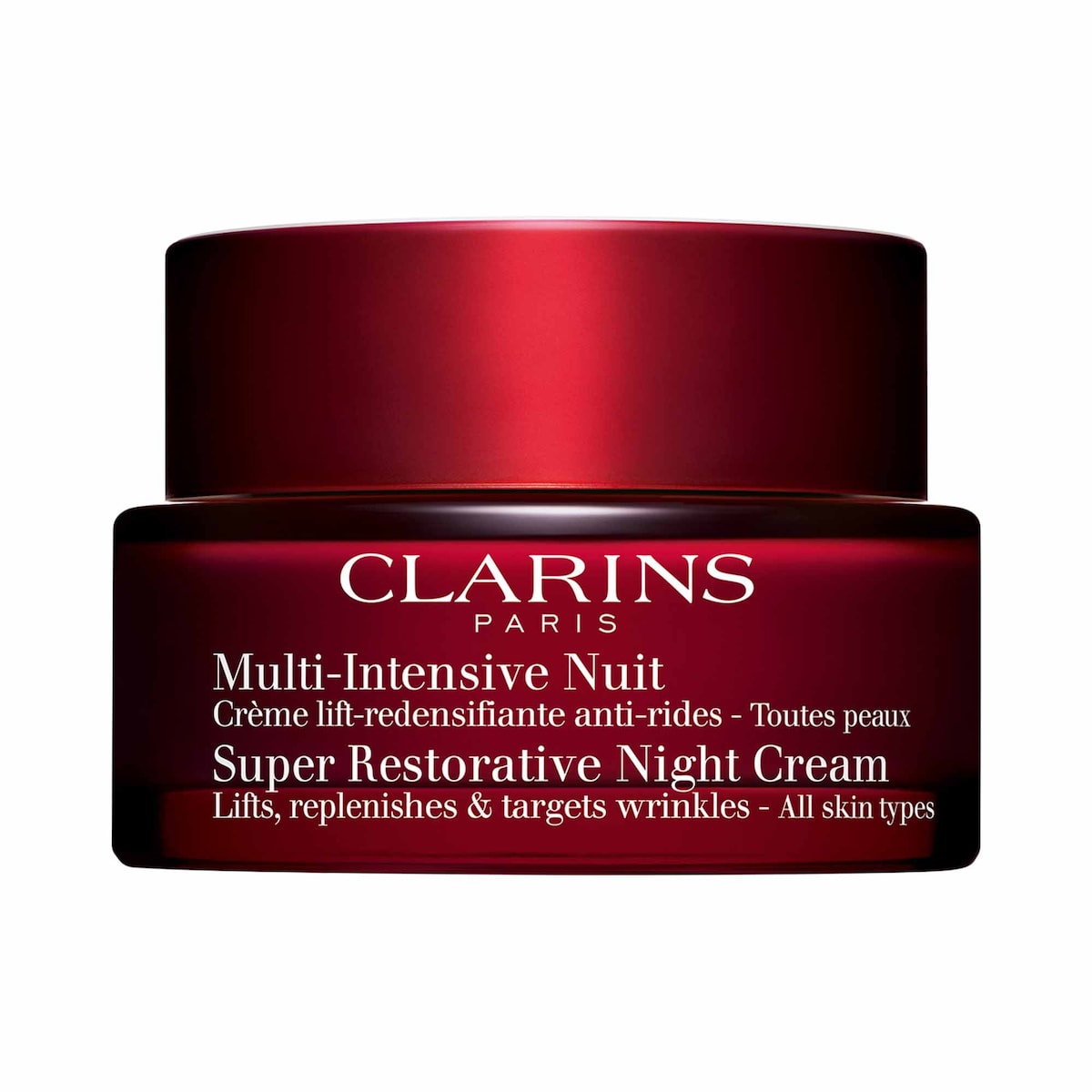
The primary ingredient in most skincare formulations, acting as a base for other components.
Usually helps with
Hydration
Emollient
Cetearyl Isononanoate
A synthetic ester that helps to soften and smooth the skin, improving its texture.
Usually helps with
Softening skin
Emollient
Dicaprylyl Carbonate
A lightweight emollient that improves the spreadability of the product and leaves a non-greasy feel on the skin.
Usually helps with
Smooth application
A common humectant that draws moisture from the air into the skin, helping to keep it hydrated.
Usually helps with
Hydration
Emulsifier/Emollient
Cetearyl Alcohol
A fatty alcohol that helps to stabilize emulsions and provides emollient properties to soften the skin.
Usually helps with
Skin conditioning
Humectant/Solvent
Propanediol
A plant-derived humectant that enhances the absorption of other ingredients and provides hydration.
Usually helps with
Hydration, ingredient absorption
Antioxidant/Skin Brightener
Ascorbyl Glucoside
A stable derivative of Vitamin C that helps to brighten the skin, reduce the appearance of dark spots, and provide antioxidant protection.
Usually helps with
Brightening, antioxidant protection
Watch for
Can cause mild irritation in some individuals
Emollient/Moisturizer
Butyrospermum Parkii (Shea) Butter
A rich emollient derived from the shea tree, known for its intense moisturizing and skin-conditioning properties.
Usually helps with
Dryness, skin barrier support
Emollient
Hydrogenated Coco-Glycerides
Emollients derived from coconut oil that help to soften and smooth the skin.
Usually helps with
Skin softening
Occlusive/Emollient
Dimethicone
A silicone that forms a protective barrier on the skin, preventing moisture loss and providing a smooth feel. Can be comedogenic for some.
Usually helps with
Occlusion, smooth feel
Watch for
Can clog pores for acne-prone skin
Emulsifier/Emollient
Glyceryl Stearate
An emulsifier and emollient that helps to mix oil and water components and soften the skin.
Usually helps with
Emulsion stability, skin softening
Emulsifier
PEG-100 Stearate
A polyethylene glycol derivative used as an emulsifier. Some concerns exist regarding potential impurities and skin penetration.
Usually helps with
Emulsion stability
Watch for
Potential for irritation or contamination
Emulsifier
Cetearyl Glucoside
A gentle, plant-derived emulsifier that helps to create stable emulsions.
Usually helps with
Gentle emulsification
Humectant/Solvent
Butylene Glycol
A humectant that draws moisture to the skin and acts as a solvent for other ingredients. Can be a mild irritant for some.
Usually helps with
Hydration, ingredient solubilization
Watch for
Potential for mild irritation
Thickener/Gelling Agent
Carbomer
A polymer used to thicken formulations. Can be a mild irritant in high concentrations.
Usually helps with
Product texture
Watch for
Potential for irritation
Emulsifier/Preservative
Glyceryl Caprylate
A multi-functional ingredient that acts as an emulsifier and has antimicrobial properties, helping to preserve the product.
Usually helps with
Emulsion stability, preservation
pH Adjuster
Sodium Hydroxide
Used to adjust the pH of the product. Can be irritating if the pH is too high.
Usually helps with
pH balance
Watch for
Potential for irritation if pH is not properly adjusted
Fragrance
Parfum/Fragrance
Adds scent to the product. Can be a common cause of skin irritation and allergic reactions.
Watch for
Allergic reactions, irritation
Humectant
Xylitylglucoside
A derivative of xylitol that enhances the skin's ability to retain moisture and strengthens the skin barrier.
Usually helps with
Hydration, barrier support
Antioxidant/Preservative Booster
Hydroxyacetophenone
An antioxidant that also helps to boost the efficacy of preservatives.
Usually helps with
Antioxidant protection, preservation
pH Adjuster/Chelating Agent
Sodium Citrate
Used to adjust pH and can also help to chelate metal ions, improving product stability.
Usually helps with
pH balance, product stability
Works with xylitylglucoside to improve skin hydration and barrier function by optimizing water reserves.
Usually helps with
Intense hydration
Thickener/Stabilizer
Xanthan Gum
A polysaccharide used to thicken and stabilize cosmetic formulations.
Usually helps with
Product texture, stability
Antioxidant
Tocopheryl Acetate
A form of Vitamin E that acts as an antioxidant, protecting the skin from free radical damage.
Usually helps with
Antioxidant protection
Emollient
Caprylic/Capric Triglyceride
A fractionated coconut oil that is a highly effective emollient, helping to replenish the skin's surface.
Usually helps with
Skin conditioning, emollience
A sugar alcohol that helps to hydrate the skin and improve its barrier function.
Usually helps with
Hydration, barrier support
Chelating Agent
Disodium EDTA
A chelating agent that binds to metal ions, improving product stability and efficacy. Concerns exist about its environmental impact and potential to enhance penetration of other ingredients.
Usually helps with
Product stability
Watch for
Potential to increase penetration of other ingredients
Solvent/Astringent
Alcohol
Can be drying and irritating to the skin, especially in higher concentrations. Used here likely as a solvent or to aid absorption.
Usually helps with
Solvent
Watch for
Drying, potential irritation
Humectant/pH Adjuster
Sodium Lactate
A salt of lactic acid that acts as a humectant and helps to maintain the skin's natural moisture factor.
Usually helps with
Hydration, pH balance
A simple sugar that can help to attract and retain moisture in the skin.
Usually helps with
Hydration
pH Adjuster/Exfoliant
Citric Acid
An alpha hydroxy acid (AHA) used to adjust pH. In higher concentrations, it can provide mild exfoliation.
Usually helps with
pH balance, mild exfoliation
Watch for
Potential for irritation, especially with sun exposure
Active/Antioxidant
Harungana Madagascariensis Extract
A plant extract known for its anti-aging properties, believed to boost collagen production and improve skin firmness.
Usually helps with
Anti-aging, firmness
Antioxidant/Soothing
Marrubium Vulgare Extract
A plant extract with antioxidant and soothing properties, helping to protect the skin from environmental stressors.
Usually helps with
Antioxidant protection, soothing
Surfactant/Emulsifier
Coco-Glucoside
A mild, plant-derived surfactant and emulsifier used for gentle cleansing and to help mix oil and water.
Usually helps with
Gentle cleansing, emulsification
Emollient
Balanites Roxburghii Seed Oil
A nourishing seed oil known for its emollient properties, helping to soften and condition the skin.
Usually helps with
Skin conditioning, softening
Preservative/Antimicrobial
Phenethyl Alcohol
A preservative with antimicrobial properties, often used as part of a preservative system.
Usually helps with
Preservation
Moisturizer/Film Former
Furcellaria Lumbricalis Extract
An extract from red algae that can help to hydrate the skin and form a protective film.
Usually helps with
Hydration, skin protection
Skin Brightener/Antioxidant
Pancratium Maritimum Extract
An extract from sea lily that can help to brighten the skin and reduce the appearance of dark spots.
Usually helps with
Brightening, antioxidant
Antioxidant
Pyrus Sorbus Bud Extract
An extract from the buds of the rowan tree, known for its antioxidant properties.
Usually helps with
Antioxidant protection
Active
Ulex Europaeus Leaf/Root/Stem Extract
An extract from gorse, likely used for its beneficial skin properties in anti-aging formulations.
Usually helps with
Anti-aging
Peptide
Palmitoyl Tripeptide-1
A peptide that signals the skin to produce more collagen, helping to reduce the appearance of wrinkles and improve firmness.
Usually helps with
Firmness, wrinkle reduction
Antioxidant
Lapsana Communis Flower/Leaf/Stem Extract
An extract from the nipplewort plant, known for its antioxidant and protective properties.
Usually helps with
Antioxidant protection
Exfoliant/Mineral Source
Maris Sal/Sea Salt/Sel Marin
Sea salt can provide gentle exfoliation and is a source of minerals. May be drying for some.
Usually helps with
Exfoliation, mineral content
A synthetic red colorant. Some colorants can cause irritation or allergic reactions.
Watch for
Potential for irritation or allergic reactions
Peptide
Palmitoyl Tetrapeptide-7
Works synergistically with Palmitoyl Tripeptide-1 to reduce inflammation and support collagen production, aiding in wrinkle reduction.
Usually helps with
Wrinkle reduction, anti-inflammatory