Affordable skincare gets tricky.
Not because cheap is bad. Because cheap makes it easier to overbuy.
Sephora Collection has enough hydrating products now that the shelf can look simple from far away and confusing up close. Milky toner. Dewy serum. Satin light cream. Balmy rich cream. Oil-free gel cream. Soothing moisturizer. Lip balm. They all sound like they belong to the same calm, hydrated routine.
They do not all solve the same problem.
The real split is not which one is best. It is which one belongs in your routine without making the rest of the routine harder to read.
The short answer
If I were choosing from Sephora Collection's hydration line in May 2026, I would start with the step my routine is missing.
Choose the Hydrating Milky Toner if your skin feels tight after cleansing but you do not want another cream. Choose the Soothing Moisturizer if you want a simple, middle-weight daily moisturizer. Choose the Hydrating and Mattifying Oil-Free Gel Cream if your face gets shiny fast and heavy creams make you quit. Choose the Balmy Rich Cream if your barrier feels dry, flaky, or underfed at night. Choose the Dewy Bubble Serum only if you already know you want an extra hydrating layer under moisturizer.
That is the clean version.
The mistake is buying three of them because they are accessible, then wondering which one helped.
The product map
I would treat the line like a set of routine roles, not a ranked list.
| Image | Product | Best fit | Where I would be careful |
|---|---|---|---|
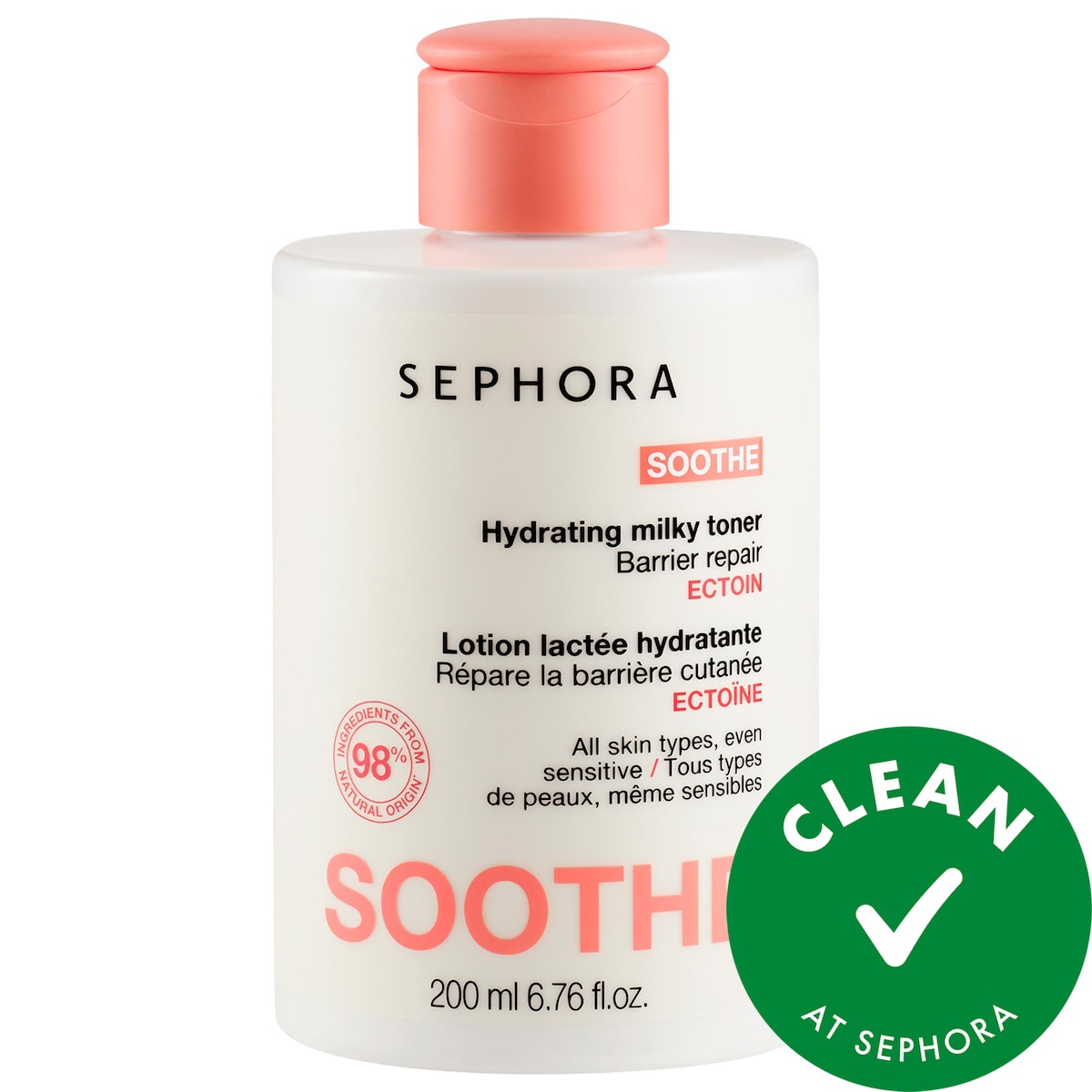
 | Hydrating Milky Toner | A light post-cleanse comfort layer before moisturizer | Not a replacement for moisturizer if your skin is truly dry |
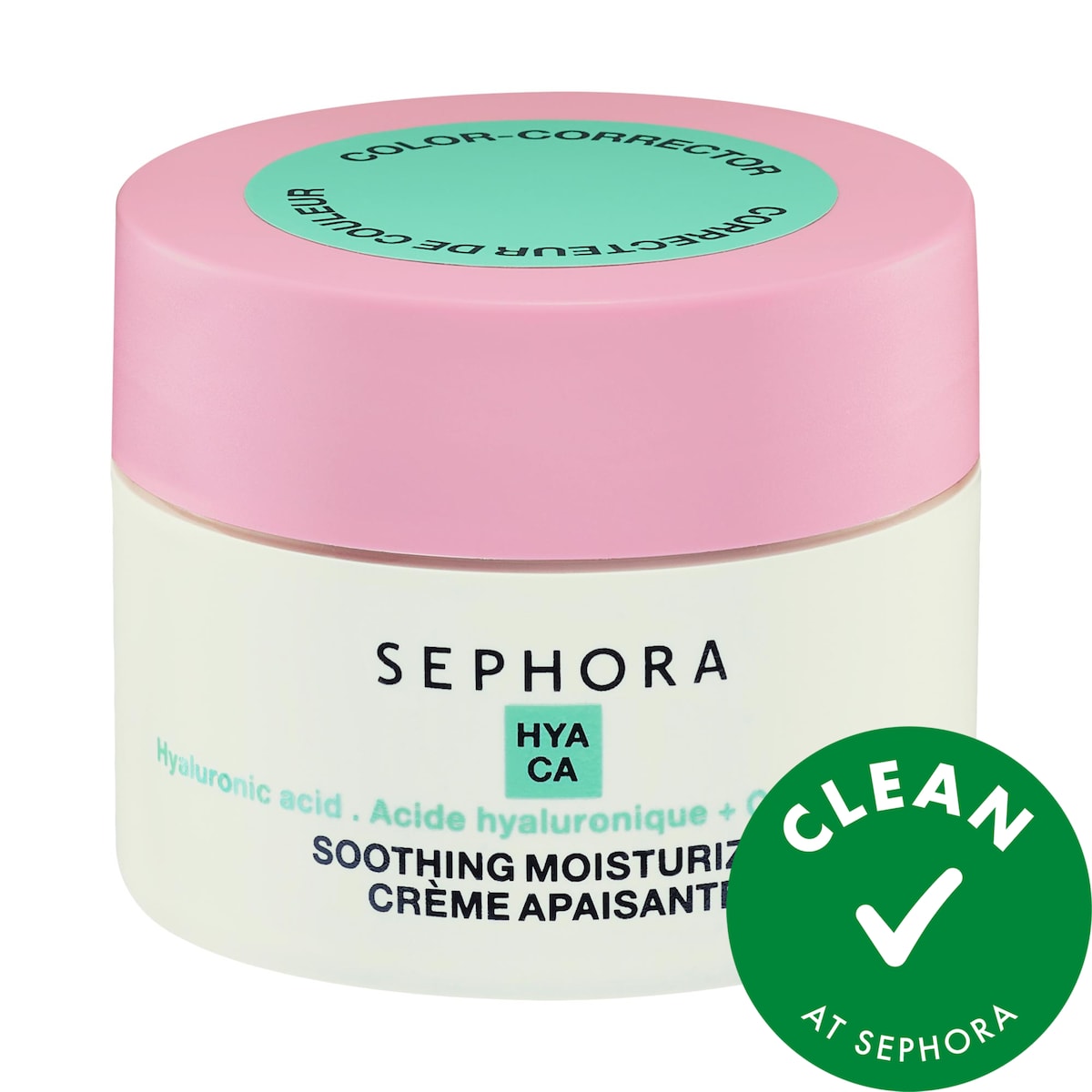
 | Soothing Moisturizer with Hyaluronic Acid | Simple daily moisture for normal, combination, or slightly dry skin | May feel too plain if your barrier needs more cushion |
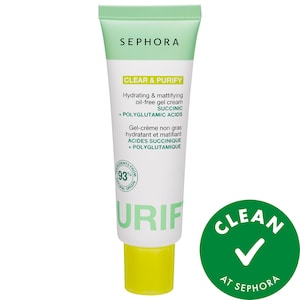 | Hydrating and Mattifying Oil-Free Gel Cream | Oily or combination skin that wants a lighter cream step | Matte-leaning products can disappoint if dehydration is the real issue |
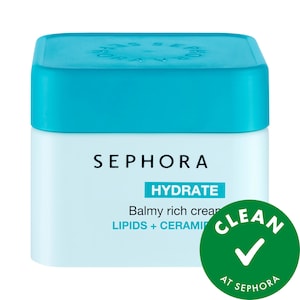 | HYDRATE Balmy Rich Cream | Nighttime comfort, dry zones, or a routine using drying actives | Likely too much if you mainly need daytime oil control |
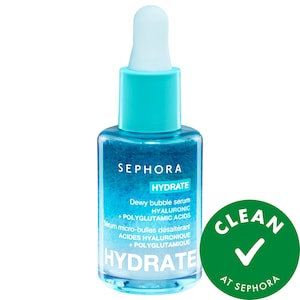 | HYDRATE Dewy Bubble Serum | Extra hydration under cream when skin looks flat or tight | Easy to make redundant if you already use a hydrating toner |
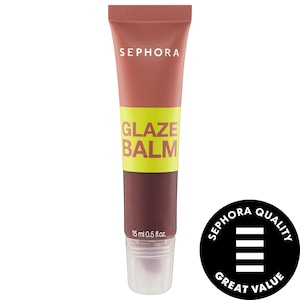 | Glaze Hydrating Lip Balm | A separate lip step, especially in dry routines | Does not fix a face routine that is already stripping you |
That table is how I would shop. One product per missing job. Maybe two if the routine is clear. Not a full cart because the packaging looks like it belongs together.
Why this line is easy to overbuy
The names are friendly.
Hydrate. Soothing. Milky. Dewy. Balmy. Oil-free. These words lower your guard because they sound gentle, and gentle sounds low-risk. But low-risk does not mean useful. A product can be gentle and still be unnecessary.
I see this most with hydration products because the category feels safe. People hesitate before buying a strong peel or retinoid, but they will casually add a toner, serum, cream, sleeping mask, and lip treatment in the same week because they all sound supportive.
Then the routine gets blurry.
If skin improves, you do not know which product helped. If bumps show up, you do not know which product caused trouble. If sunscreen pills, you blame the SPF even though the stack underneath changed. If your face still feels tight, you assume none of the products worked when the real issue may be cleanser, active frequency, or not sealing water in properly.
Affordable products are only a bargain when they make the routine clearer.
The milky toner is the first layer, not the whole plan
Milky toners make sense when watery toners feel too thin but creams feel like too much.
That is the lane. A milky toner can soften the transition between cleansing and moisturizing. It can make tight skin feel less shocked after washing. It can also be a nice way to add comfort without adding a heavy finish before sunscreen.
What I would not do is treat it like a full moisturizer. If your skin is dry enough to flake, burn, or feel tight again ten minutes later, a milky toner alone is probably not enough. It needs a moisturizer after it.
The best use case is simple:
- Cleanse.
- Apply the milky toner.
- Let it settle.
- Add moisturizer.
- Use sunscreen in the morning.
That is especially useful if your skin dislikes thick morning layers but still needs more comfort than cleanser plus moisturizer gives you.
The soothing moisturizer is the boring middle
The Soothing Moisturizer with Hyaluronic Acid is the type of product I would consider when I want the routine to stop being dramatic.
It is not the flashiest lane. That is a good thing. A middle-weight moisturizer can be exactly what a routine needs when the other steps are already doing the work. If you use sunscreen every morning, maybe a gentle cleanser, and one treatment at night, you may not need the most advanced cream on the shelf.
You need something you will actually apply.
This is where I would put the soothing moisturizer:
- normal skin that gets slightly dry after cleansing
- combination skin that does not want a rich cream
- a simple routine with one active ingredient
- someone rebuilding consistency after changing products too often
- a morning routine where sunscreen still needs to sit well
The limitation is cushion. If you are using a drying retinoid, benzoyl peroxide, exfoliating acids, or acne medication, this may or may not be enough. You will know by how your face feels at night and the next morning. Tightness around the mouth, stinging near the nose, and makeup catching on flakes are signs that the routine needs more support.
The oil-free gel cream is for shine, but not every kind of shine
Oil-free gel cream sounds like the obvious answer for oily skin.
Sometimes it is.
If your forehead gets slick fast, creamy moisturizers make you skip the step, and sunscreen already adds enough slip, a lighter gel cream can make the whole routine easier. I like this lane for people who need moisture but hate residue.
But there is a catch. Shiny skin is not always well-hydrated skin.
You can be oily and dehydrated at the same time. You can be shiny because your sunscreen is rich. You can be shiny because you over-cleansed, skipped moisturizer, then produced oil over a tight barrier. If that is the pattern, chasing matte finishes can make the skin feel worse.
I would test the gel cream with your real sunscreen. Not alone. Not on the back of your hand. In the actual morning stack.
If it keeps the skin comfortable and your sunscreen behaves, it is useful. If your cheeks still feel tight by lunch, keep the gel cream for the oilier zones and use something richer where your skin complains.
The balmy rich cream belongs to the people who need cushion
The Balmy Rich Cream is the one I would treat as a night product first.
Not because rich creams cannot be used in the morning. Some people can. But if you are unsure, nighttime is the cleaner test. You can see whether the skin wakes up calmer without immediately judging it under sunscreen, heat, makeup, and sweat.
This is the lane for dry cheeks, flaky areas, retinoid nights, winter air, over-cleansed skin, or anyone whose face feels under-supported by gel textures. Lipids and ceramides in a moisturizer are not magic words, but the product role makes sense: more cushion, more comfort, more barrier-minded support.
The risk is heaviness.
If you mainly break out from rich textures, start with a small amount or use it only on dry zones. Combination skin does not need one democratic layer everywhere. Put the richer cream where your face needs it and keep the oilier areas lighter.
That kind of zoning often works better than forcing one moisturizer to be perfect for the entire face.
The dewy serum is the extra step I would make prove itself
Hydrating serums are easy to justify and easy to forget.
They feel productive. They make the routine feel more complete. They often give a quick plump look because humectants help draw water into the outer skin layer. That can be useful, especially when skin looks flat, dehydrated, or tired.
But a hydrating serum should earn its spot.
If you already use the milky toner and a moisturizer, ask what the serum adds. If the answer is nothing you can feel or see after a week, you may not need it. If the answer is that makeup sits better, cheeks feel less papery, or the moisturizer spreads more comfortably, then it has a job.
I would add it like this:
Morning or night, after cleansing and before moisturizer. If you also use the milky toner, decide which one is doing the hydration work. You can use both, but I would not start both on the same day. That is how routines become unreadable.
The lip balm is separate
The Glaze Hydrating Lip Balm should not be judged like the face products.
Lips do not behave like cheeks. They dry out faster, get irritated by licking, suffer from weather, and react to toothpaste, actives, fragrance, matte lipstick, and dehydration in their own way. A lip balm is a support product, not proof that the rest of the face routine is hydrating enough.
I would use it if the texture makes you apply it consistently. That is the main test. A lip balm you hate wearing is useless no matter how good the ingredient story sounds.
If your lips are cracked at the corners, bleeding, swollen, or repeatedly inflamed, do not keep buying flavored balms and hoping. That can be irritation, infection, allergy, or something that needs a clinician's eyes.
How I would build a routine from the line
I would keep the first version small.
For normal or combination skin:
Morning: gentle cleanser or rinse, Soothing Moisturizer, sunscreen.
Night: cleanser, Soothing Moisturizer or Balmy Rich Cream if the skin feels dry.
For oily skin:
Morning: gentle cleanser, Oil-Free Gel Cream, sunscreen.
Night: cleanser, treatment if tolerated, Oil-Free Gel Cream or a richer cream only on dry zones.
For dry or barrier-stressed skin:
Morning: gentle cleanser or rinse, Hydrating Milky Toner, Soothing Moisturizer, sunscreen.
Night: cleanser, Hydrating Milky Toner or Dewy Bubble Serum, Balmy Rich Cream.
For a routine using actives:
Morning: gentle cleanse, moisturizer that does not sting, sunscreen.
Night: cleanser, active on planned nights, moisturizer. On irritated nights, skip the extra drama and prioritize comfort.
The American Academy of Dermatology recommends moisturizer for acne-prone skin because some acne treatments dry the skin, and it often suggests looking for oil-free, non-comedogenic, or won't-clog-pores language when that is your concern. That is a useful filter, but it is not a final answer. Your routine still has to work on your face.
My seven-day rule
I would not judge any of these products in one night.
I would give one product seven days, with no other new face product added at the same time.
Day one is about feel. Does it sting? Does it pill? Does it make sunscreen weird?
Days two and three are about comfort. Does your face still feel tight after lunch? Are dry zones calmer? Are oily zones manageable?
Days four through seven are about pattern. Are new bumps showing up in places you do not usually break out? Are you using the product without negotiating with yourself? Is the routine easier to repeat?
That last question matters more than people admit. The best product in your bathroom is usually the one that makes the whole routine easier to keep.
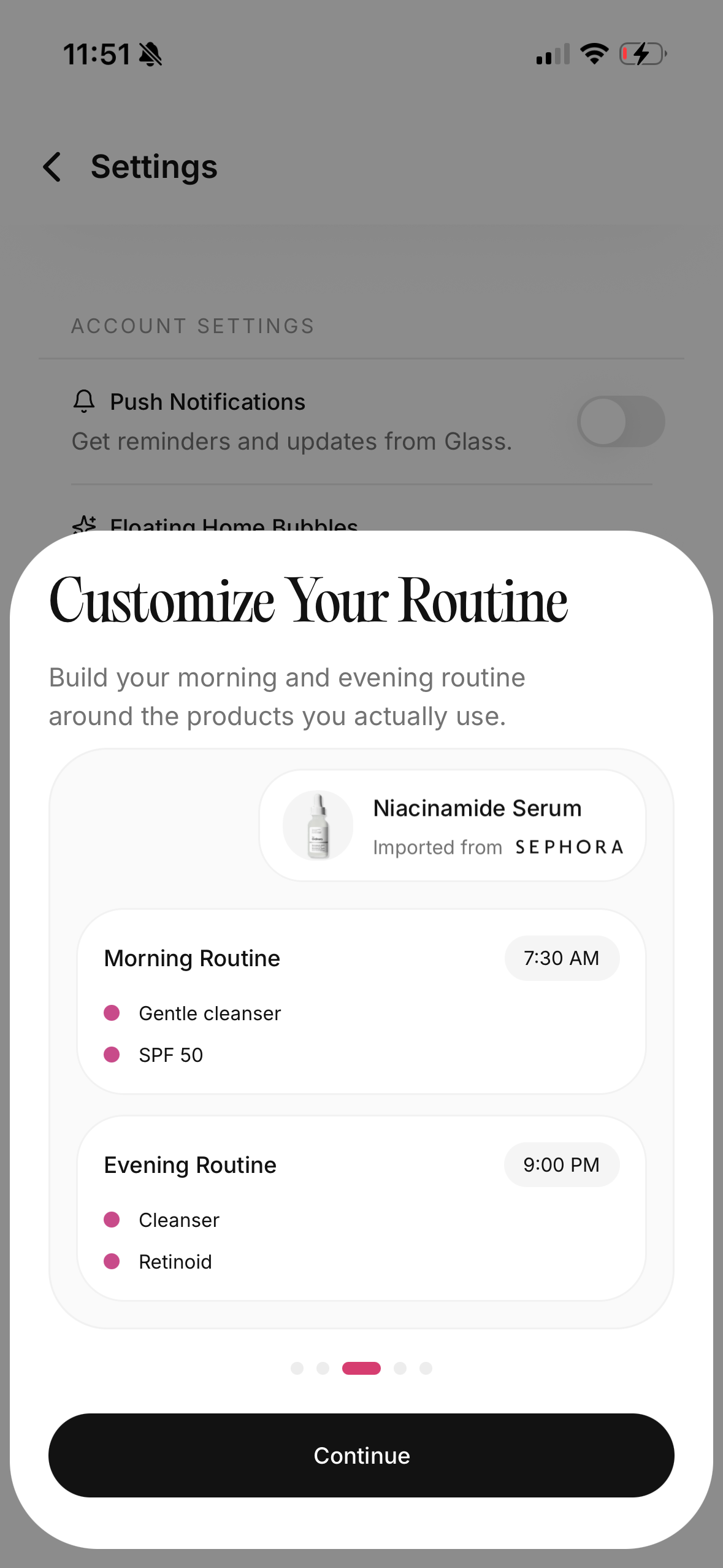
Glass is useful here because you can log one change at a time and compare progress photos in the same lighting. The goal is not to stare at your face all day. The goal is to stop rewriting the routine every time your skin has one weird morning.
What I would skip
I would skip buying the toner, serum, and two creams together unless your routine is already stable and you know exactly where each one goes.
I would skip the oil-free gel cream if your real problem is flaking, burning, or a damaged-feeling barrier.
I would skip the balmy cream as an all-over daytime product if your sunscreen already feels heavy and your T-zone gets slick fast.
I would skip the serum if you already have a hydrating toner that makes your moisturizer work better.
I would skip all of it for a week if your face is actively reacting, swollen, rashy, or burning. When skin is angry, new products create more noise.
The routine test that matters most
The product has to pass the stack test.
A morning product must work under sunscreen. A night product must leave your skin comfortable by morning. A hydrating layer must make moisturizer work better, not just make the first five minutes feel nicer. A rich cream must calm dry zones without making the rest of the face feel trapped.
That is the practical standard.
If the product only feels good alone, it is not enough. Skincare does not happen alone. It happens in layers, in weather, under sunscreen, after cleansing, around actives, on tired nights, and in real bathrooms when you are not in the mood to be patient.
The bottom line
Sephora Collection's hydration line is most useful when you treat it like a menu of jobs.
Milky Toner for a light comfort layer. Soothing Moisturizer for the boring middle. Oil-Free Gel Cream for oily routines that still need moisture. Balmy Rich Cream for dry zones and night cushion. Dewy Bubble Serum for an extra hydration step that has to prove itself. Lip Balm for lips, not as a symbol that the face routine is complete.
Start with the missing role. Add one product. Track the result. Keep the routine small enough that your skin's feedback is readable.
Cheap skincare is only cheap if you finish it.
Useful references: AAD on acne-prone skin moisturizer, Sephora Collection Soothing Moisturizer, and Sephora Collection Hydrating Milky Toner.