
Chemical peels sound cleaner than they are.
One phrase. Many treatments.
A light glow peel before a weekend is not the same thing as a medium-depth peel that makes your skin shed for days. A facial add-on is not the same thing as a physician-led resurfacing plan. A peel for dullness is not the same decision as a peel for melasma, acne marks, or deeper texture.
That is how I would compare chemical peels near Midlothian, Texas in May 2026. I would not start with the cheapest appointment or the strongest before-and-after photo. I would start with the skin problem, the provider's screening process, and the amount of downtime I can actually handle.
The short version: I would consider a chemical peel near Midlothian if my skin concern is dullness, surface texture, clogged-looking pores, mild discoloration, or post-breakout marks. I would slow down if my skin is sensitive, recently sunburned, actively irritated, prone to dark marks after inflammation, or already peeling from retinoids or acne products. And I would avoid any provider who treats peel strength like a flex.
A good peel should feel planned.
Not casual.
The Midlothian decision map
Midlothian has a mix of med spa, aesthetics, facial, and wellness options, and the nearby Waxahachie, Mansfield, and broader DFW area can widen the menu fast. That is useful, but it also makes the comparison messy.
I would start with the Midlothian skin care directory, then compare providers that clearly explain whether they offer peels, Hydrafacial-style treatments, microneedling, injectables, laser, or calmer facial work. If you want a broader side-by-side view, the Midlothian comparison page is the cleaner next step.
Provider guide
Lift Medical Aesthetics
Open the provider guide to compare services, site details, and fit before booking.
Provider guide
Paired Precision Health & Aesthetics
Open the provider guide to compare services, site details, and fit before booking.
Provider guide
Truelove Aesthetics
Open the provider guide to compare services, site details, and fit before booking.
Provider guide
Escala Aesthetics MedSpa
Open the provider guide to compare services, site details, and fit before booking.
Provider guide
Midtowne Wellness & Aesthetics - Mansfield
Open the provider guide to compare services, site details, and fit before booking.
Provider guide
Midtowne Wellness and Aesthetics
Open the provider guide to compare services, site details, and fit before booking.
The first filter is simple:
| If your main goal is... | I would ask about... | I would be careful with... |
|---|---|---|
| Dull, rough surface texture | A superficial peel or gentle exfoliating facial | Too much strength when the skin is already dry |
| Brown post-breakout marks | A pigment-aware peel plan | Darkening after irritation, especially on deeper skin tones |
| Clogged-looking pores | Peel plus extraction or Hydrafacial-style options | Aggressive squeezing and stacked exfoliation |
| Acne-prone skin | Acne-safe peel options and a maintenance plan | Peeling over inflamed, painful, or cystic acne |
| Fine lines or sun damage | A series plan, not one miracle appointment | Expecting one light peel to do deep resurfacing |
| Sensitive or reactive skin | A calming facial first | Any peel that burns beyond the expected window |
That table matters because "chemical peel" is too broad to be the decision. The real decision is whether the treatment matches your skin's current tolerance.
What a chemical peel actually does
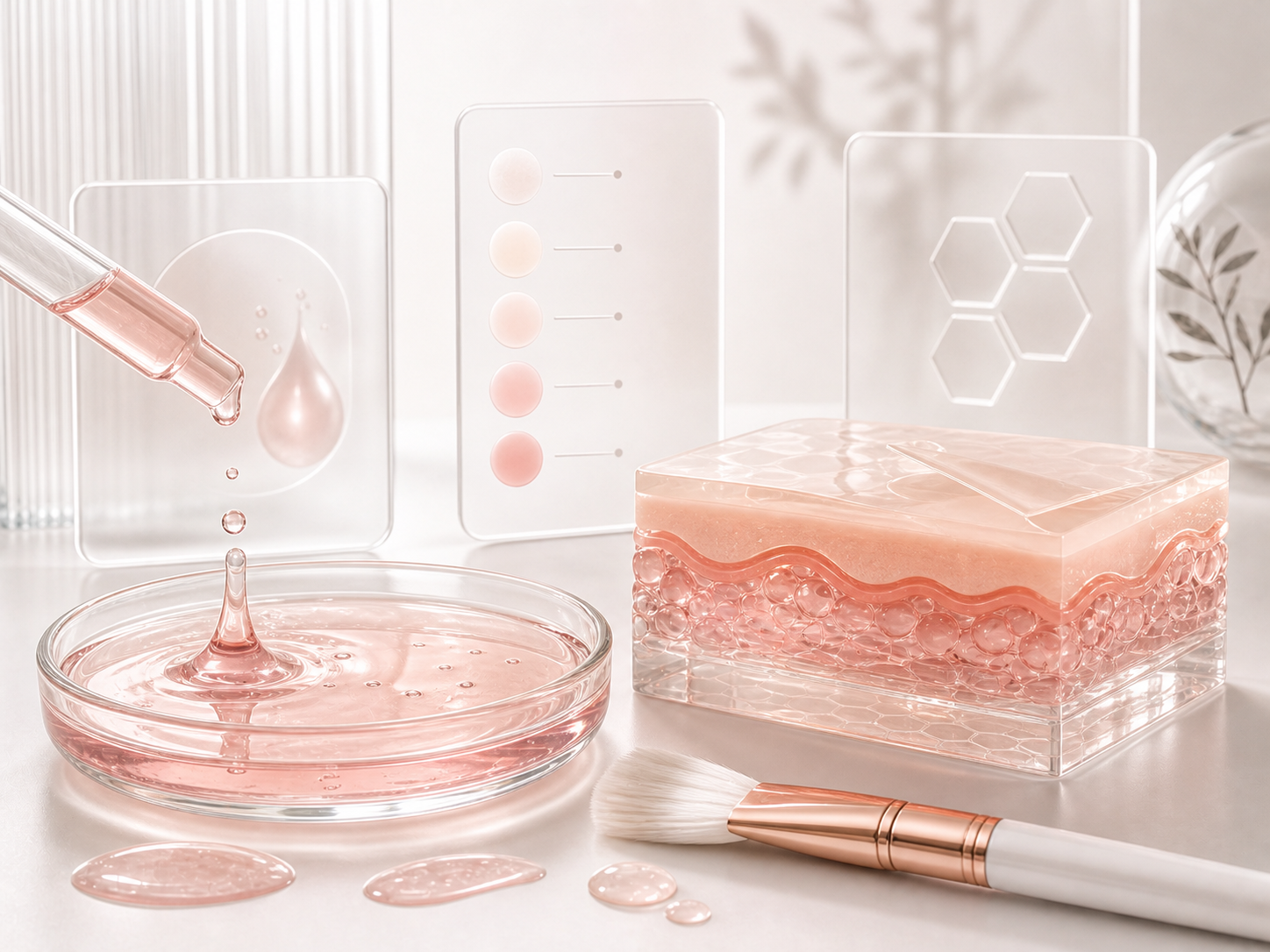
A chemical peel uses a solution to exfoliate controlled layers of skin. Lighter peels work closer to the surface. Deeper peels affect more skin and usually require more downtime, more medical screening, and more serious aftercare.
Cleveland Clinic explains the tradeoff plainly: the deeper the peel, the greater the risk of side effects and complications. Mayo Clinic also describes chemical peels as treatments that remove top layers of skin, with different depths used for different concerns.
That is the part I would keep in my head while comparing local options.
More peeling does not automatically mean a better result. More burning does not mean the treatment is working harder in a good way. More downtime is not a badge. The right peel is the one that gives your skin a controlled push without creating a problem you now have to fix.
For a first peel near Midlothian, I would usually be more interested in conservative, well-screened treatment than in the strongest possible option.
The Texas sun changes the plan
Midlothian is not a place where I would treat post-peel sun protection casually.
After a peel, fresh skin can be more vulnerable to irritation and discoloration. If you are outside often, drive a lot, play sports, work around heat, or know you will not reapply sunscreen, that changes the timing. A peel done before a lake weekend, baseball tournament, outdoor wedding, or sunny vacation can turn into a bad idea.
This is where I would be honest with myself.
If I cannot avoid direct sun, wear a hat, use sunscreen correctly, and pause irritating products afterward, I would wait. A peel is not only the appointment. It is the recovery window. The aftercare is part of the treatment.
Superficial, medium, and deep peels
I would ask every provider what depth they are recommending.
Not just the brand name.
Not just the acid name.
Depth matters because recovery and risk change with it.
| Peel depth | What it usually means | How I would think about it |
|---|---|---|
| Superficial | Works on the outer layers; often used for glow, roughness, mild unevenness, or maintenance | Best starting point for many first-time peel clients |
| Medium | Reaches deeper; can target more visible discoloration, lines, and texture | Needs more downtime, screening, and pigment-risk conversation |
| Deep | Much more intensive resurfacing | Medical-level decision, not a casual spa appointment |
Most people asking about chemical peels near Midlothian are probably not looking for a deep peel. They want smoother skin, better glow, fewer marks, or a reset after a dull month. That usually points toward a lighter or medium conversation, depending on the concern and the provider's license, setting, and training.
I would be cautious if a provider talks only in product names and never explains depth, downtime, contraindications, or aftercare.
The skin tone conversation is not optional
If your skin gets brown marks after irritation, bug bites, acne, waxing, or scratches, say that before the peel.
Post-inflammatory hyperpigmentation is one of the risks I would care about most. A peel can help discoloration in the right plan, but irritation can also make discoloration worse. That is why deeper skin tones and pigment-prone skin need a careful provider, not a one-size-fits-all peel.
I would ask:
- Have you treated skin tones like mine with this peel?
- What is the risk of dark marks after irritation?
- Do I need a prep routine before the peel?
- Should I pause retinoids, acids, benzoyl peroxide, or brightening products?
- What should I do if I start getting unusual darkening afterward?
A good provider should not make those questions feel dramatic. They should already be thinking about them.
When I would choose Hydrafacial instead
Sometimes a peel is not the best first appointment.
If my skin felt dull but also dehydrated, I would ask about a Hydrafacial-style treatment or a gentler custom facial. Hydration can matter more than exfoliation when the face feels tight, flaky, or tired. If the issue is congestion plus dryness, a treatment that cleanses, extracts carefully, and hydrates may be a better first test than a peel.
botox
3Compare who lists botox around Midlothian, TX, then confirm current availability, pricing, downtime, and provider credentials before booking.
fillers
4Compare who lists fillers around Midlothian, TX, then confirm current availability, pricing, downtime, and provider credentials before booking.
hydrafacial
1Compare who lists hydrafacial around Midlothian, TX, then confirm current availability, pricing, downtime, and provider credentials before booking.
laser
1Compare who lists laser around Midlothian, TX, then confirm current availability, pricing, downtime, and provider credentials before booking.
microneedling
1Compare who lists microneedling around Midlothian, TX, then confirm current availability, pricing, downtime, and provider credentials before booking.
wellness
4Compare who lists wellness around Midlothian, TX, then confirm current availability, pricing, downtime, and provider credentials before booking.
Full local page
Browse every provider Glass has for Midlothian, TX
I would lean Hydrafacial-style if:
- I want glow with less intimidation
- my skin feels dehydrated
- I have an event soon and cannot risk obvious peeling
- I am new to professional treatments
- I want extractions but not a strong resurfacing moment
I would lean peel if:
- my skin is sturdy
- the concern is uneven tone or post-breakout marks
- I can handle downtime
- I am prepared for sun discipline
- the provider has a clear reason for the peel choice
The best provider will not be offended by that comparison. They will help you choose the safer lane.
When I would not book a peel
I would not book a chemical peel just because my skin looks bad in harsh lighting.
I would skip or delay if my skin is sunburned, windburned, actively rashy, infected-looking, swollen, cracked, or peeling from products. I would also pause if I recently had waxing, laser, microneedling, a strong facial, or another peel unless the provider specifically says the timing is safe.
I would be extra careful with:
- isotretinoin history
- prescription retinoids
- frequent cold sores
- pregnancy or breastfeeding
- eczema or dermatitis flares
- rosacea-prone flushing
- keloid scarring tendency
- recent intense sun exposure
- darker marks after small injuries
That does not mean everyone in those groups can never get a peel. It means the appointment needs more screening, and sometimes a dermatologist is the better person to ask.
The FDA has also warned against using chemical peel skin products without professional supervision because serious injuries can happen. That warning is aimed at unsupervised use, but the lesson carries over: acids are not toys.
The questions I would ask before booking
I would ask these before paying a deposit:
- What exact peel are you recommending for my concern?
- Is it superficial, medium, or deeper?
- What skin types or conditions should not receive it?
- What should I stop using before the appointment?
- How many days of redness, tightness, flaking, or peeling should I expect?
- What should I do if my skin burns, swells, blisters, or darkens?
- Do you provide written aftercare?
- Who performs the peel, and what training do they have?
- How often would you repeat it?
- What result should I not expect from this peel?
That last question tells you a lot.
If someone promises a light peel will erase deep acne scars, tighten loose skin, clear severe acne, remove melasma forever, and make pores disappear, I would leave that promise on the table. Chemical peels can be useful. They are not magic.
What I would stop before the peel
Follow the provider's instructions first. If they give a different plan because of your skin, medication, or peel depth, use their plan.
For a cautious starting point, I would ask about pausing:
| Product or habit | Why I would ask |
|---|---|
| Retinoids | Can make skin more sensitive before exfoliating treatments |
| Exfoliating acids | Stacking acids can create unnecessary irritation |
| Benzoyl peroxide | Useful for acne, but drying around peel timing |
| Scrubs and cleansing brushes | Extra friction is not helpful |
| Waxing or threading near the area | Can leave skin more vulnerable |
| New skincare | Makes reactions harder to understand |
| Tanning or heavy sun | Raises irritation and pigment risk |
I would keep the routine boring: gentle cleanser, moisturizer, sunscreen. That is not glamorous, but it gives the peel a cleaner baseline.
What aftercare should feel like
After a peel, I would not chase flakes.
No picking. No scrubbing. No trying to speed it up. No peel-off masks. No "just one swipe" of an acid toner because the skin looks uneven.
The American Academy of Dermatology warns that rubbing or scratching treated skin after a peel can cause infection. That is the sentence I would remember when the skin starts flaking in a tempting way.
My boring aftercare lane would be:
- gentle cleanse
- moisturizer
- sunscreen
- hat or shade when possible
- no picking
- no surprise actives
- no hot, aggressive facial add-ons
- no judging the final result too early
If the provider gives a specific recovery product, use it as directed. If something burns in a way that feels wrong, stop guessing and contact the provider.
How I would track results
I would take photos before the appointment and again after the skin fully settles.
Not every hour.
Not in the worst bathroom lighting.
Just the same angle, same distance, same light, same expression. Track the date, the peel type, products paused, visible peeling, redness, breakouts, darkening, and whether the original concern improved.
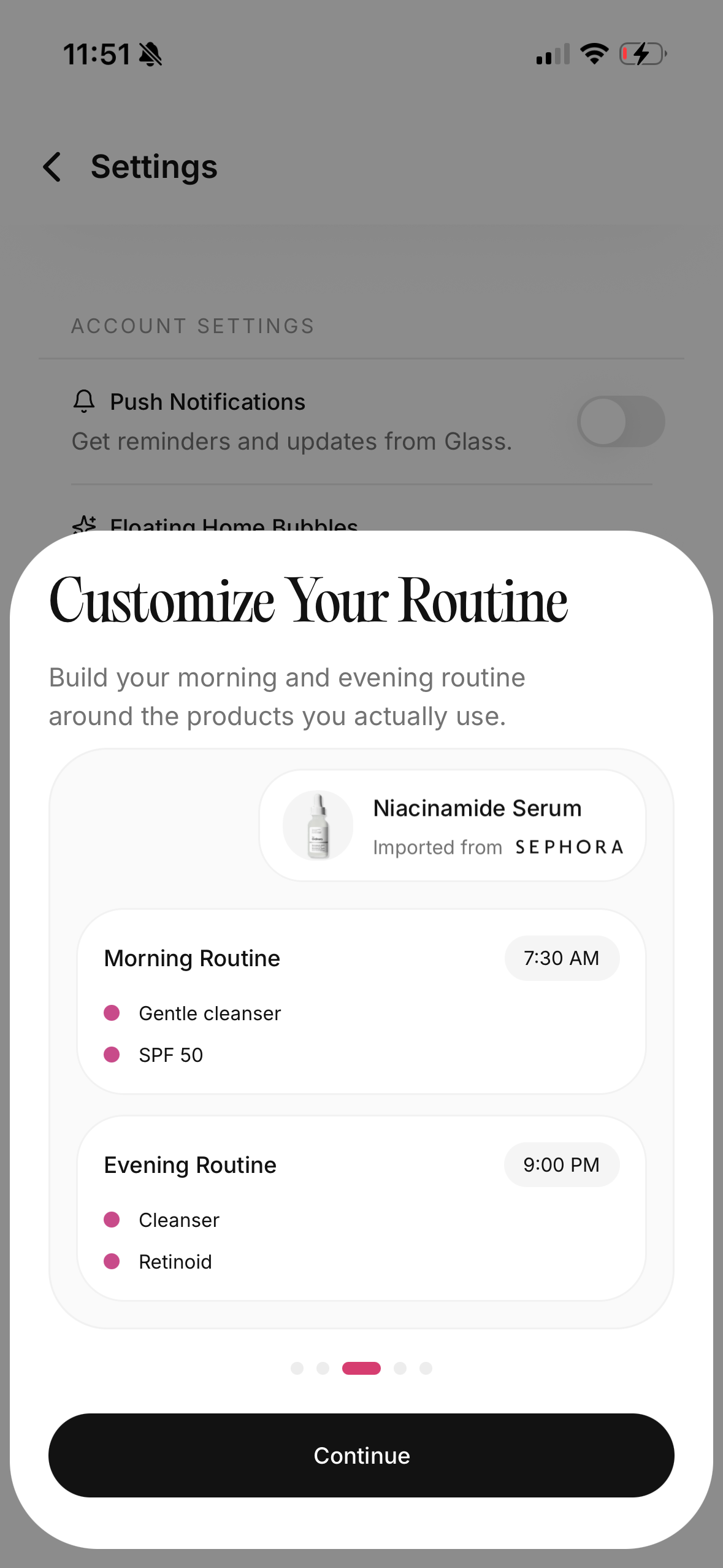
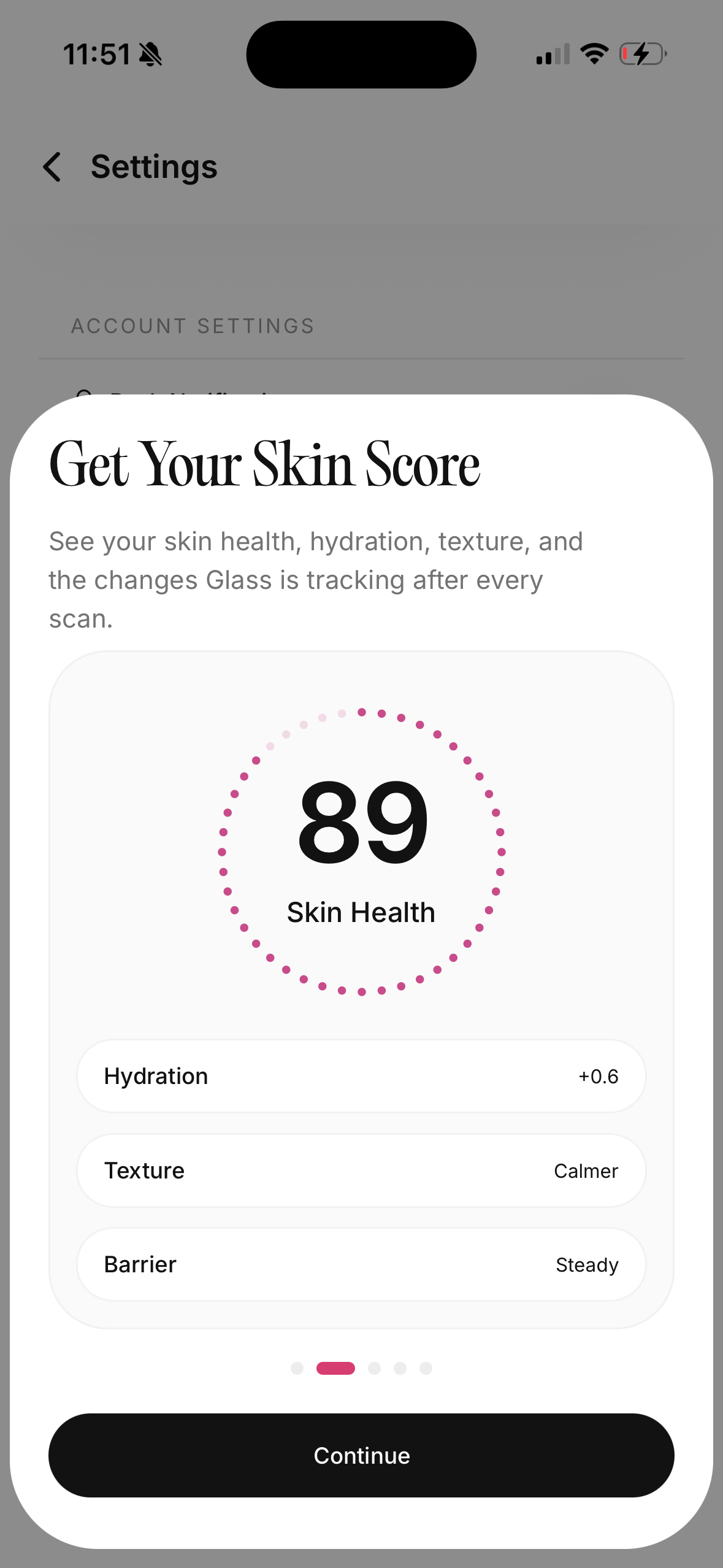
Glass is useful here because it keeps the record calm. Use Glass to log the peel, save the aftercare instructions, take a baseline photo, and check the skin after a week or two in the same light. A treatment record helps you decide whether a peel was worth repeating or whether your skin would do better with a different lane.
How I would compare local providers
I would not compare Midlothian providers by vibe alone.
I would compare the clarity of their process.
| Provider signal | Why it matters |
|---|---|
| They explain peel depth | You know what recovery level you are accepting |
| They screen medications and skin history | They are looking for contraindications |
| They discuss pigment risk | They understand that irritation can leave marks |
| They offer gentler alternatives | They are not forcing a peel when your skin needs calm |
| They give written aftercare | You are not guessing when skin starts flaking |
| They can say no | They are protecting your skin, not only selling a service |
| Provider | fillers | wellness | botox | hydrafacial | laser | microneedling | Guide |
|---|---|---|---|---|---|---|---|
Lift Medical Aesthetics liftmidlo.com | Open | ||||||
Paired Precision Health & Aesthetics pairedprecisionhealth.com | Open | ||||||
Truelove Aesthetics trueloveaesthetics.com | Open | ||||||
Escala Aesthetics MedSpa escalaaesthetics.com | Open | ||||||
Midtowne Wellness & Aesthetics - Mansfield Midlothian, TX | Open | ||||||
Midtowne Wellness and Aesthetics Midlothian, TX | Open | ||||||
Midtowne Wellness and Aesthetics - Waxahachie Midlothian, TX | Open | ||||||
Revive Aesthetics & Wellness Clinic Midlothian, TX | Open | ||||||
Enhance Aesthetic medspa Midlothian, TX | Open |
I would also look at the service mix. A provider that offers peels, Hydrafacial, microneedling, laser, and injectables may be able to place a peel inside a bigger plan. A facial studio may be better for a gentler maintenance peel or glow facial. Neither is automatically better. The right setting depends on the depth of treatment and your risk level.
The peel I would want first
For a first peel, I would want the least dramatic peel that can answer the question.
Can my skin tolerate this style of exfoliation?
Does my skin look brighter without getting angry?
Do my marks improve over time?
Can I follow aftercare without obsessing?
That first peel is information. It does not need to be the strongest appointment on the menu. If the skin responds well, you can build. If it responds badly, you learned before going deeper.
The mistake is trying to buy the third appointment on the first visit.
The bottom line
Chemical peels near Midlothian, TX can be useful when the goal is clear: dullness, surface texture, clogged-looking pores, uneven tone, or post-breakout marks. They become risky when the skin is already irritated, the provider skips screening, or the plan ignores downtime and Texas sun.
I would compare peel options by depth, recovery, pigment risk, provider training, and aftercare. I would choose Hydrafacial-style or calming facial work if my skin needed hydration more than resurfacing. I would wait if my barrier felt compromised.
The best peel is not the strongest one.
It is the one your skin can recover from cleanly.
Useful references: AAD chemical peel FAQs, Cleveland Clinic on chemical peels, Mayo Clinic chemical peel overview, and FDA warning on unsupervised chemical peel products.