Chemical peels sound simple.
They are not.
The word "peel" can mean a light glow treatment before a weekend, a stronger pigment-focused service that needs real downtime, or a deeper medical procedure that should be handled with much more caution. That is why I would not book the first chemical peel near me just because the appointment was open and the before-and-after photos looked smooth.
I would slow down first.
A good peel is not just acid on skin. It is the right acid, the right depth, the right provider, the right prep, and the right recovery plan for your skin. When any of those are wrong, the appointment can go from helpful to irritating fast.
The quick answer
If you are booking a chemical peel near you in May 2026, start by asking what depth the peel is, who performs it, what skin concerns it is meant to treat, how your skin tone changes the risk, what products to stop beforehand, how much downtime to expect, and what aftercare you will be given in writing.
Light peels can be a good fit for dullness, mild texture, clogged pores, and some uneven tone. Medium and deeper peels carry more downtime and more risk, especially if you are prone to hyperpigmentation, have active irritation, recently used isotretinoin, or cannot avoid sun during recovery.
Do not book from the menu alone. Book from the consultation.
1. I would ask what kind of peel it actually is
"Chemical peel" is a category, not a single treatment.
A light lactic acid peel and a stronger TCA peel do not belong in the same mental bucket. One might leave you a little pink and polished. The other may involve visible peeling, strict aftercare, pigment risk, and a longer recovery window. Mayo Clinic separates peels by depth: light, medium, and deep. Cleveland Clinic makes the same basic point: the deeper the peel, the greater the possible risk and recovery.
That is the first question I would ask:
What depth is this peel?
Then I would ask what acid or solution is being used and why it fits my goal. Glycolic, lactic, salicylic, mandelic, Jessner-style blends, TCA, and phenol-based approaches can behave differently. The provider does not need to turn the consult into chemistry class, but they should be able to explain the choice in plain English.
If the answer is vague, I would not book yet.
2. I would match the peel to the problem
The best peel is the one that fits the actual concern.
For dullness, rough texture, and mild congestion, a lighter peel may be enough. For stubborn pigment, acne marks, or more visible texture, the conversation may become more careful and more staged. For deep acne scars, a peel may be only one part of a broader plan, and sometimes not the first thing I would choose.
Here is the way I would sort it:
| Main concern | Peel conversation I would expect | What I would avoid |
|---|---|---|
| Dull skin | Light peel, low downtime, glow-focused expectations | Booking a strong peel for a quick refresh |
| Clogged pores | Salicylic or acne-aware approach, simple routine reset | Stacking peel with harsh at-home exfoliants |
| Post-acne marks | Pigment-aware plan, sunscreen, possible series | Expecting one peel to erase every mark |
| Melasma or deeper pigment | Conservative provider, strict sun plan, realistic timeline | Aggressive peel without pigment-risk discussion |
| Fine lines and texture | Depth-specific discussion and downtime planning | Choosing only from photos |
| Active painful acne | Medical acne plan first if needed | Peeling inflamed skin without a diagnosis |
I would be suspicious of any consultation where every concern gets the same peel recommendation. Skin does not work that way.
3. I would take skin tone seriously
Skin tone matters.
That does not mean darker skin cannot get chemical peels. It means the plan needs to respect the higher risk of post-inflammatory hyperpigmentation for some skin types. Cleveland Clinic notes that darker skin tones can have a greater risk of darkening after a chemical peel. That one sentence should change how casually the appointment is handled.
If I were prone to brown marks after pimples, burns, or bug bites, I would say that early. If I had melasma, I would say that early. If my skin tans easily or pigments after irritation, I would say that early.
The provider should respond with a conservative plan, clear prep instructions, and a serious sunscreen conversation. They should not brush it off with "you will be fine."
That phrase would make me pause.
4. I would ask who is performing it
The clinic brand matters less than the person doing the work.
I would ask:
- Who performs this peel?
- What training do they have?
- How often do they treat my skin concern?
- What skin tones do they commonly treat?
- What happens if I react badly?
- Is there medical oversight for stronger peels?
For light cosmetic peels, a trained aesthetician may be perfectly appropriate. For stronger peels, deeper resurfacing, complex pigment concerns, or medical skin conditions, I would want more clinical oversight. The American Academy of Dermatology describes chemical peels as treatments dermatologists use for acne and discoloration, and deeper or riskier cases deserve that level of seriousness.
This is not about being dramatic. It is about matching risk to training.
5. I would not hide my current routine
Your current routine can change the peel.
Retinoids, exfoliating acids, benzoyl peroxide, scrubs, acne prescriptions, pigment creams, recent waxing, recent lasers, and irritation all matter. Even if a product seems harmless because it is sold over the counter, it can still make your skin more reactive before a peel.
I would bring a product list or a screenshot of my routine. If I were using tretinoin, adapalene, retinol, glycolic acid, salicylic acid, lactic acid, vitamin C, benzoyl peroxide, hydroquinone, or any prescription acne treatment, I would mention it.
I would also mention recent sunburn, cold sores, eczema flares, dermatitis, isotretinoin history, pregnancy, breastfeeding, allergies, and any bad reaction to a prior procedure. Mayo Clinic lists several reasons a clinician may caution against certain peels, including recent isotretinoin use, abnormal scarring history, pregnancy, frequent cold sore outbreaks, and other factors.
The worst consult is the one where the provider learns the important details after the peel is already on your face.
6. I would ask what to stop before the appointment
Pre-care should not be a mystery.
Different clinics give different instructions depending on the peel, but I would expect some version of a pause around exfoliants, retinoids, harsh scrubs, waxing, tanning, and irritating products. If a provider does not give pre-care instructions, I would ask for them before paying.
My basic pre-peel checklist would look like this:
- No new actives the week before unless the provider says otherwise.
- No intentional tanning.
- No picking, scrubbing, or at-home peel experiments.
- No waxing on the treatment area close to the appointment.
- Tell the provider about prescriptions and recent procedures.
- Arrive with skin that is calm, not already burning.
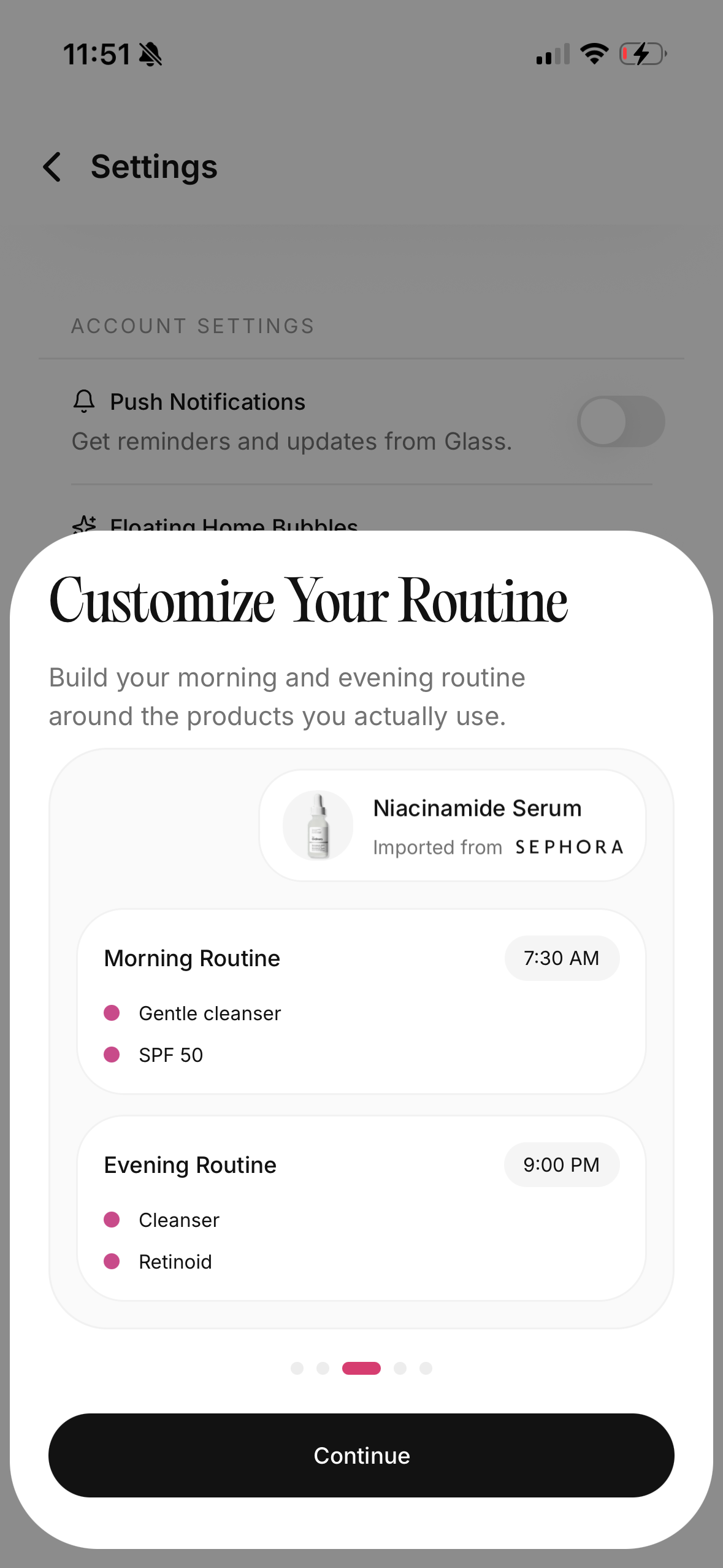
This is where a tracker helps. If you cannot remember what you used this week, it is harder to judge whether your skin is ready. Glass can keep routine steps and changes in one place so you are not trying to reconstruct your product history from bathroom-counter memory.
7. I would plan downtime before I cared about the glow
Downtime is not only peeling.
It can be redness, tightness, flaking, sensitivity, makeup restrictions, sun avoidance, exercise limitations, and the awkward phase where your skin looks worse before it looks better. A light peel may have little visible downtime. A stronger peel may ask more from your schedule.
Ask the provider:
- Will I be red that day?
- Will I visibly peel?
- When can I wear makeup?
- When can I exercise?
- When can I restart retinoids or acids?
- How long do I need to avoid direct sun?
- What should I do if my skin gets darker, swollen, or painful?
I would not book a new peel right before a wedding, vacation, job interview, photoshoot, beach weekend, or outdoor event. Freshly treated skin does not care that the calendar is inconvenient.
8. I would make the aftercare boring on purpose
After a peel, the routine should get quieter.
That usually means gentle cleansing, moisturizer, sunscreen, and no picking. The exact instructions should come from your provider because different peel depths need different care. But the spirit is consistent: protect the barrier, protect from sun, and do not chase flaking skin with more exfoliation.
I would keep the support routine simple:
| Step | What I would use | Why it matters |
|---|---|---|
| Cleanse | Gentle, non-scrubby cleanser | Removes sunscreen without reopening irritation |
| Moisturize | Comfortable barrier-support cream | Helps tightness and reduces temptation to pick |
| Protect | Broad-spectrum sunscreen | Helps reduce pigment risk while skin is vulnerable |
| Track | Photos in the same lighting | Shows whether redness and texture are improving |
Product roles matter more than product drama. I would not use a strong acid cleanser, peel pad, retinoid serum, or drying mask right after a professional peel unless the provider specifically told me to.
Product roles I would consider around peel recovery
These are not mandatory products. They are examples of the kind of simple support categories I would want in place before booking.
| Image | Product | Role | I would use it when |
|---|---|---|---|
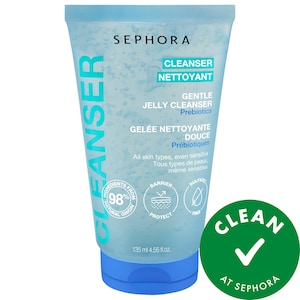 | SEPHORA COLLECTION Gentle Jelly Cleanser | Gentle cleanse | I need a low-drama wash while skin feels touchy |
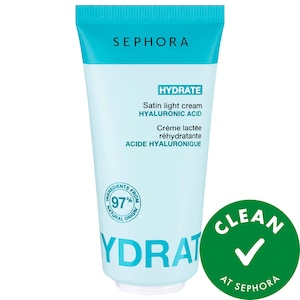 | SEPHORA COLLECTION Hydrate Satin Light Cream | Light moisture | I want hydration without a heavy finish |
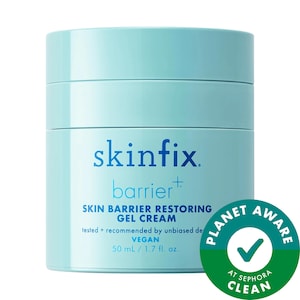 | Skinfix Barrier Gel Cream | Barrier support | My skin gets tight or irritated from actives |
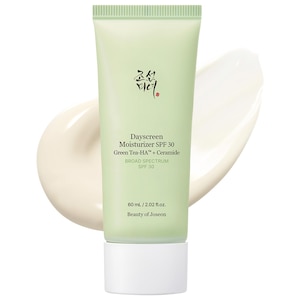 | Beauty of Joseon Dayscreen SPF 30 | Daily sunscreen | I need a simple daytime layer after recovery begins |
If your provider gives a specific post-peel kit, follow that first. The point is not to outsmart aftercare. It is to avoid being caught with only exfoliants and scented moisturizer when your face needs calm.
9. I would use local pages to compare, then call like a serious person
Searching "chemical peel near me" can dump every kind of provider into the same pile: med spas, dermatology offices, facial studios, laser clinics, plastic surgery offices, and beauty bars. The menu may look similar from the outside, but the training, oversight, peel strength, and treatment philosophy can be very different.
I would use a local directory to make the first pass, then call with specific questions. Start with chemical peels near me, then narrow by city, provider, and service mix. If you are still comparing the broader market, open the skin care near me directory and look for providers that explain more than a price and a booking button.
When I call, I would ask:
- What peel would you usually start with for my concern?
- Do you require a consultation before stronger peels?
- What should I stop before the appointment?
- How much downtime should I expect?
- What skin tones and pigment concerns do you commonly treat?
- What aftercare do you send home in writing?
- Who do I contact if my skin reacts badly?
The call should make you feel clearer, not rushed.
When I would wait
I would not book a peel just because my skin feels frustrating this week.
I would wait if my skin is sunburned, windburned, raw, freshly waxed, actively peeling, covered in open picking wounds, flaring with eczema or dermatitis, or reacting to a new product. I would also wait if I cannot avoid sun, cannot follow aftercare, or have a major event too close to the appointment.
I would talk to a clinician first if I have active cold sores, a history of abnormal scarring, a darker skin tone with frequent hyperpigmentation, recent isotretinoin use, pregnancy or breastfeeding questions, immune suppression, or unexplained painful bumps.
Waiting is not failure. Sometimes it is the most skin-respecting decision.
What good results should look like
A good chemical peel result should match the promise.
For a light peel, I would expect subtle smoothness, a fresher look, and maybe less congestion over time. For pigment or texture, I would expect a series or a longer plan, not a miracle. For acne marks, I would expect sunscreen and consistency to matter as much as the appointment.
I would not judge the result only the next morning. Skin can look tight, shiny, red, flaky, or uneven while it is recovering. Track the trend in consistent lighting instead of checking every hour under harsh bathroom lights.
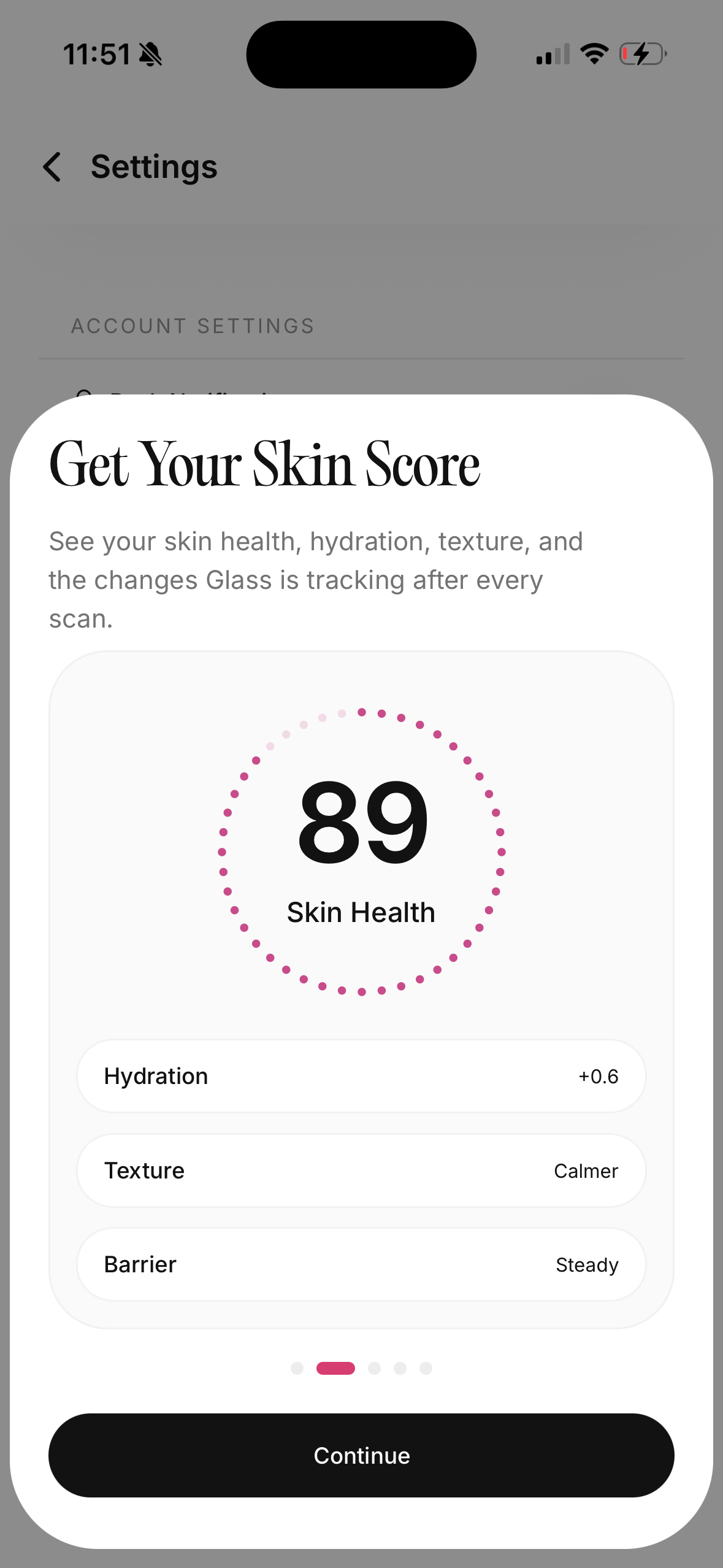
Glass can help with this because the useful question is not "Did I glow immediately?" It is "Did the treatment help the concern without making my skin angrier over the next few weeks?"
The bottom line
The right chemical peel near you is not always the strongest one, the cheapest one, or the soonest available one.
It is the peel that fits your skin concern, skin tone, current routine, provider experience, downtime window, and aftercare discipline. Ask what depth it is. Ask who performs it. Ask what to stop. Ask what could go wrong. Ask what recovery should look like.
If the answers are clear, calm, and specific, you are closer to a good booking decision. If the answers feel rushed or vague, keep looking.
Useful medical references: Mayo Clinic on chemical peels, Cleveland Clinic on chemical peel types and risks, American Academy of Dermatology on chemical peels, and American Society of Plastic Surgeons on chemical peels.