Some moisturizers try to do too much.
This one tries to do three things: hydrate, calm, and make redness look a little less loud.
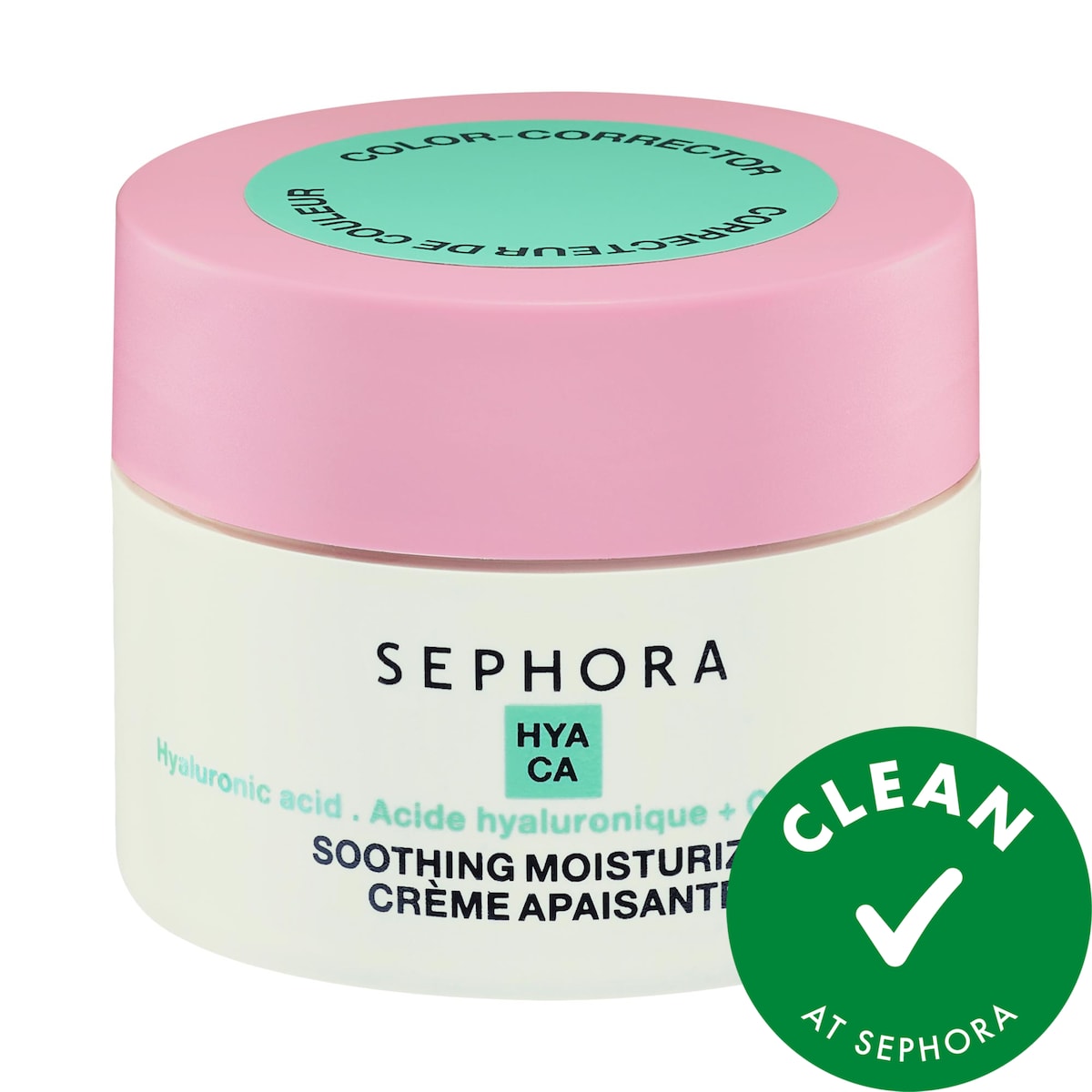
That is why Sephora Collection Soothing Moisturizer with Hyaluronic Acid is interesting. It is not priced like a prestige repair cream. It is not framed like a prescription-adjacent treatment. It is a $20 moisturizer with hyaluronic acid, centella asiatica, and a green color-correcting tint, which means the real question is not whether it sounds impressive. The real question is whether that combination makes your daily routine easier.
I would look at it as a calm-skin helper, not a miracle cream. If your face gets pink after cleansing, tight under makeup, or uneven enough that you keep piling on coverage, this is the kind of product that deserves a careful look. If your skin is deeply irritated, actively flaring, or reacting to everything, I would slow down before adding another variable.
The short answer
As of May 2026, I would consider Sephora Collection Soothing Moisturizer with Hyaluronic Acid for normal, dry, or combination skin that wants lightweight comfort and a softer-looking red tone during the day. The product is built around hydration, centella-style soothing, and a green tint that can visually neutralize redness.
I would not treat it as a replacement for rosacea care, eczema care, acne treatment, sunscreen, or a richer barrier cream when the skin is cracked or peeling. It is a daily moisturizer with a cosmetic redness-softening angle. That can be useful. It just needs to be understood clearly.
The product at a glance
| Detail | What I would note |
|---|---|
| Product | Sephora Collection Soothing Moisturizer with Hyaluronic Acid |
| Price seen in our product data | $20.00 |
| Texture lane | Cream moisturizer |
| Key ingredients called out | Hyaluronic acid and centella asiatica |
| Visual angle | Green pigment to reduce the look of redness |
| Best routine slot | Morning, especially under sunscreen or makeup |
| Main watch-out | The tint and finish need to suit your skin tone and product layers |
The price is part of the appeal. A calming moisturizer is easier to test when it does not feel like a high-stakes luxury purchase. But affordable does not automatically mean low-risk. If your skin is sensitive, the same rule still applies: test slowly and watch the pattern.
Why the green tint matters
Green tint is not skincare magic.
It is color theory. Red and green sit opposite each other, so a sheer green tone can make visible redness look less intense. That can help if your cheeks flush easily, if your nose looks pink around the sides, or if your skin gets red after washing.
The tradeoff is finish. A green tint has to disappear well enough that it does not leave a cast, collect around dry patches, or make the face look dull. On some skin tones, a green moisturizer can look beautifully subtle. On others, it can read slightly gray, pale, or makeup-like if you use too much.
That is why I would judge this product in daylight, not only in the bathroom mirror. Apply a thin layer, wait a few minutes, then check near a window. If the redness looks softer and the skin still looks like skin, that is the win. If the face looks muted or chalky, the tint may not be your lane.
Who this moisturizer makes sense for
This moisturizer makes the most sense for someone whose skin is uncomfortable but not in crisis.
I would put it on the shortlist if your skin:
- feels tight after cleansing
- gets mild redness through the cheeks or around the nose
- needs a simple moisturizer under sunscreen
- dislikes heavy creams
- looks uneven before makeup
- wants an affordable daily comfort step
It also makes sense if you are building a calmer routine and do not want every product to be active, exfoliating, brightening, lifting, resurfacing, or dramatic. Sometimes the face needs one product that just helps the rest of the routine feel less aggressive.
That matters more than people admit. A routine full of impressive products can still fail if the skin feels irritated every night.
Who should probably skip it
I would skip or pause it if your skin is actively burning, cracked, swollen, rashy, or reacting to products you normally tolerate. In that state, a new moisturizer may be hard to judge. Everything can feel suspicious because the skin is already upset.
I would also skip it if you know green-tinted products make you look ashy, if you want a plush night cream, or if your redness is persistent enough that you suspect rosacea, dermatitis, an allergic reaction, or another condition that needs a clinician.
A moisturizer can soften how redness looks. It cannot diagnose why redness is happening.
That distinction keeps expectations sane.
Hyaluronic acid is the comfort piece
Hyaluronic acid is not a heavy moisturizer by itself. It is a humectant, meaning it helps attract and hold water in the skin's surface layers. In a daily cream, that can make the face feel more comfortable, especially when tightness is part of the problem.
I like hyaluronic acid most when it is inside a formula that also gives some cushion. A straight hyaluronic serum can feel nice for a moment and then leave some people wanting more. A cream format is easier because it brings hydration and softness together in one step.
The mistake is expecting hyaluronic acid to fix every kind of dryness. If your skin barrier is damaged, if you are peeling from retinoids, or if cold weather has made your face rough, you may need a richer moisturizer, fewer actives, or clinician guidance depending on the severity.
Hyaluronic acid helps with comfort. It is not a full repair plan by itself.
Centella is the calm-skin signal
Centella asiatica has become one of those ingredients people reach for when the routine feels too loud. In this product, the brand positions it as the soothing piece. That makes sense for a moisturizer aimed at redness and comfort.
I would still avoid treating centella like a guaranteed peace treaty with your skin. Sensitive skin can react to almost anything, including products marketed as calming. The ingredient direction is encouraging, but your actual face gets the final vote.
What I like is the role. A moisturizer built around hydration and soothing is easier to place than a moisturizer that tries to be an exfoliant, primer, mask, and treatment all at once.
How I would use it in the morning
Morning is the cleanest slot for this product.
The green tint has a visual job, and that job makes the most sense before sunscreen or makeup. I would use it after cleansing or rinsing, then give it a few minutes before SPF.
The routine would look like this:
- Gentle cleanser or water rinse.
- Thin layer of Sephora Collection Soothing Moisturizer.
- Sunscreen.
- Makeup if you wear it.
I would not use a thick layer to chase more correction. That is how tinted moisturizers start looking obvious. If the first thin layer does not soften redness enough, I would rather use a separate color-correcting product than over-apply moisturizer.
The sunscreen test
The sunscreen test matters more than the hand test.
A moisturizer can feel great on the back of the hand and still pill under sunscreen. It can look invisible indoors and then show a tint outside. It can feel light alone and too much once SPF sits on top.
I would test it with the sunscreen you already wear. Not a hypothetical perfect sunscreen. Your real one.
Watch for:
- pilling around the cheeks or jaw
- green cast near the hairline
- extra shine by midday
- dry patches grabbing the tint
- makeup separating over it
- skin feeling calmer or tighter after four hours
If the moisturizer works under your actual sunscreen, it has a real role. If it only works alone, it may not be useful enough for morning.
How I would use it at night
At night, the green tint is less important.
That does not mean you cannot use it at night. It just means the product's most unique feature is not doing much while you sleep. If the cream feels comfortable and your skin likes it, fine. But if your skin needs deeper recovery at night, I would use something more cushiony and keep this for daytime.
This is one of the easiest ways to stop overthinking moisturizers: morning and night do not have to match.
Morning moisturizer needs to sit well under SPF. Night moisturizer needs to help the skin recover from cleansing, weather, sweat, treatments, and makeup removal. If one product handles both jobs, great. If not, separate the roles.
How it compares to nearby Sephora Collection moisturizers
Sephora Collection has enough hydration products that the names can blur together. I would separate them by job.
| Image | Product | Best fit | Where it may disappoint |
|---|---|---|---|
 | Soothing Moisturizer with Hyaluronic Acid | Mild redness, tightness, simple daytime comfort | Green tint may not suit every skin tone |
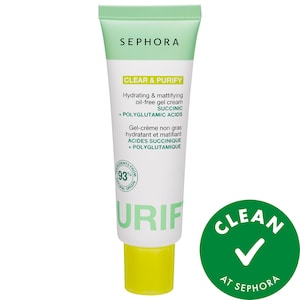 | Hydrating & Mattifying Oil-Free Gel Cream | Oily or shiny skin that wants a lighter feel | May not comfort dry cheeks enough |
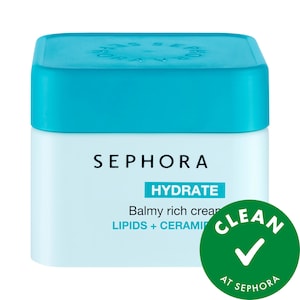 | HYDRATE Balmy Rich Cream | Dry skin, night comfort, richer barrier support | Can feel too heavy for oily or congestion-prone skin |
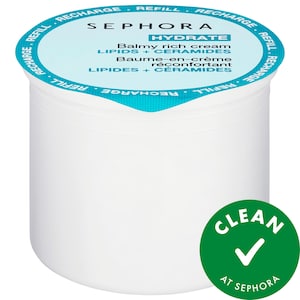 | HYDRATE Satin Light Cream | Simple daily hydration without the green-tint angle | Less useful if redness correction is the reason you are shopping |
That is the decision in plain English. If redness is the daily frustration, the soothing moisturizer is the more specific pick. If oil is the issue, the mattifying gel cream makes more sense. If dryness is the issue, the balmy cream or satin cream may be easier to repeat.
If you have acne-prone skin
Acne-prone skin can still need moisturizer.
The American Academy of Dermatology says acne treatments can dry and irritate skin, and that moisturizer can help skin tolerate acne treatment. It also recommends looking for language like oil-free, non-comedogenic, or won't clog pores when choosing products for acne-prone skin.
This Sephora moisturizer is not the first product I would choose for very oily acne-prone skin, because it is more of a soothing cream than a matte gel. But I would not automatically rule it out for combination skin with redness and mild breakouts, especially if harsh acne products are making the face tight.
The test is pattern-based. If clogged bumps appear in the same zones after repeated use, respect that. If one pimple appears during your normal breakout week, that is not enough evidence. Keep the rest of the routine stable so you can actually tell.
If you have sensitive skin
Sensitive skin needs fewer surprises.
That means patch testing, slow introduction, and no full-routine overhaul. Use it on one area for a few days if you are cautious. Then use a thin layer once daily. Do not add a new exfoliant, retinoid, cleanser, sunscreen, and moisturizer in the same week.
I would pay attention to burning more than temporary coolness. A brief sensation can happen with some products. Persistent burning, swelling, hives, or rash-like redness is different. Stop and get appropriate care if the reaction feels wrong.
The point of a soothing moisturizer is to make the routine feel less dramatic. If it makes the routine more dramatic, it is not the right fit.
What I would not expect from it
I would not expect it to erase redness.
I would not expect it to replace sunscreen.
I would not expect it to treat rosacea.
I would not expect it to rebuild a damaged barrier overnight.
I would not expect it to perform like a full-coverage color corrector.
Those limits are not insults. They are how you avoid disappointment. A $20 moisturizer can be a very good daily helper without pretending to be medical care, makeup, and barrier therapy in one tube.
How I would test it for two weeks
I would make the test boring.
Week one:
- Use it in the morning only.
- Keep cleanser, sunscreen, and treatments the same.
- Apply a thin layer.
- Check daylight finish before leaving.
- Track tightness, redness, stinging, shine, and makeup behavior.
Week two:
- Keep using it if week one was calm.
- Try it under your normal makeup if you wear makeup.
- Watch whether redness looks softer without needing more coverage.
- Stop if irritation builds or clogged bumps repeat in the same places.
Use Glass to log the product, photos, sunscreen pairing, and any irritation notes. The goal is not to obsess over your face. The goal is to stop relying on memory, because memory gets messy when three products change at once.
The mistakes I would avoid
The first mistake is using too much. Tinted skincare usually looks best when it is thin. More product does not always mean more correction.
The second mistake is judging it without sunscreen. If it cannot live under SPF, it may not belong in your morning routine.
The third mistake is using it to ignore persistent redness. If your redness burns, stings, flakes, swells, or keeps returning, the answer may be less experimentation and more clarity from a clinician.
The fourth mistake is treating affordable as disposable. Even a $20 moisturizer can confuse your routine if you test it badly.
My May 2026 verdict
I would buy Sephora Collection Soothing Moisturizer with Hyaluronic Acid if I wanted an affordable daytime moisturizer that hydrates, calms the feel of the skin, and makes mild redness look softer before sunscreen or makeup. The price is reasonable, the role is clear, and the green tint gives it a real reason to exist.
I would skip it if my skin needed a rich night cream, if green-tinted products usually look wrong on me, or if my redness seemed medical rather than cosmetic. I would also skip it during an active irritation flare, because that is the worst time to judge a new product.
The best use case is simple: normal, dry, or combination skin that wants the face to look a little calmer without adding a separate color-correcting step.
Bottom line
Sephora Collection Soothing Moisturizer with Hyaluronic Acid is not the most dramatic moisturizer on the shelf. That is part of its appeal.
It hydrates, leans soothing, and uses a green tint to make redness look less obvious. I would place it in the morning, test it under real sunscreen, use less than instinct says, and judge whether the skin looks calmer in daylight.
If it makes your routine easier, it earns the spot. If the tint looks off or the comfort is not enough, move to a clearer lane: oil-free gel for shine, richer cream for dryness, or clinician care for redness that keeps acting like a condition instead of a cosmetic concern.
Useful references: Sephora Collection Hydrating & Mattifying Oil-Free Gel Cream, AAD on moisturizer and acne-prone skin, AAD acne-prone skin care, and INCIDecoder ingredient listing for Sephora Collection Soothing Moisturizer.