
$54 is not an impulse moisturizer.
That was my first thought.
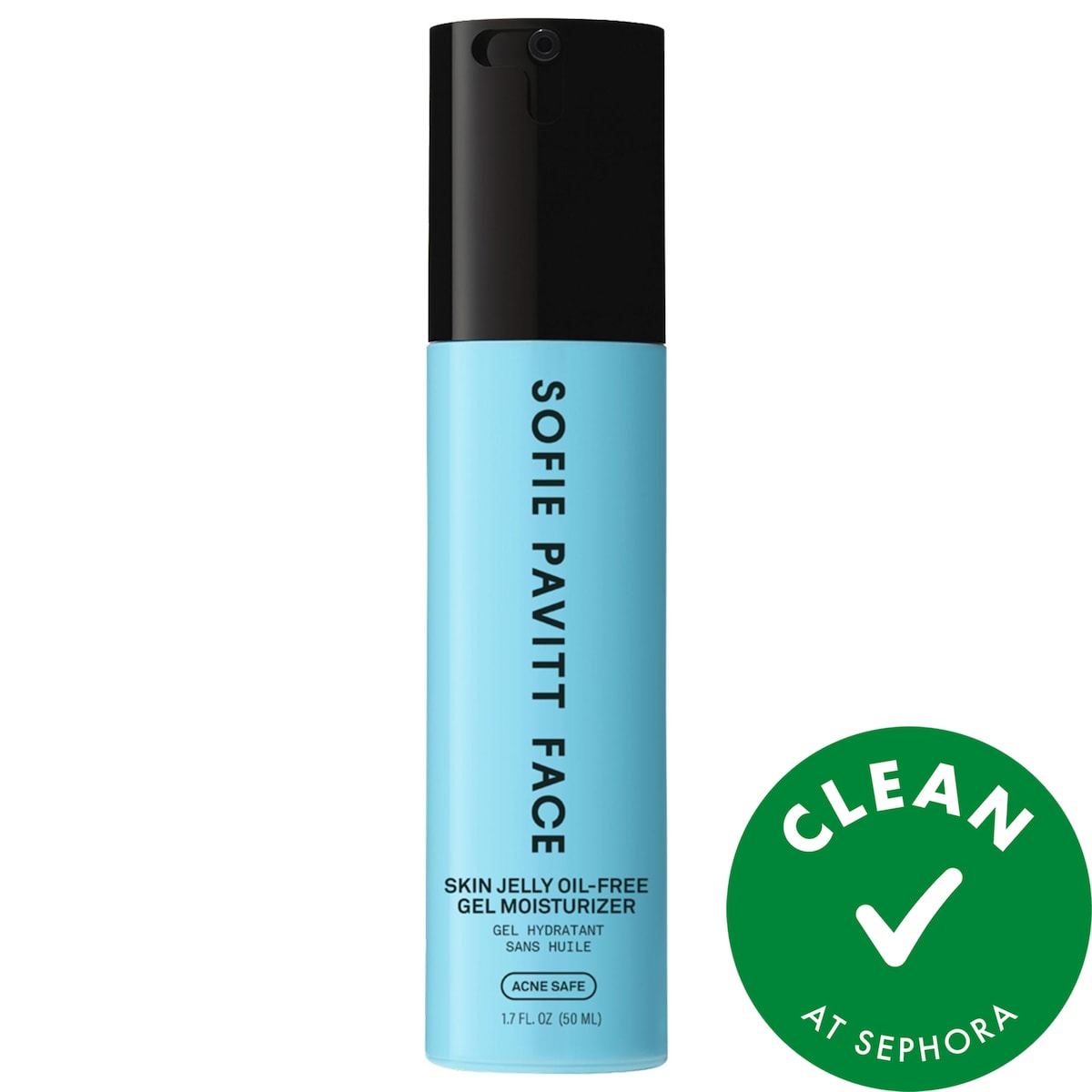
Not because Sofie Pavitt Face Skin Jelly Oil-Free Gel Moisturizer looks unreasonable. It actually looks very focused. But a moisturizer for acne-prone, oily, or combination skin has to clear a different bar than a pretty comfort cream. It has to hydrate without making the face feel coated. It has to sit under sunscreen. It has to avoid the greasy panic that makes people skip moisturizer altogether.
The reviews are strong, but the useful part is not the number by itself. The useful part is the pattern: people keep talking about lightness, less greasiness, makeup layering, and that rare feeling of hydration without a heavy cream sitting on top of the face. Those are the exact signals I care about with an oil-free gel moisturizer because they tell you how it behaves after the sink moment is over.
As of May 2026, Skin Jelly is listed at $54 for 1.69 oz / 50 mL at Sephora and on Sofie Pavitt Face's own site. Sephora shows it with more than 170 reviews, a strong review average, and customer callouts around a light feel, lower greasiness, and satisfaction. Sofie Pavitt Face describes it as an oil-free gel moisturizer made for normal-to-oily and acne-prone skin.
The short version: I would consider Skin Jelly if your skin is oily, combination, or acne-prone but still gets tight, dehydrated, or irritated from treatment products. I would skip it if your skin needs a rich cream, if you already have a lightweight moisturizer that behaves perfectly, or if you want a $54 product to replace acne treatment.
The real decision is not whether Skin Jelly sounds good. It does. The decision is whether your routine has the kind of moisturizer problem this jar is built to solve.
The quick price read
| Product | Image | May 2026 price signal | Best fit |
|---|---|---|---|
| Sofie Pavitt Face Skin Jelly |  | $54 for 1.69 oz / 50 mL | Oily, combination, and acne-prone skin that wants weightless hydration |
| The INKEY List Omega Water Cream |  | Lower-cost oil-free moisturizer lane | Budget-sensitive oily skin routines |
| Skinfix Barrier Gel Cream |  | Barrier-support gel cream lane | Skin that wants a more repair-focused gel-cream |
| LANEIGE Water Bank Cream | 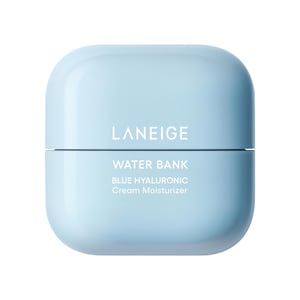 | Cushier hydration lane | Normal-to-dry skin that wants more cream than jelly |
That table is the decision.
Skin Jelly is not the cheapest way to moisturize oily skin. It is the more specific way. You are paying for a gel texture, an oil-free acne-prone positioning, a satin finish, and ingredients that try to hydrate while keeping the skin from feeling slick.
If that is exactly the hole in your routine, the price is easier to understand. If you just need any moisturizer, the price gets harder to defend.
I would not buy it because the jar is new. I would buy it because the old pattern keeps repeating: your skin feels tight when you skip moisturizer, greasy when you use cream, and annoyed when you try to solve both problems with more acne treatment.
What the reviews actually point to
I would read the Sofie Pavitt Skin Jelly reviews less like a popularity contest and more like a texture report.
The strongest positive signal is consistency. The people who seem happiest are not describing a rich, cocooning cream. They are describing a moisturizer that feels light, settles without obvious grease, and makes acne-prone or combination skin feel less punished for needing hydration.
That matters because this is the exact category where review averages can mislead you. A dry-skin reviewer may call it too light. An oily-skin reviewer may call that same finish perfect. A makeup wearer may care more about pilling than overnight comfort. Someone using mandelic acid, benzoyl peroxide, tretinoin, or a prescription routine may care more about whether the moisturizer calms tightness without adding a slick film.
The useful review pattern looks like this:
| Review signal | What it usually means in real life |
|---|---|
| "Light" | Better odds under sunscreen, makeup, or humid weather |
| "Not greasy" | More promising for oily and combination skin |
| "Hydrating" | Helpful if acne treatment leaves skin tight |
| "Makeup-friendly" | Worth testing in the morning, not only at night |
| "Too light" | A warning sign for dry cheeks, winter skin, or barrier repair |
That is why I would not judge Skin Jelly only by stars. I would judge it by whether the review language matches the problem you are actually trying to solve.
What the product is trying to do
Skin Jelly is trying to solve a very common problem: oily skin that still needs moisture.
That sounds simple until you live with it. Your forehead gets shiny by noon, but your cheeks feel tight after washing. You use acne treatment at night, then wake up dry around the mouth. You buy a gel cream, but it disappears too fast. You buy a richer cream, and two days later you are watching for new closed comedones.
This is the lane where Skin Jelly makes sense. It is not positioned as a barrier balm. It is not positioned as a matte primer. It is not positioned as a heavy night cream. It is a lightweight gel moisturizer for normal-to-oily and acne-prone skin, with a texture that is supposed to hydrate without feeling greasy.
That is a useful job.
It is also a narrow job. Narrow is not bad. Narrow is often better in skincare. The trouble starts when a narrow product gets expected to fix every concern on the face.
The ingredient story in plain English
The ingredient list reads like a hydration-and-balance formula, not a harsh acne formula.
The hydration base includes glycerin, butylene glycol, methylpropanediol, panthenol, sodium hyaluronate, sodium PCA, beta-glucan, and allantoin. Those are the names I would notice if my skin felt dehydrated from cleansing, acne treatment, dry weather, or too many "oil-control" products.
The oil-control and blemish-prone angle comes from zinc PCA and copper PCA. These do not turn the moisturizer into a prescription acne treatment. They make more sense as support ingredients in a formula meant for skin that gets oily, inflamed-looking, or easily congested.
Centella asiatica extract, beta-glucan, allantoin, and panthenol also give the formula a calmer feel on paper. If your routine already includes mandelic acid, salicylic acid, benzoyl peroxide, retinoids, or prescription acne care, that matters. The moisturizer step should not keep picking a fight with your treatment step.
The formula is oil-free. That does not guarantee it will work for every acne-prone person, because no label can promise that. But it does tell you the product is built for people who are cautious around richer oils and heavy creams.
That distinction matters. Oil-free is a useful clue, not a guarantee. Non-comedogenic language is also a useful clue, not a promise that your exact face will love it. I would still test it like a new product, especially if closed comedones are the thing that usually makes you abandon moisturizers.
The review signal I care about
I care less about the star rating and more about the pattern behind it.
Sephora's product page showed a high review average and more than 170 reviews when I checked it in May 2026. Sofie Pavitt Face's own site describes the product as lightweight, breathable, makeup-friendly, and calming-looking for redness. Shop app listings also show a broader buyer signal around the brand, with Skin Jelly appearing in a high-rated Sofie Pavitt Face store context.
That is useful, but I would not read it as proof that the product is universal.
The better takeaway is this: the product seems to be landing with the exact person it was made for. People want a moisturizer that feels light, does not leave them greasy, and does not make acne-prone skin feel trapped under a film.
That is also where I would stay honest. If your skin is dry in a deep, cream-hungry way, a jelly texture may not be enough. If your skin gets oily only in the T-zone but your cheeks need real cushion, you may need to use it selectively or choose a different moisturizer altogether.
Who I think Skin Jelly is actually for
I would put Skin Jelly in the routine of someone who says:
- my skin is oily but still dehydrated
- moisturizer often makes me shiny or nervous
- acne treatments make my face tight
- I want something that works under makeup
- I hate heavy creams
- I break out easily when products feel rich
- I want hydration without a dewy film
That person has a real reason to look at it.
The "acne-prone but dehydrated" problem is especially important. The American Academy of Dermatology notes that people with acne may still need moisturizer, and that acne treatments can dry the skin. That lines up with what a lot of people feel: the face can be oily and still uncomfortable.
Skipping moisturizer is not always the fix. Sometimes it makes the routine harsher. Sometimes it makes sunscreen sit worse. Sometimes it makes acne treatment feel unbearable by week two.
Skin Jelly is not the only answer, but it is aimed at the right problem.
Who should skip the $54 jar
I would skip Skin Jelly if your skin already loves a cheaper gel moisturizer.
That is the boring truth. If your current moisturizer keeps your skin calm, layers under sunscreen, does not clog you, and costs less, there is no moral victory in upgrading just because a new jar looks cleaner on the shelf.
I would also skip it if:
- your skin is very dry and needs a richer cream
- you want a moisturizer to clear active acne by itself
- you are irritated, burning, peeling, or reacting to everything
- you prefer a matte, powdery finish
- you use heavy actives and need a true recovery cream
- your budget makes $54 feel stressful
That last point matters. Skincare should not make you anxious. A product can be good and still be the wrong purchase for your life.
If your face is actively irritated, I would simplify before buying a new acne-safe launch. Cleanser, moisturizer, sunscreen, and fewer actives. Once the skin calms, then decide whether you need a more specific gel moisturizer.
The texture question
Jelly moisturizers can be strange the first time.
They can look bouncy, feel wet, then set down faster than a cream. Some people love that because it avoids the suffocating feeling of richer moisturizers. Other people find it less comforting because they want a cream to feel like a cushion.
Skin Jelly is supposed to leave a satin finish, not an oily or greasy finish. That matters for morning routines. A moisturizer can be beautiful at night and annoying under sunscreen. If it makes SPF pill, slide, or look shiny by noon, it is not your best daytime product even if it feels nice at the sink.
I would judge the texture in three places:
- On bare skin after cleansing.
- Under sunscreen.
- Under makeup, if you wear it.
Do not decide from a hand swatch. Hands lie. They do not have the same oil pattern, acne pattern, sunscreen layering, or makeup behavior as your face.
If I were testing only one thing from the reviews, it would be the sunscreen layer. A moisturizer can feel perfect at night and still fail the morning if it makes SPF pill around the nose, roll near the jaw, or turn shiny before lunch. Skin Jelly's whole promise is more compelling if it behaves in the part of the routine where oily and acne-prone skin usually gets annoyed.
The sunscreen test matters most
This is where I would be strict.
Skin Jelly can feel beautiful on clean skin and still be the wrong daily moisturizer if it fights your sunscreen. Morning skincare is not judged in isolation. It is judged after SPF, after makeup if you wear it, after heat, after a commute, after touching your face without thinking.
I would test it with the sunscreen you already own. Not the sunscreen you hope will make the routine perfect someday. Use your normal amount of Skin Jelly, let it settle, then apply your usual SPF. Watch what happens around the nose, between the brows, on the cheeks, and near the jaw.
| What happens | What I would do |
|---|---|
| SPF sits smoothly and shine stays reasonable | Keep testing in the morning |
| SPF pills or rolls | Use less Skin Jelly, wait longer, or move it to night |
| Face feels tight by noon | Pair it with a more comfortable SPF or use a richer cream on dry zones |
| T-zone gets shiny fast | Try less product in the center of the face |
| Cheeks feel good but forehead feels coated | Zone it instead of forcing one amount everywhere |
That is the practical way to read a moisturizer review. The question is not whether someone loved it on first application. The question is whether it survives the actual routine you are asking it to live inside.
How I would test it for one week
I would test Skin Jelly like a routine variable, not like a miracle.
Days 1 and 2: night only
Use it after cleansing, with no new serums, masks, or acne treatments added that week. If you already use a treatment your skin tolerates, keep it steady. The question is whether Skin Jelly makes the routine feel more comfortable without new bumps, burning, or tightness.
Days 3 and 4: morning under sunscreen
Use a controlled amount. Sofie Pavitt Face suggests three pumps, but your face may not need the same amount everywhere. Let it settle before sunscreen. Watch the center of the face, around the nose, and the jawline.
Days 5 through 7: place it where it works
Combination skin does not need equal treatment everywhere. You may love Skin Jelly on the T-zone and need a richer cream on the cheeks. You may like it in the morning and need something thicker at night. That is not failure. That is routine fit.
Track the boring signals:
| Signal | What I would watch |
|---|---|
| Tightness | Does skin feel less tight after cleansing or acne treatment? |
| Shine | Does the face look balanced or greasy by midday? |
| New bumps | Are closed comedones showing in your usual clog zones? |
| Sunscreen | Does SPF pill, slide, or sit better? |
| Makeup | Does base makeup cling less or break apart faster? |
| Comfort | Do you actually want to use it every day? |
That last line is underrated. A moisturizer that you avoid using is not your moisturizer.
Skin Jelly versus cheaper oil-free moisturizers
The cheaper route is real.
The INKEY List Omega Water Cream sits in the oil-free moisturizer lane at a lower price point. If your main requirement is lightweight hydration without heaviness, starting there can make sense. You may not need the more expensive jar.
Skin Jelly becomes more interesting if you specifically want the Sofie Pavitt Face acne-prone positioning, the zinc and copper PCA angle, and a jelly texture designed to sit under makeup without grease.
That does not make it automatically better. It makes it more targeted.
If you are new to oil-free moisturizers, I would not start by assuming the $54 product is the only serious option. I would start by asking what failed before. Was the last moisturizer too greasy? Not hydrating enough? Pilling under sunscreen? Breaking you out? Stinging over treatment?
The answer points you toward the right texture faster than price does.
Skin Jelly versus richer moisturizers
Skin Jelly is not trying to be a rich cream.
That is where I would be careful with expectations. If your skin feels dry, flaky, and underfed, a gel moisturizer may feel elegant but incomplete. You may need lipids, more occlusive support, or a richer night cream.
Sofie Pavitt Face also sells Omega Rich Moisturizer for normal-to-dry acne-prone skin. That product is in a different lane. The existence of both products is a clue: not every acne-prone person needs the same moisturizer.
If you are oily in the center but dry on the edges, you may need both categories in different zones. Skin Jelly where you get shiny. Richer cream where you get tight. That kind of placement can be more useful than forcing one product to cover every square inch equally.
Skin Jelly versus Omega Rich
Sofie Pavitt Face having both Skin Jelly and Omega Rich Moisturizer makes the choice easier, not harder.
Skin Jelly is the lighter oil-free lane. Omega Rich is the richer comfort lane. If your face is oily by lunch and every cream makes you feel coated, Skin Jelly is the cleaner first test. If your acne-prone skin is dry, flaky, tight, or using prescription actives that leave you uncomfortable, Omega Rich may be the more realistic night moisturizer.
I would not treat one as the upgrade and the other as the beginner version. They solve different problems.
| If your skin says this | I would start with |
|---|---|
| "I need moisture but hate cream" | Skin Jelly |
| "My acne routine dries me out but I still get oily" | Skin Jelly in the morning, richer support at night if needed |
| "My cheeks are dry and my face feels fragile" | Omega Rich or another richer moisturizer |
| "I want one light layer before sunscreen" | Skin Jelly |
| "I need cushion more than oil control" | Omega Rich |
That split is also why I would not judge Skin Jelly by whether it fixes dry winter skin. It is not built like that. Judge it by whether it makes lightweight moisture easier to repeat.
The acne-prone skin trap
The trap is thinking acne-prone means scared of moisture.
I understand why people do it. You break out. You look shiny. You assume anything hydrating will make it worse. Then you strip the skin, use stronger actives, skip moisturizer, and wonder why every treatment feels too harsh.
Acne-prone skin can still need barrier support. It can still be dehydrated. It can still get irritated from over-cleansing and over-treatment. The goal is not to make the face as dry as possible. The goal is to make the routine tolerable enough that the actual acne treatment can work.
That is where a product like Skin Jelly earns its spot. It gives acne-prone skin a moisturizer that does not feel like surrendering to grease.
The biggest mistake with Skin Jelly
The biggest mistake would be using Skin Jelly as permission to overdo the rest of the routine.
Do not buy a calming gel moisturizer and then stack it with a new cleanser, a new exfoliating serum, a new retinoid, a peel pad, and a drying mask in the same week. You will not know what helped. You will not know what irritated you. You will only know that your face is now sending mixed signals.
Keep the test clean.
If Skin Jelly is new, let it be the new thing. Give it a week with a stable routine. If your skin improves, you learned something. If it clogs or stings, you learned something. If nothing changes, you learned something too.
Good skincare decisions usually come from clean tests, not crowded shelves.
What would make me return it
I would return or stop using Skin Jelly if the pattern got worse in a clear way.
Not one random pimple. Not one shiny afternoon after bad sleep and a heavy sunscreen. A pattern.
The return signals I would take seriously:
- new closed comedones in the same zones after several uses
- repeated stinging on normal, unbroken skin
- sunscreen pilling no matter how little product I use
- tight cheeks that never feel comfortable
- a finish that makes me avoid applying enough sunscreen
- the feeling that I need another moisturizer on top every single time
That last one is important. If Skin Jelly only works when you rescue it with a second cream every day, it may not be the right primary moisturizer. It can still be useful as a morning gel, a T-zone layer, or a warm-weather product, but it may not be the one jar that carries the whole routine.
The review I would ignore
I would ignore any review that treats Skin Jelly like it should be everything.
It is not a deep winter cream. It is not an acne medication. It is not a mattifying primer. It is not a replacement for sunscreen. It is not a barrier-repair balm for skin that is burning, peeling, and begging for a break.
It is an oil-free gel moisturizer.
That sounds obvious, but it keeps the decision sane. If someone wanted plush comfort and got a light gel, their disappointment may be real without being relevant to you. If someone wanted a grease-free hydrator and got exactly that, their praise may be more useful. The best review is the one written by someone with your skin type, your climate, and your routine pressure.
That is also why I like comparing Skin Jelly against its neighbors instead of judging it alone. Against a cheaper oil-free gel, the question is whether the texture and acne-prone positioning justify the premium. Against Skinfix Barrier Gel Cream, the question is whether you want more repair language. Against Laneige Water Bank, the question is whether your face wants cushion more than oil control.
Once you know which comparison matters, the reviews get easier to read.
Where Glass fits into the decision
Glass is useful for this kind of product because the question is not just "is it good?"
The better question is "what happened when I added it?"
Use Glass to track the start date, routine slot, amount, sunscreen pairing, makeup behavior, new bumps, and tightness. Add a progress photo in the same lighting once or twice a week. Do not take ten close-ups a day. That turns product testing into anxiety.
If you are building a full routine around acne-prone skin, start with best skincare routine app or how to know if your skincare routine is working. If your main confusion is product order, morning and night skincare routine order is the cleaner next step.
The point is to stop guessing. A $54 moisturizer should have to prove its role.
My bottom line
Sofie Pavitt Face Skin Jelly is not a cheap moisturizer, and I would not treat it like a casual add-on.
I would consider it if my skin were oily, combination, acne-prone, treatment-dried, or easily congested by richer creams. The ingredient list makes sense for lightweight hydration, the product positioning is clear, and the review pattern suggests it is resonating with people who want moisture without grease.
I would skip it if my skin needed a richer recovery cream, if my current moisturizer already worked, or if I expected it to replace acne treatment.
The cleanest decision is simple: buy it only if your routine has a real moisturizer problem. Test it for a week. Let your skin's pattern decide whether the $54 jar earns a permanent spot.
Useful product and skin-care references: Sofie Pavitt Face Skin Jelly, Sephora Skin Jelly listing, Shop app Skin Jelly listing, Who What Wear Skin Jelly review, and AAD on moisturizer for acne-prone skin.