Rich cream is easy to buy for the wrong reason.
Your skin feels tight.
Your barrier feels annoyed.
Your moisturizer disappears too fast, so the obvious answer looks like a heavier jar.
Sometimes that is right. Sometimes it just gives you a shiny layer over skin that still feels uncomfortable underneath.
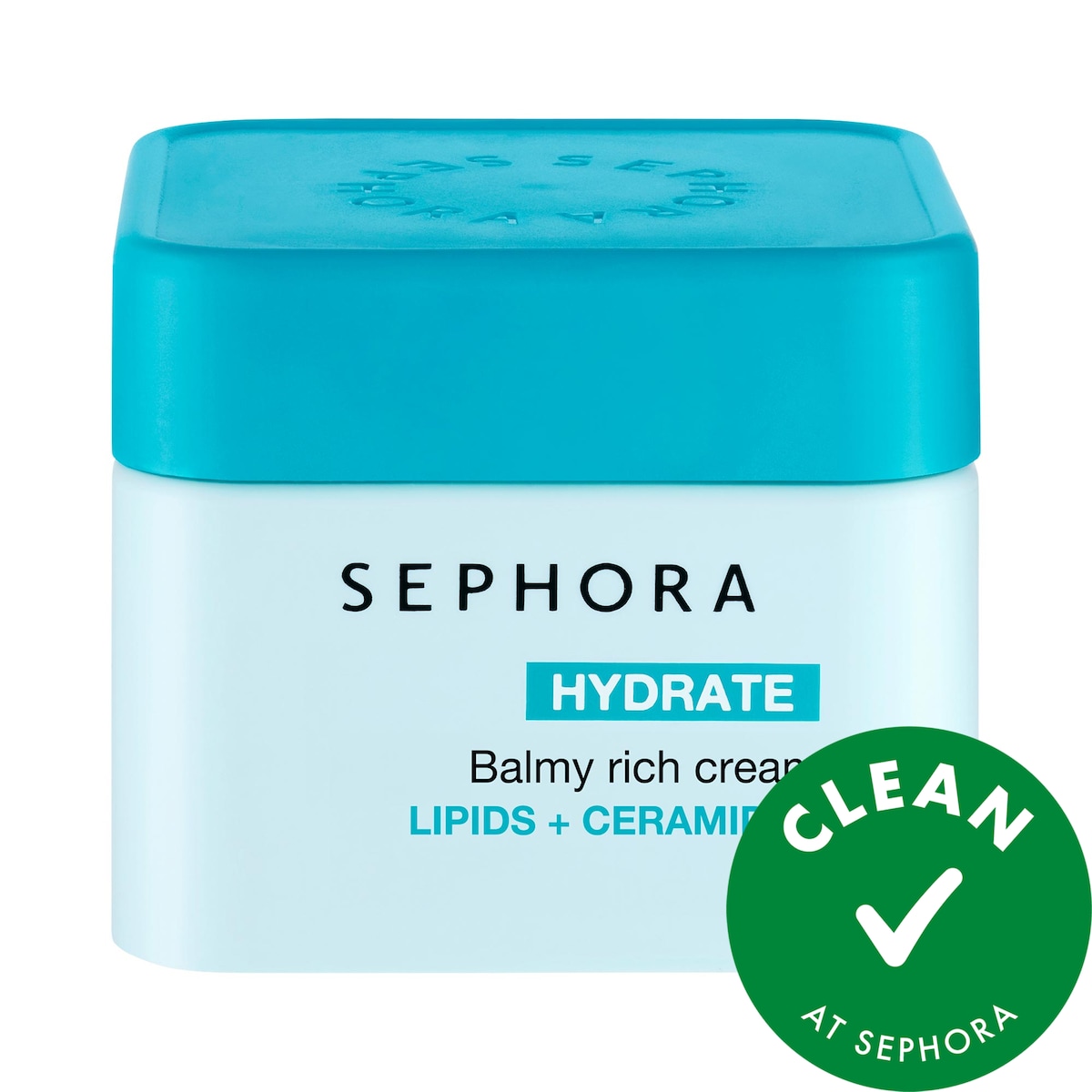
That is the tension with SEPHORA COLLECTION HYDRATE - Balmy Rich Cream with Lipids + Ceramides in May 2026. It is affordable, barrier-coded, and priced low enough that it feels like a harmless add-to-cart. The reviews make it sound like an easy dry-skin win, but the texture matters. The routine matters. Your skin type matters more than the word "ceramides" on the label.
I would judge this cream by one question:
Does your skin need a richer final layer, or are you trying to make one moisturizer fix a routine that is already too irritating?
For dry skin, night routines, and barrier-support moments, this cream makes sense. For very oily skin, acne-prone skin that clogs easily, or daytime routines under heavy sunscreen, I would be more careful. The useful part of the review pattern is not "everyone loves it." It is that the people who like it usually needed a richer last step, not another lightweight hydrator.
The quick answer
Sephora Collection Hydrate Balmy Rich Cream is worth considering if your skin is dry, tight, flaky, or using treatments that make your usual moisturizer feel too light. It is a better night-cream candidate than a universal daytime moisturizer, especially if sunscreen, makeup, or oil control matter to you.
I would skip it if you hate a rich finish, break out from heavier creams, already use a thick balm or face oil, or need something weightless under SPF.
If you are reading reviews before buying, sort them by skin type in your head. A dry-skin review that praises the cushion tells you something. An oily-skin review that calls it too heavy also tells you something. Those two people may both be right.
Here is the cleanest read:
| If your skin feels like... | My take on Balmy Rich Cream |
|---|---|
| Dry by bedtime even after moisturizer | Worth testing at night |
| Tight after retinoids or exfoliating acids | Useful if you simplify the rest of the routine |
| Normal but a little dehydrated | Possibly too much unless used only on dry zones |
| Oily by lunch | Better to choose a lighter gel cream |
| Sensitive and burning from everything | Pause new products first |
| Flaky around mouth or nose | Useful as a targeted final layer |
The cream is not complicated. The decision around it is.
What this cream is trying to be
This is not a water cream.
It is not a gel moisturizer.
It is not a barely-there daytime lotion.
Sephora positions it as a rich cream with lipids and ceramides for dryness and barrier support, with a price range around $17 to $20 depending on size or refill format. The current product data shows a strong review base for a newer Sephora Collection moisturizer: a rating around 4.4 with more than 170 reviews, plus visibility in moisturizer, barrier cream, ceramide moisturizer, and night cream shopping paths.
That tells me people are not only treating it like a basic cream. They are treating it like a budget barrier product.
That is the right category.
The mistake would be expecting it to behave like a featherlight all-skin-types moisturizer. A cream with squalane, emollients, fatty alcohols, lipids, cholesterol, and multiple ceramide types is built to leave more comfort behind. That can feel amazing when your skin is dry. It can feel heavy when your skin already makes plenty of oil.
That is why I would not judge the product by rating alone. I would judge whether the positive reviews sound like your face. If they mention a richer night layer, dry patches, winter tightness, or skin that drinks up lighter creams too quickly, they are describing the right lane. If your routine needs something invisible by breakfast, those same compliments become warnings.
The texture is the whole decision
Balmy rich creams have a specific personality.
They do not vanish like a gel.
They usually need a little warming between the fingers. They spread with more cushion. They can make skin feel protected instead of just hydrated. That is exactly why dry skin people like them and oily skin people often abandon them after two uses.
I would not use this as a first moisturizer if you are still learning your skin type.
I would use it when you already know your current cream is not enough.
The best use cases are boring:
- cheeks feel tight by dinner
- moisturizer stings less when layered over a hydrating step
- retinoid nights need a softer ending
- winter air makes the usual routine collapse
- dry patches keep showing under sunscreen
- your barrier feels better with a richer final layer
If you are buying it because your face feels irritated after a strong routine, be honest. The cream may help. But it will not cancel out too many actives.
The ingredient story in plain English
The formula direction is easy to understand.
It starts with common hydrators and emollients: water, glycerin, caprylic/capric triglyceride, cetearyl alcohol, squalane, propanediol, and other texture builders. Then it adds barrier-identifying ingredients like ceramide NP, ceramide AP, ceramide EOP, cholesterol, phytosphingosine, hydrogenated lecithin, sunflower seed oil, and glycosphingolipids.
That combination points toward a cream that tries to do two things at once:
- Make dry skin feel less bare.
- Support the outer barrier with lipid-like ingredients.
Glycerin is the water-support piece.
Squalane and triglycerides give slip and comfort.
Fatty alcohols help the cream feel cushioned.
Ceramides, cholesterol, and related lipids fit the barrier-support story.
That does not mean it is magic. Ingredient lists are not guarantees. A formula can look barrier-friendly and still feel too heavy, too shiny, or wrong for your face. But on paper, this cream makes more sense than a lot of moisturizers that only say "hydrating" and then rely on a pretty texture.
Who I would buy it for
I would buy this for someone whose skin keeps saying, "I need a real final layer."
Not someone who wants a luxury experience.
Not someone who wants a matte finish.
Someone whose skin feels better when moisturizer has weight.
The best fit is dry skin that still feels tight after a lighter moisturizer. It also makes sense for combination skin when used only on cheeks, around the mouth, or on dry patches. I would especially consider it at night, because nighttime is when a richer finish bothers me least and gives the routine more room to be practical.
It also fits people using drying treatments, with one warning: do not use the cream as permission to keep overdoing the treatment.
If you use retinoids, exfoliating acids, benzoyl peroxide, or acne prescriptions, a rich cream can help the routine feel more tolerable. But if your skin is burning, peeling hard, or getting rashy, the answer may be fewer irritants, not just more cream.
Who should skip it
Skip it if you know rich moisturizers make you break out.
That sounds obvious, but people ignore it when a product has barrier language. A barrier cream can still be too occlusive for your skin. A ceramide cream can still feel wrong under sunscreen. A richer texture can still trap the feeling you dislike.
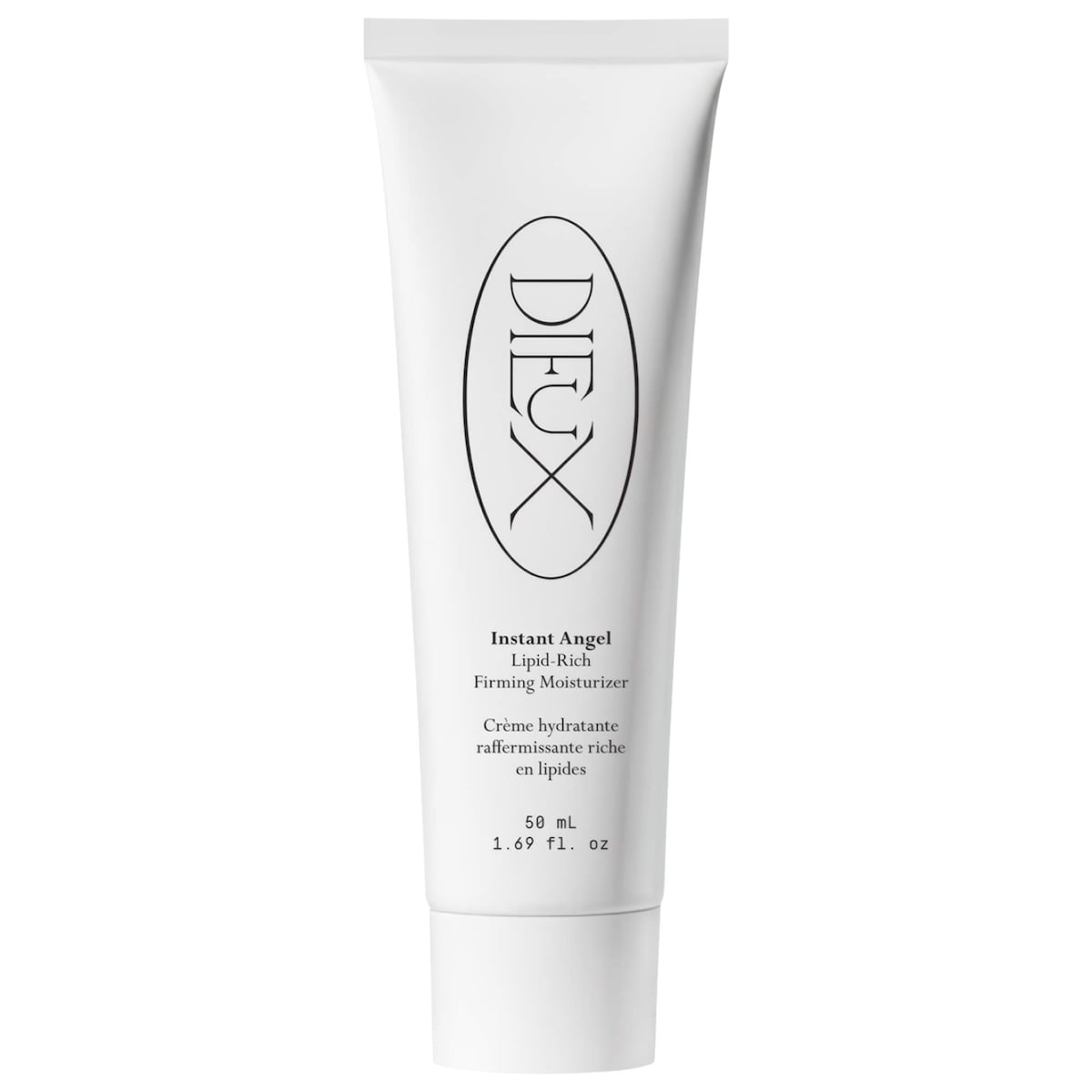
I would also skip it if you want a morning moisturizer for oily skin. Sephora Collection already has lighter options, and the Hydrating & Mattifying Oil-Free Gel Cream is a more logical first look for shine-prone routines.
Skip it if your routine already ends with an oil, sleeping mask, or balm. You may not need another rich layer.
And skip it if your face is actively reacting to everything. When skin burns from water, stings from bland moisturizer, or looks rashy, I would stop experimenting and simplify before adding a new cream just because the label sounds comforting.
How I would use it at night
Night is where this cream makes the most sense to me.
I would keep the routine simple:
- Gentle cleanser.
- Hydrating toner or serum only if you already tolerate it.
- Treatment only if it is part of a stable plan.
- Sephora Collection Balmy Rich Cream.
That is enough.
If you are using a retinoid, I would not add a new exfoliating toner in the same week. If you are using benzoyl peroxide, I would not add a peel pad because your moisturizer feels stronger now. If you are trying to repair a barrier, the routine needs fewer moving parts.
The cream should be the final comfort layer, not a license to keep stressing the skin.
How I would use it in the morning
I would be more selective in the morning.
If your skin is dry and you wear a comfortable sunscreen that sits well over richer creams, go ahead and test it. Use a small amount. Let it settle before sunscreen. Do not judge it on a rushed morning when every layer is sliding around.
If makeup pills over it, use less or move it to night.
If sunscreen looks greasy by lunch, use it only on dry zones.
If your skin feels protected but too shiny, that is not a moral failure. It just means this may not be your daytime cream.
A lot of moisturizers are better at one time of day than the other. This one reads more night-first to me.
How it compares to other Sephora Collection moisturizers
The Sephora Collection moisturizer lane is getting crowded enough that the choice needs a filter.
| Product | Image | Best role | My read |
|---|---|---|---|
| HYDRATE - Balmy Rich Cream with Lipids + Ceramides | 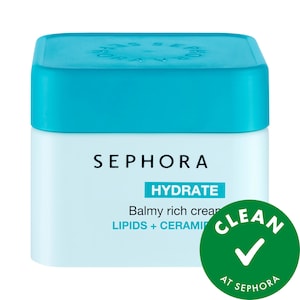 | Rich night cream for dry skin | Best when the routine needs a real final layer |
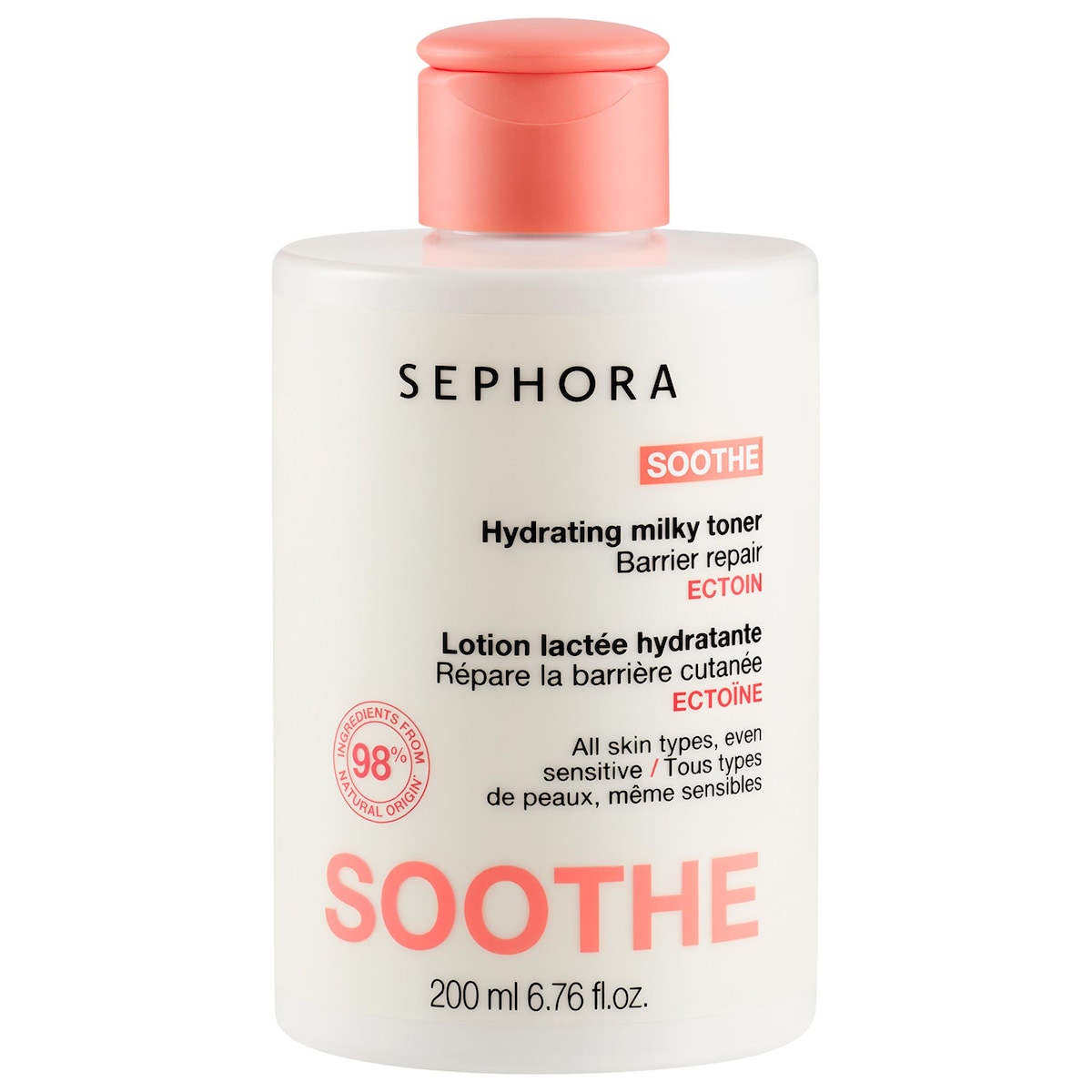
| Soothing Moisturizer with Hyaluronic Acid | 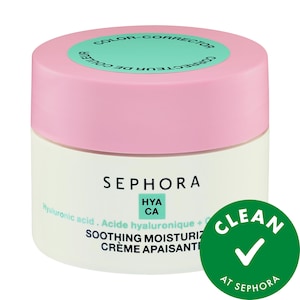 | Redness-softening daytime comfort | Better if visible redness is the main issue |
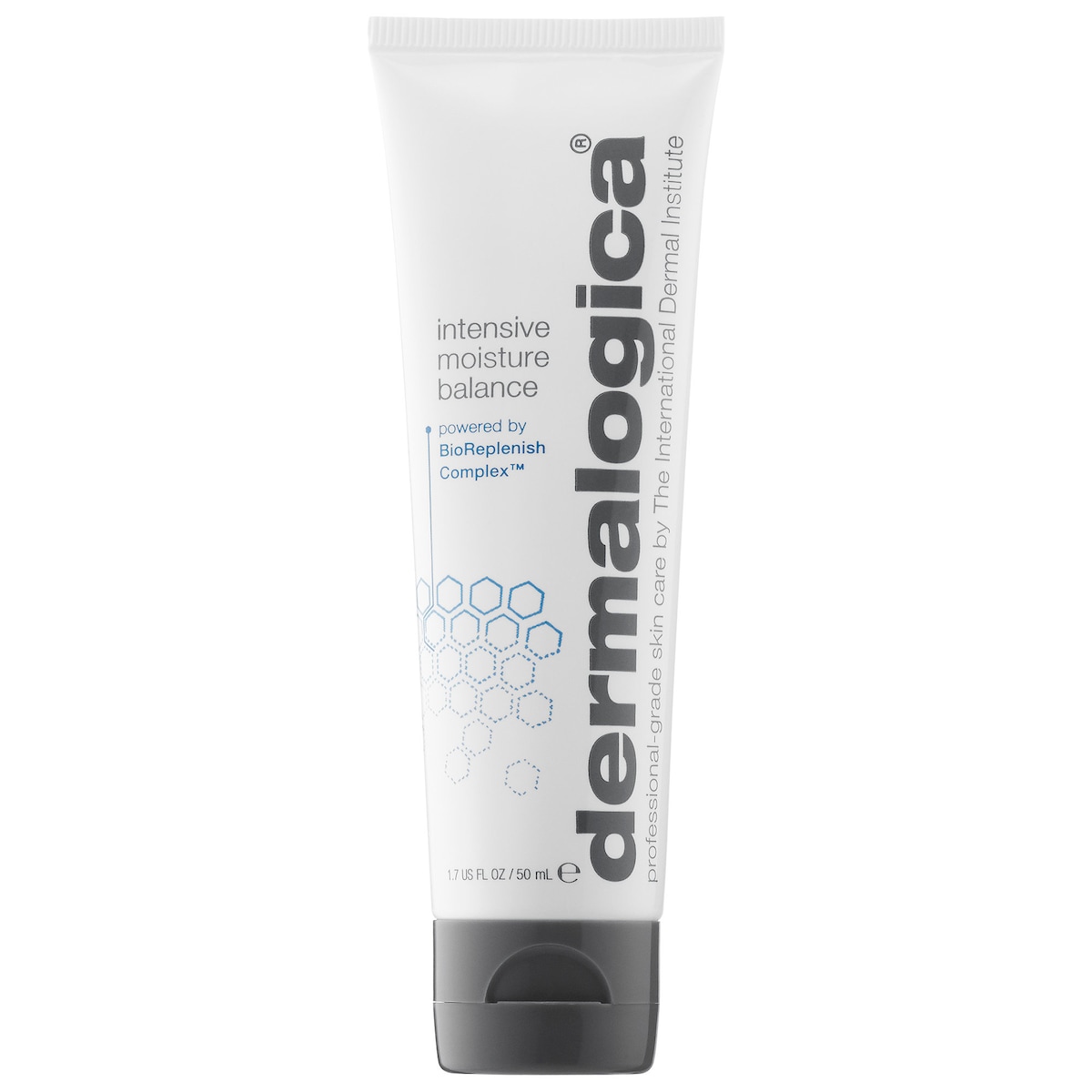
| Hydrate Satin Light Cream with Hyaluronic Acid | 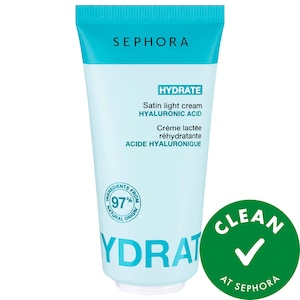 | Simple everyday hydration | Better if you want less weight |
| Hydrating & Mattifying Oil-Free Gel Cream | 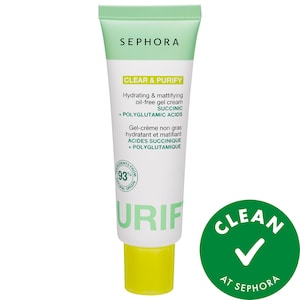 | Oily or shine-prone skin | Better if rich creams feel suffocating |
If your skin is dry, start with Balmy Rich Cream at night.
If your skin is red-looking and you want a smoother morning base, start with Soothing Moisturizer.
If your skin is normal and you just want a daily cream, start with Satin Light Cream.
If your skin gets oily fast, start with the Oil-Free Gel Cream.
That is the whole decision tree.
The review signal I would trust
I would not overread every review.
Moisturizer reviews are messy because people use them in totally different routines. One person applies it over a gentle cleanser and loves it. Another person applies it after retinol, vitamin C, an exfoliating toner, and a drying acne wash, then blames the cream for not fixing everything.
For this specific cream, I would read reviews through one filter: did the reviewer need richness, or did they only want comfort? Richness and comfort overlap, but they are not the same. Comfort means skin feels calmer. Richness means the cream has enough body to stay around as a final layer. Balmy Rich Cream is more interesting when both are missing.
The patterns I would care about are:
- Does dry skin describe lasting comfort?
- Do people call it rich in a good way or a bad way?
- Does it sit well under sunscreen or mostly work at night?
- Do acne-prone reviewers mention clogging?
- Do sensitive-skin reviewers mention stinging?
- Do people use it consistently after the first week?
- Do people use it on the whole face, or only on dry zones?
Sephora's customer tags point toward satisfaction, richness, and application. That lines up with what I would expect: texture and comfort are the main story.
I would treat the negative reviews as texture clues, not proof that the product is bad. A rich cream disappointing oily skin does not make it a bad rich cream. It may just mean the wrong person bought it.
The most useful negative review would be specific: "too heavy under sunscreen," "broke me out around the chin," "sat on top of my skin," or "felt great at night but not in the morning." That kind of review helps you decide placement. A vague "did nothing" review is less helpful unless the reviewer explains what they expected it to do.
How to test it for one week
Do not test it while changing three other things.
For one week, keep the routine boring:
- Use the same cleanser.
- Keep sunscreen the same.
- Do not start a new active.
- Use Balmy Rich Cream at night first.
- Add morning use only if night use feels good.
Track three things:
| What to watch | What it tells you |
|---|---|
| Morning tightness | Whether the cream is giving enough overnight comfort |
| New clogged bumps | Whether the texture may be too rich |
| Sunscreen or makeup behavior | Whether it belongs in the morning |
That test teaches more than a dramatic first impression.
If you use Glass, log it like a product change instead of relying on memory. Mark the start date, keep photos consistent, and note whether the skin feels calmer, heavier, shinier, or more congested after several uses.

What I would not expect from it
I would not expect it to erase redness.
I would not expect it to treat acne.
I would not expect it to replace sunscreen.
I would not expect it to repair a barrier while the rest of the routine keeps damaging it.
That last one matters most. Barrier products get overburdened in a lot of routines. People keep the harsh cleanser, the daily acid, the strong retinoid, the drying spot treatment, and then ask one cream to make the skin calm.
Sometimes the cream helps.
Sometimes the routine is the problem.
A better way to decide
Ask what job is currently missing.
If the routine lacks water, a hydrating toner or serum may matter more.
If the routine lacks a final seal, this cream becomes more interesting.
If the routine is too irritating, removing a step may help more than adding a step.
If the skin is oily and dehydrated, a gel cream plus better cleanser may beat a rich cream.
If dry patches are localized, use Balmy Rich Cream only there instead of turning the whole face glossy.
Moisturizer is not one category. It is several jobs pretending to be one category.
The bottom line
Sephora Collection Hydrate Balmy Rich Cream with Lipids + Ceramides is a practical, affordable rich cream for dry skin, night routines, and barrier-support moments. I would use it when a lighter moisturizer is not enough and the skin wants a more cushioned final layer.
I would not treat it as the safest pick for everyone. Very oily skin, easily clogged skin, and morning routines under sunscreen may do better with something lighter.
The product makes the most sense when you give it a clear role: comfort, cushion, and final-layer support.
Not a miracle.
Not a diagnosis.
Just a richer cream that belongs in the right routine.
Useful product and skin-care references: Sephora product listing, SkinSort ingredient breakdown, INCIDecoder ingredient overview, and AAD moisturizer guidance for acne-prone skin.