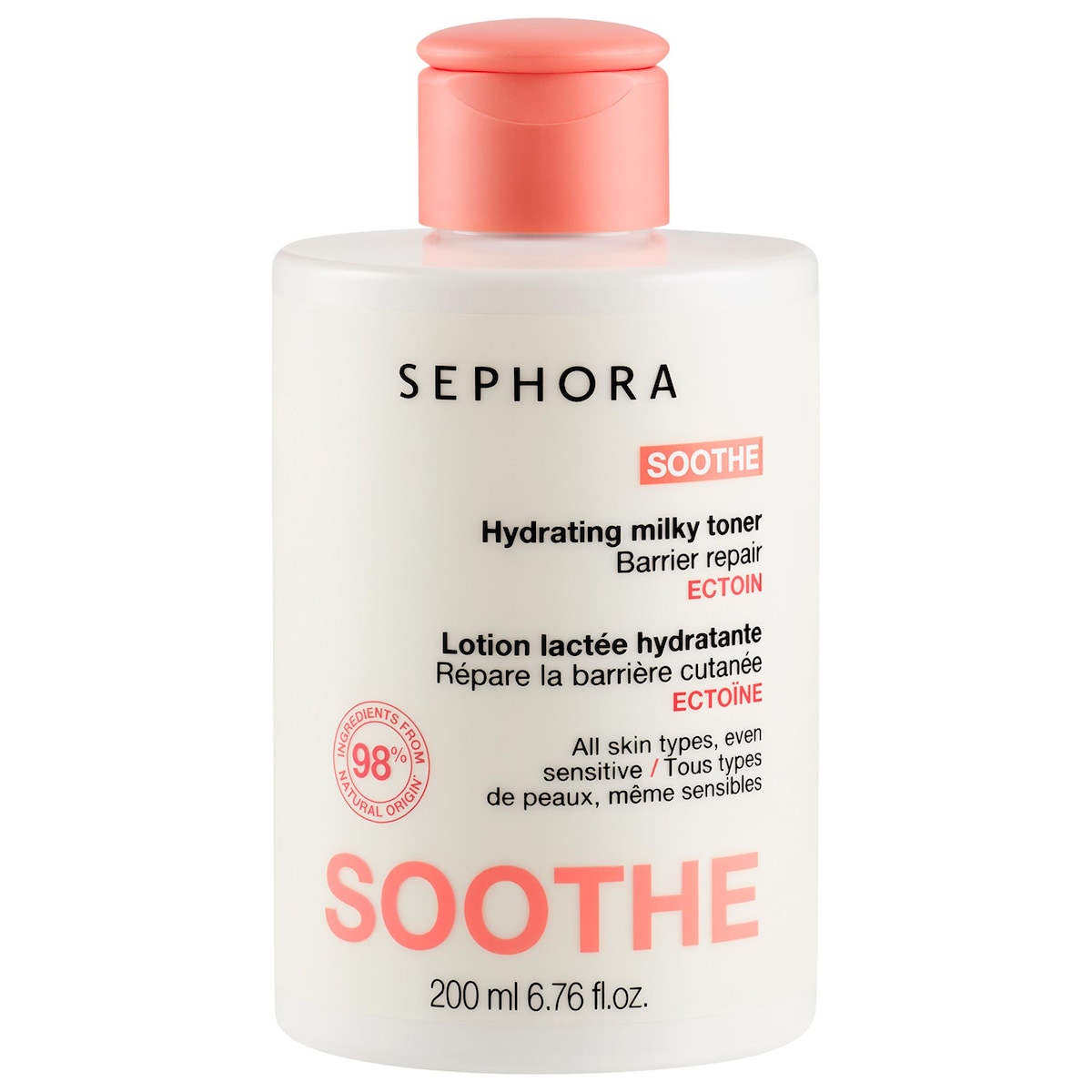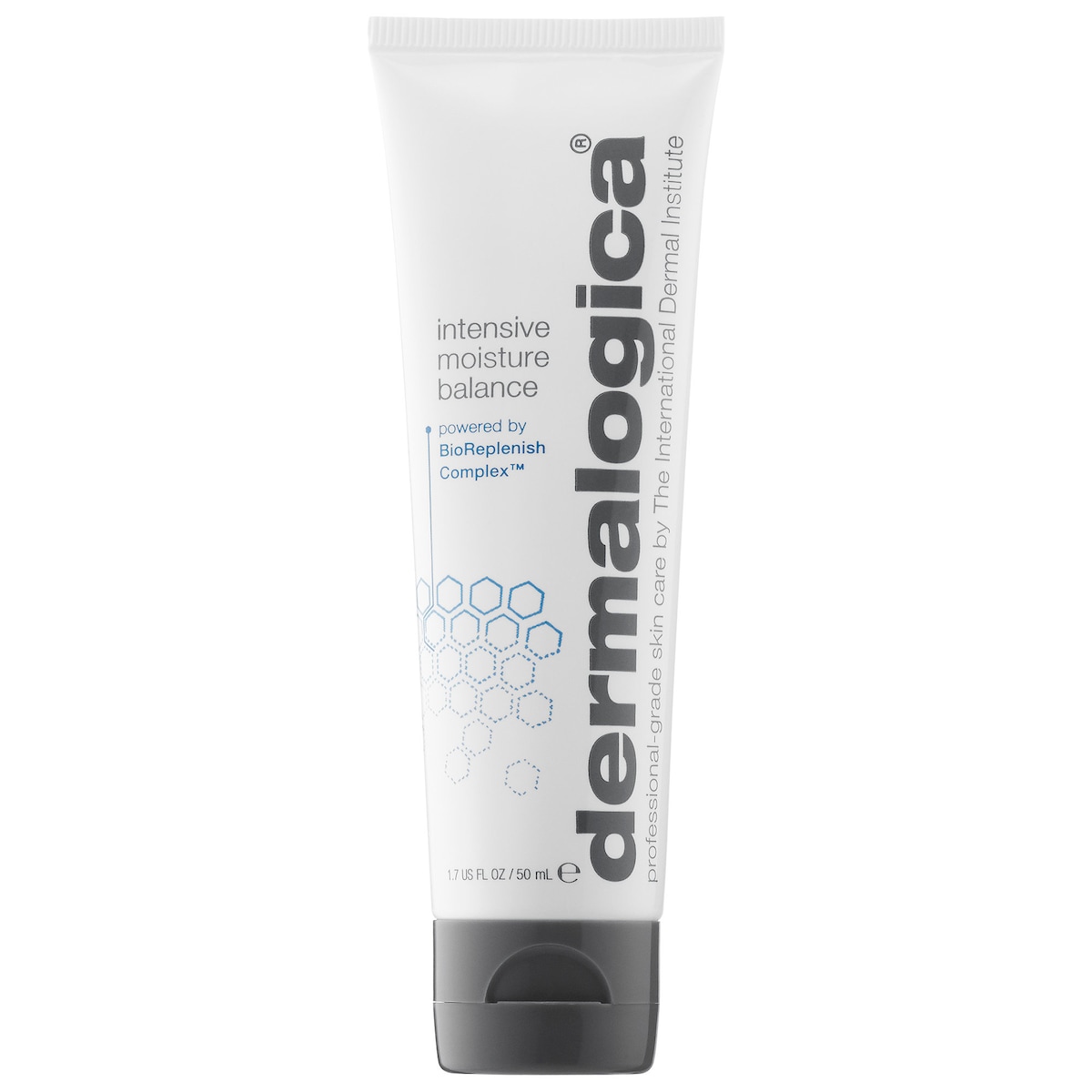
Skin can get loud fast.
One extra exfoliation night. One windy walk. One retinoid application you probably should have skipped. One cleanser that felt fine in the store and somehow made your cheeks feel like paper by morning.
That is when a normal moisturizer starts feeling too casual.
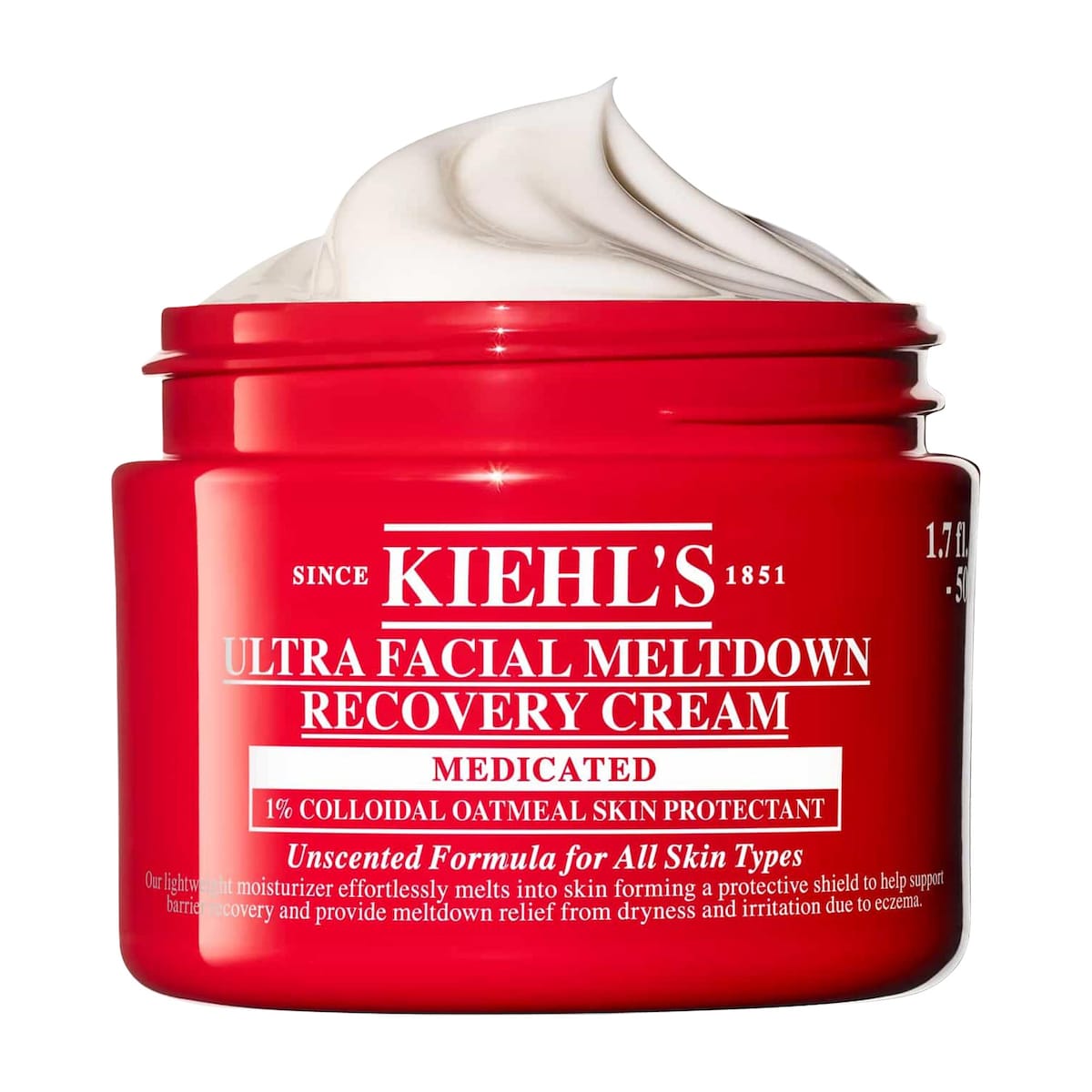
I looked at Kiehl's Ultra Facial Meltdown Recovery Medicated Cream through that exact lens. Not as a pretty cream for a perfect routine. As a recovery step for the days when skin feels dry, tight, itchy, rough, flushed, or generally over it.
The short version: I would consider it if your skin gets uncomfortable enough that your usual moisturizer stops feeling like enough, but you still want something that can sit in a normal face routine. I would skip it if you only need everyday hydration, if rich creams usually clog you, or if your skin is flaring in a way that needs medical care instead of another jar.
Quick take
Kiehl's Meltdown Recovery Cream makes the most sense as a calming barrier-support cream for dry, sensitive, reactive, or over-treated skin that needs comfort without going all the way into a heavy balm.
The product is built around 1% colloidal oatmeal, which is listed as the active skin protectant in the drug facts label. The rest of the formula leans into the cushion: glycerin, squalane, shea butter, panthenol, dimethicone, avocado oil, bisabolol, fatty alcohols, and fatty acids.
That ingredient mix tells me the product is not trying to be a watery gel. It is trying to be a flexible comfort layer.
| Product | Image | Price signal | Best fit |
|---|---|---|---|
| Kiehl's Ultra Facial Meltdown Recovery Cream | | $30 to $45 | Dry, tight, itchy, red-looking, or over-treated skin |
| Skinfix Barrier Gel Cream | 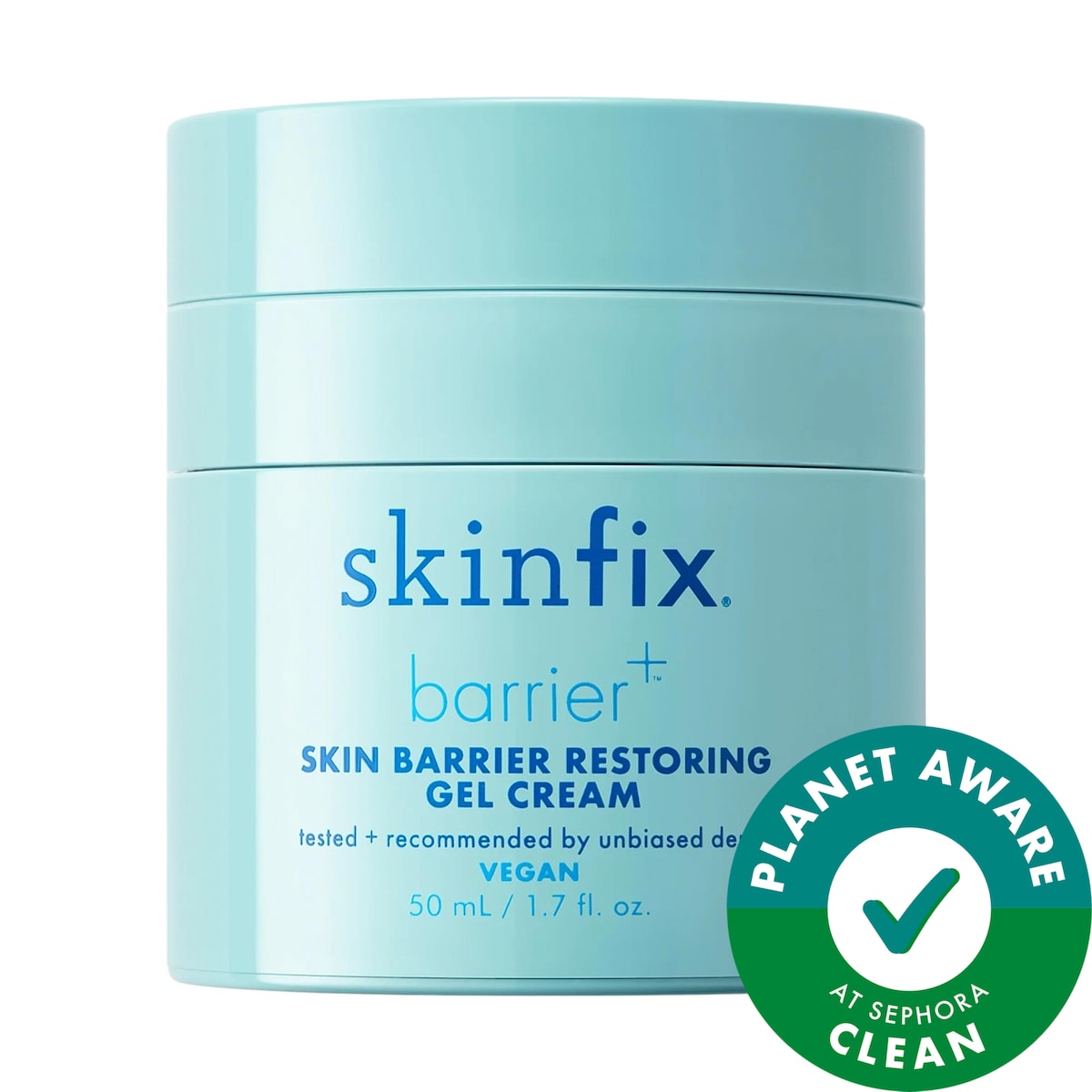 | Higher-end gel cream lane | Oily or combination skin that still wants barrier support |
| Sephora Collection Soothing Moisturizer | 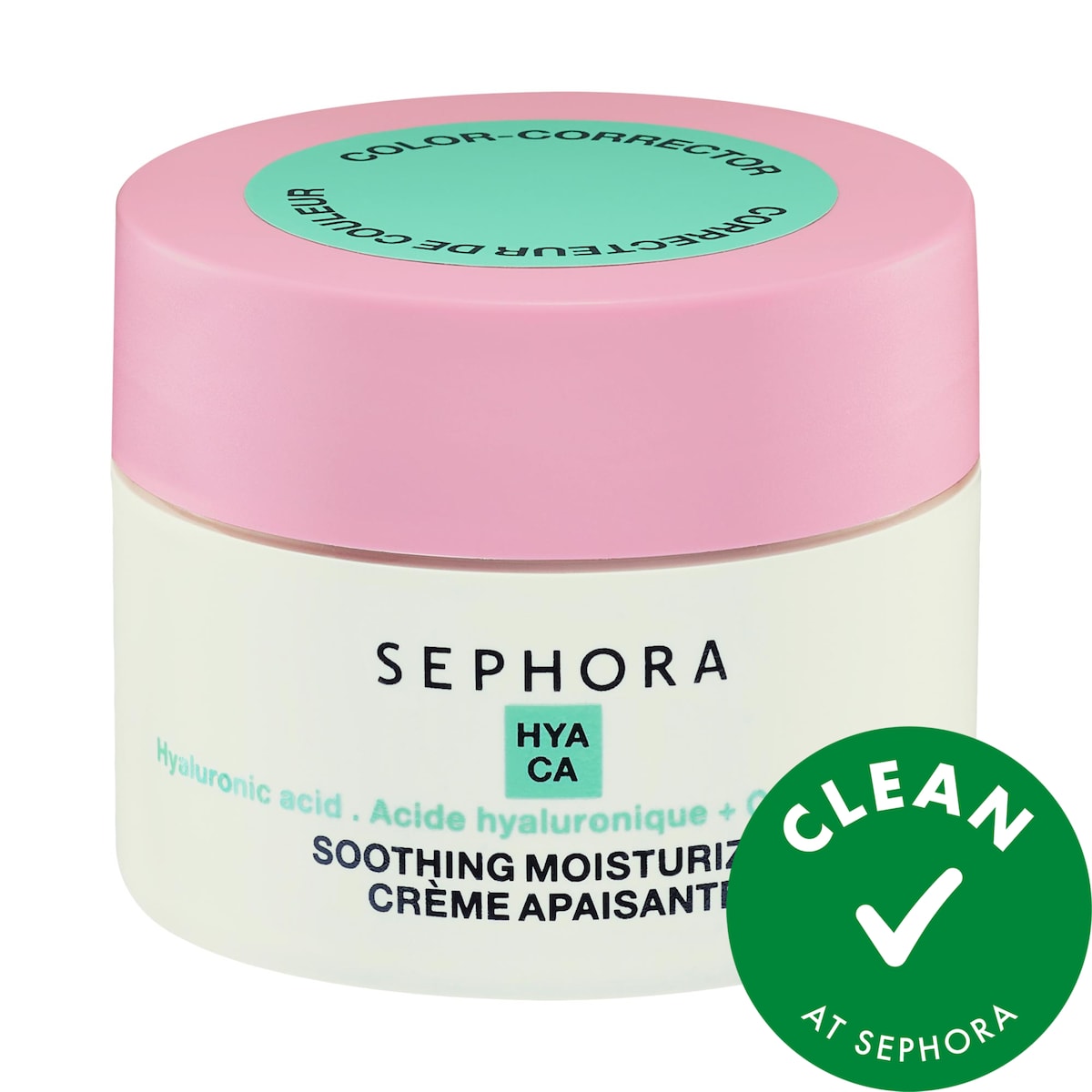 | More affordable comfort lane | Everyday sensitive-skin hydration on a tighter budget |
If I were buying one recovery cream in May 2026, I would ask one question first:
Is my skin actually uncomfortable, or am I just bored with my moisturizer?
If the answer is uncomfortable, Kiehl's gets more interesting.
What makes it different from a normal moisturizer
The word "medicated" matters here.
This is not just Kiehl's Ultra Facial Cream with a slightly more dramatic name. The Meltdown Recovery Cream has a drug facts label because the active ingredient is colloidal oatmeal at 1%. That puts it in a different lane from a standard cosmetic moisturizer.
Colloidal oatmeal is used as a skin protectant. It is commonly found in products made for dryness, itching, irritation, mild rashes, and eczema-prone discomfort. That does not mean this cream replaces a dermatologist, a prescription plan, or medical treatment. It means the product has a clearer job than "make skin feel soft."
The job is relief.
The formula also includes ingredients that make sense around that job:
- Glycerin for water-binding support.
- Squalane for a smoother, more comfortable feel.
- Shea butter for richer cushion.
- Panthenol for barrier-supportive comfort.
- Dimethicone for slip and protective feel.
- Bisabolol for a calming formula story.
- Fatty alcohols and fatty acids for cream structure and softness.
That is the reason I would not compare it directly to a simple gel moisturizer. A gel moisturizer may feel fresher. This is trying to calm a different kind of skin mood.
Who I think it is actually for
I would look at Kiehl's Meltdown Recovery Cream if your skin says things like:
- "My cheeks feel tight even after moisturizer."
- "My skin looks red when I did not do anything obvious."
- "My retinoid routine keeps making me flaky."
- "Wind, cold, travel, or over-cleansing makes my face feel raw."
- "My normal moisturizer is fine until my skin gets irritated."
- "I need a richer recovery step, but I do not want petrolatum-level heaviness everywhere."
That last line is where the product earns its place.
Some recovery products are basically ointment-adjacent. They can be great, but they are not always pleasant under sunscreen, under makeup, or during the day. Kiehl's is trying to sit in the middle: more serious than a casual daily cream, less heavy than a full occlusive rescue layer.
I like that lane for people who need comfort but still want to keep a routine moving.
Who should skip it
I would not buy this just because the word "barrier" is everywhere right now.
Skip it if your current moisturizer already keeps your skin comfortable. Skip it if rich creams reliably give you closed comedones. Skip it if your main problem is oil control. Skip it if you are looking for exfoliation, brightening, acne treatment, or a glassy makeup-primer finish.
And be careful if your skin is actively burning, swelling, cracking, oozing, or flaring repeatedly. A recovery cream can support mild irritation, but it should not become a way to delay care when the skin is clearly asking for a clinician.
The label language also matters: if symptoms last more than a week, get worse, or clear up and come back quickly, that is a reason to ask a doctor instead of repeatedly reapplying and hoping.
The price question
As of May 2026, the Kiehl's site lists the full 1.7 oz / 50 mL jar at $45, while Sephora product data shows a $30 to $45 range depending on size. That puts it above a basic drugstore moisturizer and below some luxury barrier creams.
The $45 question is not whether colloidal oatmeal is rare. It is not.
The better question is whether this specific texture and formula role solves a problem your routine keeps failing to solve.
I would feel better about the price if:
- your skin regularly gets dry, rough, itchy, or reactive
- you want one recovery cream for face-specific use
- you dislike greasy ointments
- you want something fragrance-free
- you use retinoids, exfoliants, or acne treatments that sometimes push your barrier too far
- you need a cream that can still live under sunscreen
I would feel worse about the price if:
- you only need light daily moisture
- you use recovery products once every few months
- your skin is oily and clog-prone
- you already own a cheaper oatmeal or barrier cream you trust
- you are expecting one jar to fix a chaotic routine
That last one is the trap. A recovery cream cannot outwork daily irritation.
The texture I would expect
Based on the ingredient list and product positioning, I would expect a cream that feels richer than a gel cream but more wearable than a thick balm. Shea butter, squalane, dimethicone, fatty alcohols, and triglycerides usually create cushion. Glycerin and panthenol give the formula a hydration-support logic. The brand describes it as fast-absorbing and non-greasy, but I would still test it like a real cream.
That means using less in the morning than at night.
For daytime, I would start with a thin layer on the cheeks, around the mouth, or wherever skin feels tight. I would not automatically spread a thick coat across the T-zone if that area gets shiny. Combination skin almost never needs the same moisturizer amount everywhere.
At night, I would be more generous, especially after a stressful skin day.
How I would use it after overdoing actives
This is where the cream makes the most sense to me.
If my skin felt tight, hot, flaky, or too aware of itself after exfoliation, retinoids, or too many new products, I would not keep pushing. I would simplify.
For three nights:
| Step | What I would do | What I would avoid |
|---|---|---|
| Cleanse | Gentle cleanser or a careful rinse if skin is very dry | Scrubs, cleansing brushes, harsh foaming cleansers |
| Treat | Pause optional actives | Retinoids, exfoliating acids, strong vitamin C |
| Moisturize | Kiehl's Meltdown Recovery Cream | Layering multiple new creams at once |
| Track | Note tightness, redness, flaking, and stinging | Judging the routine from one mirror check |
If the skin calms down, I would keep the routine boring for a few more days before adding anything back. The mistake is feeling relief once and immediately returning to the same routine that caused the problem.
Skin needs the boring part.
Morning routine placement
In the morning, I would use it after cleansing and before sunscreen.
Simple version:
- Gentle cleanse or water rinse.
- Kiehl's Meltdown Recovery Cream on dry or slightly damp skin.
- Sunscreen.
- Makeup if worn.
If sunscreen pills, I would use less cream, wait longer between layers, or keep the cream only on the dry zones. I would not blame the sunscreen immediately. Richer moisturizers can change how SPF grips.
If makeup separates, the same rule applies. Use less. Give it time. Avoid stacking several slippery products underneath.
Night routine placement
Night is easier.
Use it after cleansing, on its own, or over a very simple hydrating serum if your skin already tolerates that serum. I would not layer it over a new exfoliant, a new retinoid, and a new serum on the same night.
The point is to reduce variables.
If the product helps, you want to know that it helped. If it stings or clogs, you want to know that too. A crowded routine makes every conclusion blurry.
Kiehl's versus Skinfix
I would compare Kiehl's Meltdown Recovery Cream with Skinfix Barrier Gel Cream if your skin is oily, combination, or acne-prone but still barrier-tired.
The difference is weight and intent.
Kiehl's is more of a rescue-comfort cream. It has the colloidal oatmeal active and the richer recovery feel. Skinfix is more of a lightweight barrier-support gel cream, with a clearer fit for people who want support without the same creaminess.
I would choose Kiehl's if tightness, itch, redness, and roughness are louder than shine.
I would choose Skinfix if shine, pores, and acne-prone texture are still part of the decision.
Kiehl's versus a cheaper soothing moisturizer
If budget matters, I would compare Kiehl's with Sephora Collection Soothing Moisturizer.
Sephora Collection reads like a calmer everyday moisturizer. Kiehl's reads like a more targeted recovery cream. That does not automatically make Kiehl's better. It makes it more specific.
If your skin needs a daily comfort layer, start cheaper. If your skin has real "meltdown" moments where normal moisturizers do not do enough, Kiehl's is the more relevant test.
What I would not pair it with at first
I would avoid making the first week too complicated.
Do not start it on the same night as:
- a new retinoid
- a stronger exfoliating acid
- a peel pad
- a benzoyl peroxide routine
- a new vitamin C
- a fragranced facial oil
- a new sunscreen that might be irritating
That does not mean you can never use those things in the same broader routine. It means the first read should be clean.
Use the cream. Keep everything else stable. Watch what happens.
Patch testing is not overkill
Colloidal oatmeal is often gentle, but gentle does not mean universal.
Some people react to oat-derived ingredients. Some people react to rich cream bases. Some people cannot tolerate a product that most people love. Sensitive skin does not care about marketing averages.
I would patch test near the jaw or on a small area of the face for a day or two before using it everywhere, especially if your skin is reactive, eczema-prone, allergy-prone, or currently irritated.
If it burns, itches more, swells, or makes the area angrier, stop. Do not try to force a recovery product to prove itself.
The review signal I trust
I pay less attention to dramatic one-night claims and more attention to repeated patterns.
The patterns that matter for a product like this are:
- Does it reduce tightness?
- Does it make rough skin feel more flexible?
- Does it sit under sunscreen without feeling greasy?
- Does it calm dryness-related redness?
- Does it sting on compromised skin?
- Does it clog areas that normally break out?
- Does the comfort last, or does the skin feel dry again in two hours?
Those are better questions than "Is it worth it?" because worth depends on the job.
If the job is daily lightweight hydration, I would not make this my first pick. If the job is calming a face that feels overworked, I understand why it exists.
How Glass fits into the decision
I would track a product like this in Glass because recovery creams are easy to over-credit or under-credit.
When skin is irritated, every small improvement feels dramatic. When skin is still unhappy, every product feels like a failure. A simple log keeps the story more honest.
Track:
- when you used the cream
- whether actives were paused
- dryness level
- redness level
- itch or tightness
- sunscreen fit
- makeup fit
- new bumps
- photos in the same lighting
After a week, you will know more than you would from one emotional mirror check.
The bottom line
Kiehl's Ultra Facial Meltdown Recovery Medicated Cream is most compelling when your skin needs a recovery lane, not just another moisturizer. The 1% colloidal oatmeal active, fragrance-free positioning, and cushiony support ingredients make sense for dry, tight, itchy, rough, or reactive skin that needs comfort.
I would buy it if my usual moisturizer kept failing during irritation weeks. I would skip it if my skin only needed light daily hydration, if rich creams tend to clog me, or if the problem looked medical enough to need a clinician.
The clean buying line is simple: use Kiehl's when your skin needs relief and your routine needs fewer variables. Do not use it as permission to keep overdoing everything else.
Useful references: Kiehl's Ultra Facial Meltdown Recovery Cream, Sephora Kiehl's Meltdown Recovery Cream listing, DailyMed drug facts label, Cleveland Clinic on colloidal oatmeal, and AAD on atopic dermatitis treatment basics.