
Chapter Aesthetic Studio looks easy to understand at first.
It is polished. It has locations. It has a broad menu. It shows up when people are looking for aesthetic studios, Botox, filler, laser hair removal, body contouring, facials, and skin treatments around New York and nearby markets.
That is exactly why I would slow down before booking.
A bigger studio brand can be useful. It can also make the decision feel too simple. You see a clean site, a service menu, a location close to you, and a button to book. But your face is not a menu category. A first visit should answer whether the person in the room understands your goal, your skin, your anatomy, your risk tolerance, and your budget.
If I were checking Chapter Aesthetic Studio in May 2026, I would not start with, "Is it good?"
I would start with, "Good for what?"

The short answer
If you are considering Chapter Aesthetic Studio, I would choose the location first, then choose the service lane second. Chapter lists New York locations such as Orchard Park, Rochester, Cicero, Fayetteville, New Hartford, and Tonawanda, plus studios in other states. Its public service language points toward injectables like Botox and filler, medical-grade facials, body contouring, laser skin rejuvenation, laser hair removal, and related aesthetic treatments.
That range is helpful, but it is also broad enough that the consult matters more than the brand name. I would ask who performs the treatment, what they do most often, how conservative their first-visit plan is, what downtime to expect, and what they would tell me not to do.
The answer should feel specific to you.
I would compare the location, not just the brand
When a studio has multiple locations, people sometimes talk about it like one single experience.
I do not think that is how aesthetic care works.
The brand sets the container. The actual appointment is shaped by the provider, the location, the service mix, the training, the consult style, the follow-up, and how honestly they handle expectations. A great experience in one studio does not guarantee the same fit in another. A weak review in one location does not automatically define every provider under the name.
So I would compare the location I am actually considering.
For New York, I would open the local pages first: Chapter Aesthetic Studio in Orchard Park, Chapter Aesthetic Studio in Rochester, and Chapter Aesthetic Studio near Syracuse. Then I would check whether the appointment I want matches what that location appears to emphasize.
That gives me a better starting point than a generic "studio near me" search.
The service menu needs sorting
I would not treat Botox, filler, facials, laser, body contouring, and skin rejuvenation like versions of the same appointment.
They are different decisions.
| Service lane | What I would use it for | What I would ask before booking |
|---|---|---|
| Botox or wrinkle relaxers | movement lines, forehead, frown lines, crow's feet, subtle softening | Who injects, how dosing is decided, and what follow-up looks like. |
| Filler or facial balancing | volume, contour, lips, cheeks, chin, under-eye discussion | What they would leave alone, how they avoid overfilling, and what reversal options exist. |
| Laser skin rejuvenation | redness, pigment, sun damage, texture, hair removal depending on device | What skin tones they treat often and what downtime or pigment risk applies. |
| Medical-grade facials | glow, congestion, barrier support, maintenance | Whether the facial fits your current routine or active irritation. |
| Body contouring | fat-reduction or shaping goals | What results are realistic and how many sessions are expected. |
| Chemical peels | dullness, marks, texture, clogged pores | Peel depth, prep, aftercare, and whether your skin tone changes risk. |
This is the first mistake I would avoid: booking a service category before naming the problem clearly.
If I want fewer forehead lines, that is not the same appointment as "my skin looks tired." If I want smoother texture, that is not the same as facial balancing. If I want laser hair removal, I need different questions than if I want filler.
The sharper the goal, the better the consult.
I would read reviews for patterns, not drama
Reviews are useful, but not because every review is equally fair.
I would look for repeated patterns. Do people mention feeling heard? Do they name providers who explain options clearly? Do they talk about natural-looking results? Do negative reviews cluster around scheduling, pricing, communication, follow-up, or treatment outcome? Do people mention feeling pressured, confused, or surprised by the cost?
For a place like Chapter, review sites tend to show a mix of praise around clean studios, friendly staff, injectables, facials, and specific providers, plus occasional frustration around pricing or scheduling. I would not let one glowing review make the decision. I would not let one angry review make the decision either.
I would ask: what keeps repeating?
If the repeating theme is careful explanation, that is a good sign. If the repeating theme is rushed communication, I would ask more before booking.
The first visit should probably be a consult
I like a first consult because it reveals the provider's taste.
Taste matters in aesthetic care. It is not only technical skill. It is restraint, proportion, judgment, and the ability to say no when the request does not fit the face.
For injectables, I would ask:
- What would you leave alone?
- Where would you start conservatively?
- How do you avoid heaviness or overcorrection?
- What result is realistic after one visit?
- What side effects are normal?
- When should I call?
- What happens if I do not like the result?
The provider's answer to "what would you leave alone?" tells me a lot. If every area becomes an opportunity to sell, I would slow down.
Botox questions I would ask
Botox and wrinkle relaxers can look casual because they are common.
Common does not mean careless.
I would ask how they decide units, whether they prefer a conservative first treatment, how they handle asymmetry, what areas they recommend for my face, and what they avoid. I would also ask about timing. If an event is coming up, I want to know when results start, when they settle, and when a touch-up would make sense.
I would not choose only by price per area. A cheap treatment that freezes the wrong expression is not cheap. An expensive treatment is not automatically tasteful. The value is in the injector's eye, the plan, and the follow-up.
I want to leave looking like myself on a well-rested day, not like I joined someone else's face.
Filler questions I would ask
Filler requires even more restraint.
I would ask what product they would use, why that product fits the area, how much they would start with, what swelling looks like, and what the plan is if the result feels too much. I would also ask whether they dissolve filler, how they handle vascular-risk conversations, and when they would recommend not filling an area.
The under-eye area, lips, chin, cheeks, and jawline all need different judgment. Before-and-after photos can help, but I would not trust dramatic photos alone. Lighting, angle, expression, swelling, makeup, and timing can make results look better or worse than real life.
I would rather see consistent, boringly good work than one viral-looking transformation.
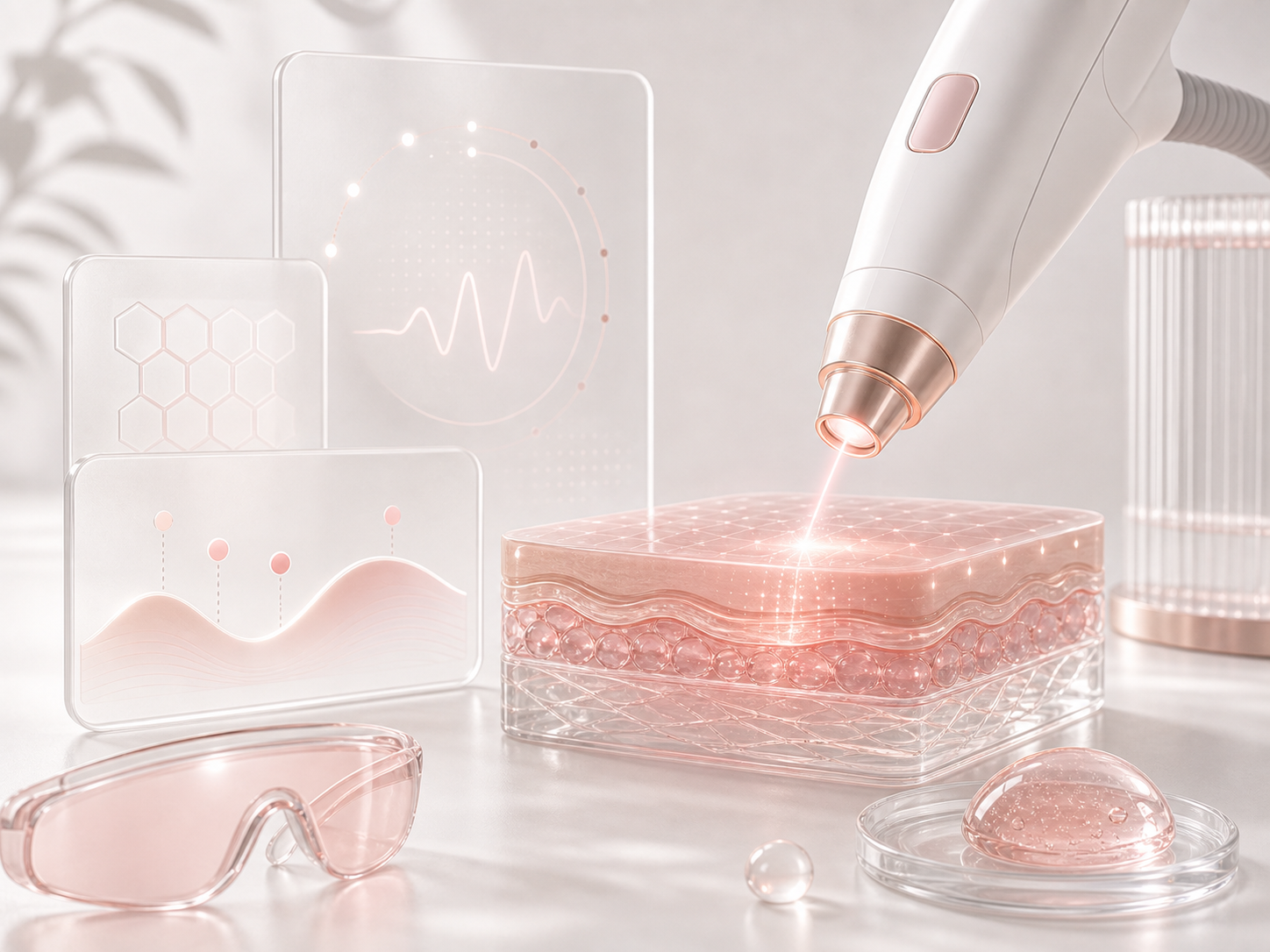
Laser and skin-treatment questions I would ask
Laser services need a skin-type conversation.
If the goal is pigment, redness, texture, hair removal, or resurfacing, I would ask what device is being used, what it is best at, what it is not good at, how many sessions are realistic, and how my skin tone changes the plan. I would also ask what makes someone a bad candidate that day.
Recent sun exposure matters. Melasma matters. Post-inflammatory hyperpigmentation history matters. Active irritation matters. Certain medications and skincare actives can matter.
I do not want a provider who acts like laser is magic. I want a provider who can explain why that device, at that time, on my skin, for my concern, is a reasonable choice.
Facials can still deserve a plan
A facial sounds lower-stakes than injections or laser, and often it is.
But I would still ask what the facial is meant to do. Is it hydration? Congestion? Barrier support? Exfoliation? Event glow? Acne-prone maintenance? A calming reset after irritation?
If my skin is burning, freshly over-exfoliated, or reacting to a new product, I would not want an aggressive facial just because the appointment is available. If I am using tretinoin, benzoyl peroxide, strong acids, or prescription acne care, I would tell the provider before they touch my face.
A good facial should make the routine easier, not add confusion.
The package conversation is where I would listen closely
Many aesthetic studios sell packages or series.
That is not automatically bad. Some treatments work best in a series. Laser hair removal, body contouring, microneedling, facials, peels, and skin-rejuvenation plans may need multiple sessions to show a meaningful pattern.
But I would not buy a package until I understand:
- what each session is doing
- who performs each treatment
- how results are measured
- whether I can pause if my skin reacts
- what is refundable or transferable
- what aftercare costs extra
- whether the series is built around my concern or a preset menu
I would be especially careful if the package bundles several intense treatments before my skin has been evaluated. More steps can sound premium while making it harder to know what helped.
What I would bring to the appointment
I would bring more than a screenshot of someone's face.
I would bring:
- recent photos in normal light
- a list of skincare products
- prescriptions and strong actives
- prior Botox, filler, laser, peel, or facial history
- allergy or reaction history
- pigment history
- budget range
- upcoming events
- the one concern I care about most
That last piece matters. If I say I care about everything equally, I make it easier to be sold everything. If I name one priority, the provider has to build a plan around it.
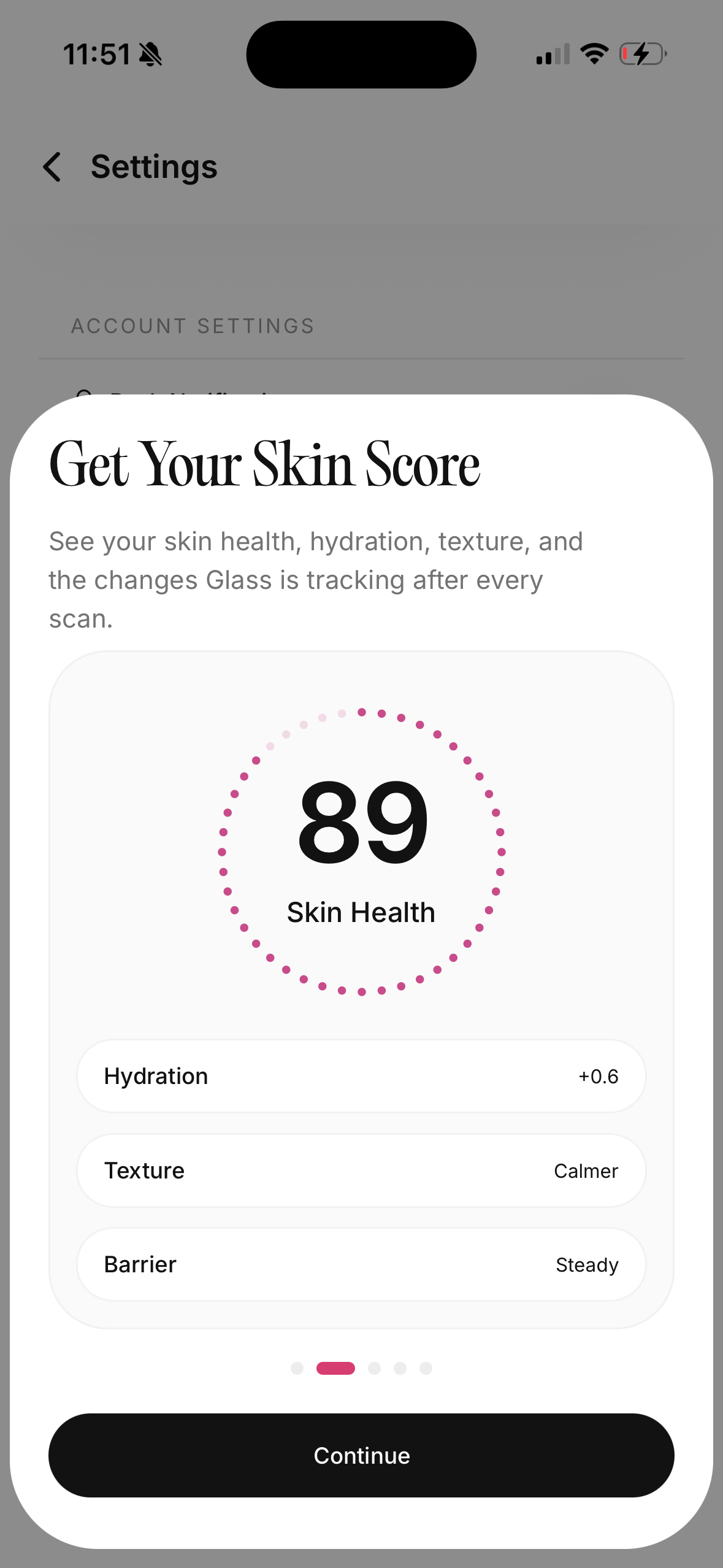
How I would use Glass before and after
I would track the appointment like a skin experiment, not like a beauty impulse.
In Glass, I would log my current routine, take baseline photos, and note what treatment I booked. Afterward, I would track swelling, redness, product changes, bruising, dryness, pigment shifts, and when the result actually settled.
This is especially useful for subtle treatments. Botox does not settle overnight. Filler swelling can change. Laser and facials can look different after a week. Body treatments may take longer.
Memory is unreliable when you are checking the mirror every morning.
The red flags I would not ignore
I would pause if:
- the consult skips medical and skincare history
- the provider cannot explain why one treatment fits better than another
- every concern is met with a package
- the price changes feel unclear
- I am pushed to treat areas I did not ask about
- downtime is minimized too casually
- pigment risk is dismissed
- follow-up is vague
- I feel embarrassed for asking basic questions
You do not need a provider who makes aesthetic care scary. You need one who makes it clear.
Who Chapter might be right for
Chapter may make sense if you want a polished aesthetic-studio environment, a broad service menu, multiple location options, and a consult that can connect injectables, skin treatments, facials, body services, and product guidance in one place.
It may be a weaker fit if you want a dermatologist-first medical diagnosis, if your concern is complex or changing, if you are nervous about packages, or if you prefer a very small independent practice where you know exactly who you will see every time.
Neither preference is wrong.
The right provider fit depends on the appointment you are actually booking.
When I would choose dermatology first
I would start with dermatology if the concern is painful, changing, bleeding, infected-looking, scarring, rash-like, or hard to identify. I would also start there for severe acne, melasma that worsens easily, unexplained pigment changes, suspicious spots, or a history of poor reactions to procedures.
Med spas and aesthetic studios can be useful. They are not a substitute for medical diagnosis when the problem needs one.
A careful studio should be willing to send you to the right kind of care.
My bottom line
I would not book Chapter Aesthetic Studio just because the brand looks polished.
I would also not dismiss it just because it is a larger studio chain.
I would judge the specific location, the specific provider, and the specific treatment plan. For Orchard Park, Rochester, Syracuse-area locations, and any other Chapter studio, I would walk in with a clear priority, ask what they would leave alone, understand pricing before committing, and track the result afterward.
A good first visit should make you feel calmer and more informed. It should not make you feel like you need to buy a package before you understand your own face.
Useful references: Chapter locations, Chapter New York locations, American Society for Dermatologic Surgery on injectable fillers, and American Academy of Dermatology on finding a dermatologist.
FAQ
Is Chapter Aesthetic Studio a med spa?
Chapter describes itself as an aesthetic studio and offers med-spa-style services such as injectables, laser treatments, facials, body contouring, and skin-rejuvenation services. I would still compare the specific location and provider before booking.
Which Chapter location should I choose in New York?
I would choose by the location you can realistically visit for follow-up, then compare provider fit. Orchard Park, Rochester, Syracuse-area, and other New York studios may share a brand, but your appointment experience depends on the person treating you.
What should I ask before Botox at Chapter?
Ask who injects, how dosing is chosen, what areas they recommend, what they would leave alone, how follow-up works, when results settle, and what side effects should prompt a call.
Should I book filler on my first visit?
I would start with a consult unless you already know the provider and the plan. Filler is taste-sensitive and area-specific, so I would want a conservative explanation, risk discussion, and follow-up plan before treatment.
Are packages worth it?
Packages can make sense when the treatment truly needs a series, but I would not buy one until the provider explains the goal, timeline, cost, cancellation terms, and what happens if your skin reacts or your priorities change.