
You cannot erase your pores.
You can make them look a lot smaller.
That is the part people usually need said out loud.
When someone talks about “shrinking” pores, what they usually want is not a biology miracle. They want their nose to look smoother. They want the center of the face to look cleaner. They want makeup to stop catching on texture. They want to stop leaning into a mirror and feeling like their pores are the only thing anyone can see.
I get it.
Pores feel personal fast.
The mistake is assuming the answer is one scrub, one strip, or one “pore tightening” product. It almost never is. Large-looking pores usually come from a mix of three things:
- oil
- dead skin buildup
- looser support around the pore over time
That is why the routine that helps most is calmer than people expect.
You clean out what is sitting there.
You slow down what keeps refilling it.
You protect the collagen that keeps the pore from looking more obvious with time.
If oily skin is the bigger conversation for you, read oily skin routine without stripping (April 2026). This page is narrower. It is for the person staring at their pores and wondering what actually changes the look.
Quick answer
If you want the short version first:
- Use a salicylic acid cleanser to help loosen oil and debris sitting in the pore.
- Add one balancing treatment like niacinamide or green tea.
- Use a retinoid at night if you want the ingredient that does the most work across oil, texture, and collagen support.
- Keep moisturizer in the routine even if your skin is oily.
- Wear sunscreen every morning, because collagen damage makes pores look looser over time.
- Use clay masks or pore strips sparingly, not constantly.
- When skincare plateaus, procedures like microneedling or resurfacing are what usually move the needle next.
That is the whole map.
Not glamorous.
Just useful.
What a pore actually is
I think pores make more sense once you stop thinking of them as empty dots on the surface.
A pore is really a working structure.
There is the opening you can see. There is the oil-producing system attached to it. And there is the support around it, which is where collagen comes in. That support matters more than people realize.
When that surrounding structure is firm and dense, the pore tends to look tighter.
When it gets looser, the pore tends to look more obvious.
That is part of why people can use decent skincare for oil and still feel like their pores look larger with time. They are solving the debris problem, but not fully solving the structural one.
That difference matters.
Because once you understand it, the routine gets much less random.
Why pores start looking larger
There are a few reasons pores start to take over the conversation.
1. Oil and dead skin collect inside them
This is the most common reason.
Oil rises up from below. Dead skin falls in from above. That mix builds up into the stuff people love pulling out with pore strips and masks. When enough of it sits there, the pore looks fuller and more obvious.
That is why the pore often looks largest right after something extracts the contents. You are suddenly seeing the opening without the plug sitting in it.
2. Collagen support gets weaker
This is the part most people underweight.
When skin is younger and more supported, the pore tends to look more compressed. As collagen loosens from age and sun exposure, the pore can look more dilated. That is why sunscreen and collagen-supporting treatments matter here even though they do not feel “pore specific” at first glance.
3. The skin surface gets thicker and duller
If the very top layer of skin starts looking rough, flaky, or heavy, pores tend to look louder. You are not just seeing the opening. You are seeing an uneven surface around it too.
That is why texture, not just oil, changes the conversation.
The three jobs that actually change the look of pores
When I want to simplify pores, I break the routine into three jobs.
1. Empty them out
This is the cleanup part.
You are removing what is already sitting there:
- oil
- dead skin
- debris
This is where salicylic acid cleansers, oil cleansing, facials, and occasional pore-reset steps come in.
2. Slow down the refill
This is the control part.
You are not just cleaning the pore. You are reducing how fast it keeps looking overloaded.
The most useful ingredients here are:
- retinoids
- niacinamide
- green tea
Azelaic acid can help in some routines too, but I think of retinoids as the heavy hitter here.
3. Support the structure around the pore
This is the long game.
It is also the part people usually ignore until they are frustrated.
Retinoids matter here again. Sunscreen matters here. And once skincare takes you as far as it can, procedures start mattering here more than another random serum does.
That is the frame I trust most:
- clear the pore
- calm the refill
- protect the support
The product lineup that makes this easier
These are not the only products that can work. They are the ones that fit this routine cleanly and match what the site already uses well.
| Image | Step | Product | Best for | Why it earns a place |
|---|---|---|---|---|
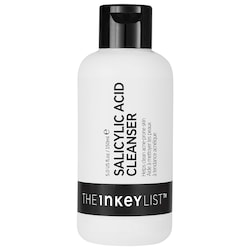 | Cleanse | The INKEY List Salicylic Acid Acne + Blackhead Cleanser | Oil, blackheads, and clogged-looking pores | The clearest pore-cleanout cleanser in this lineup |
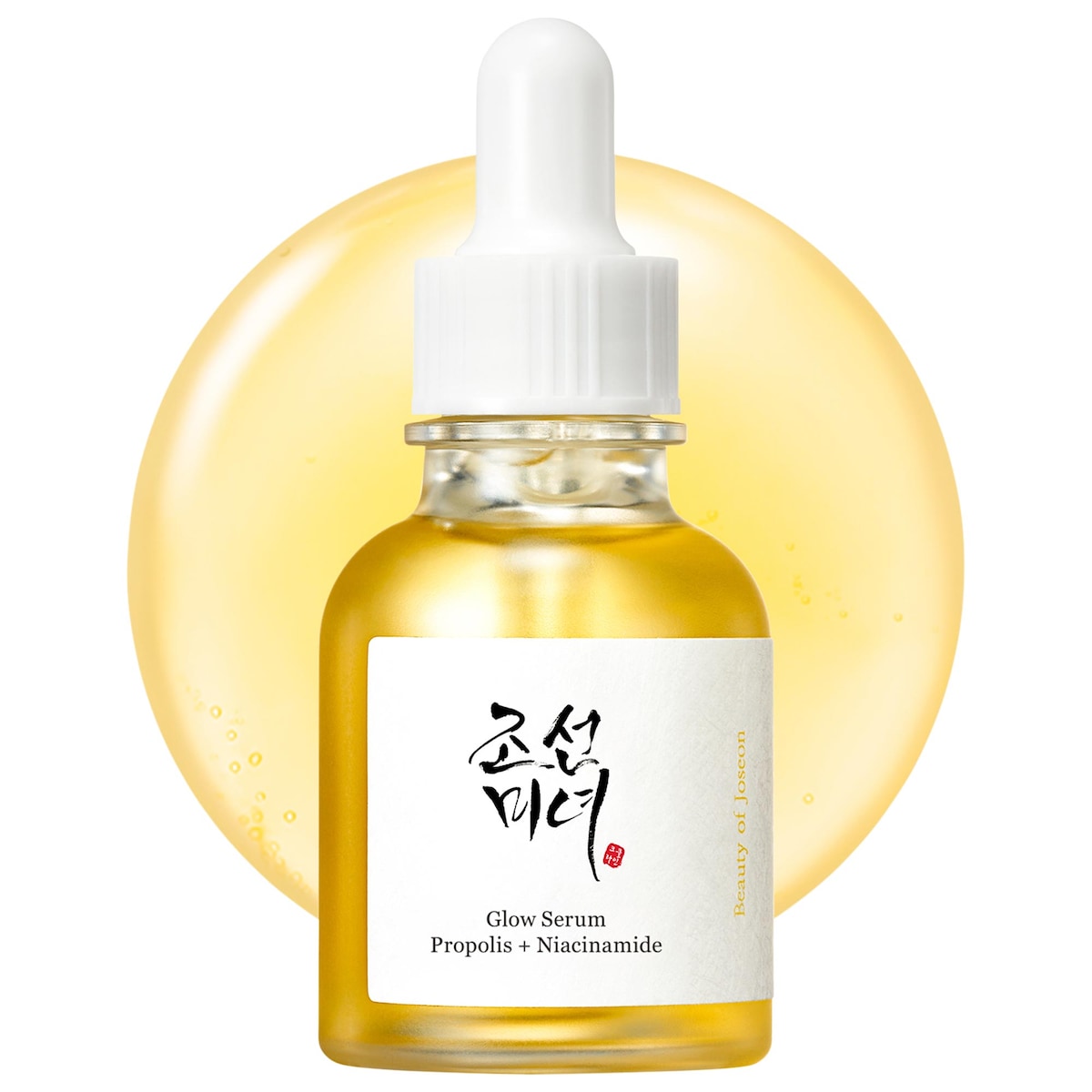
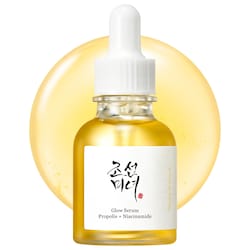 | Balance | Beauty of Joseon Glow Serum for Oil Control with Niacinamide | Visible pores, oilier zones, post-breakout unevenness | Gives pores a calmer daily treatment lane without getting harsh |
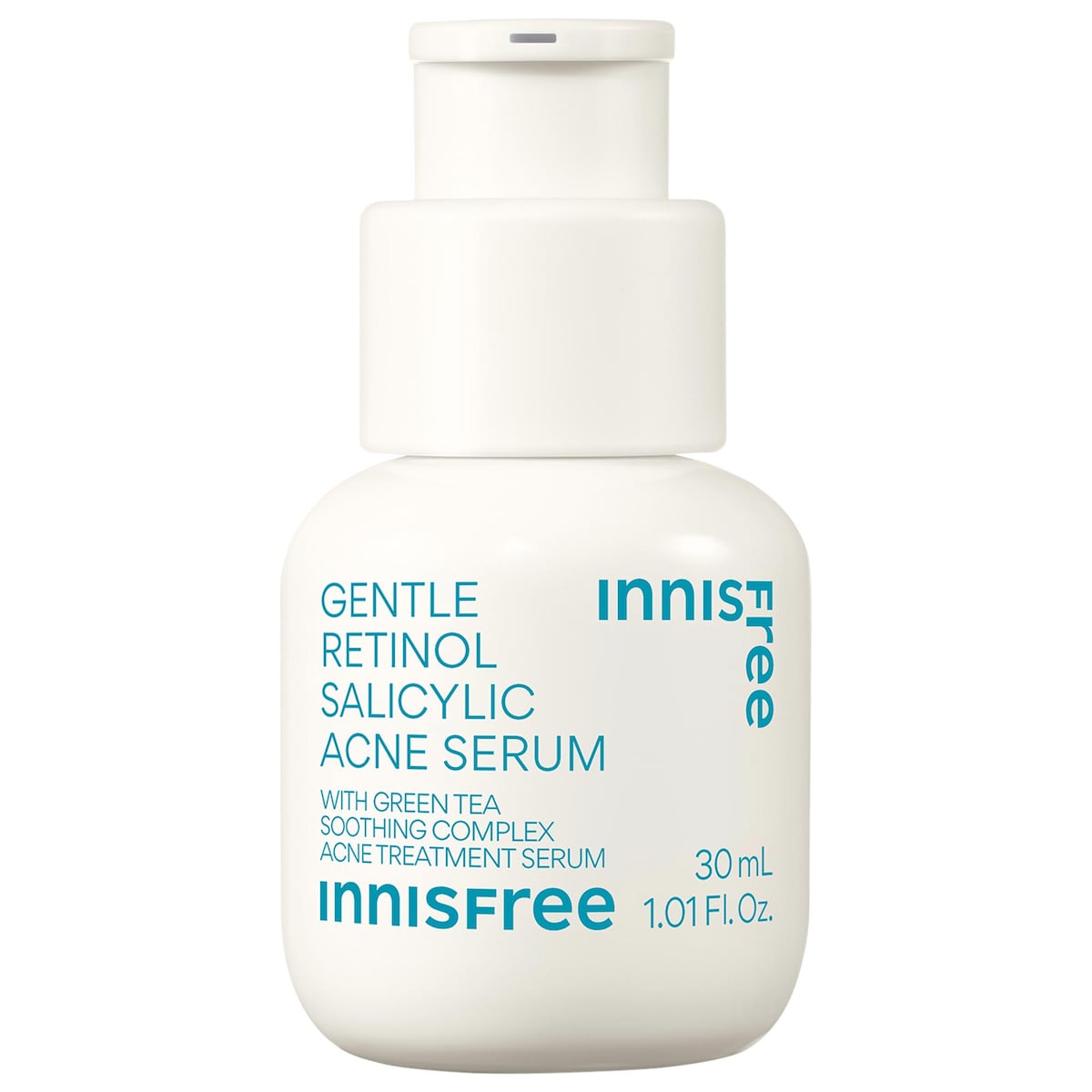
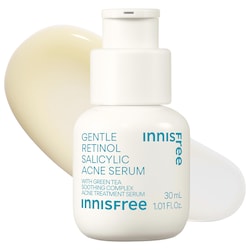 | Night treat | innisfree Gentle Retinol + Salicylic Acid Acne Serum for Blemishes + Post-Acne Scars | Pores plus oil and texture | A smarter one-step PM treatment than stacking separate actives badly |
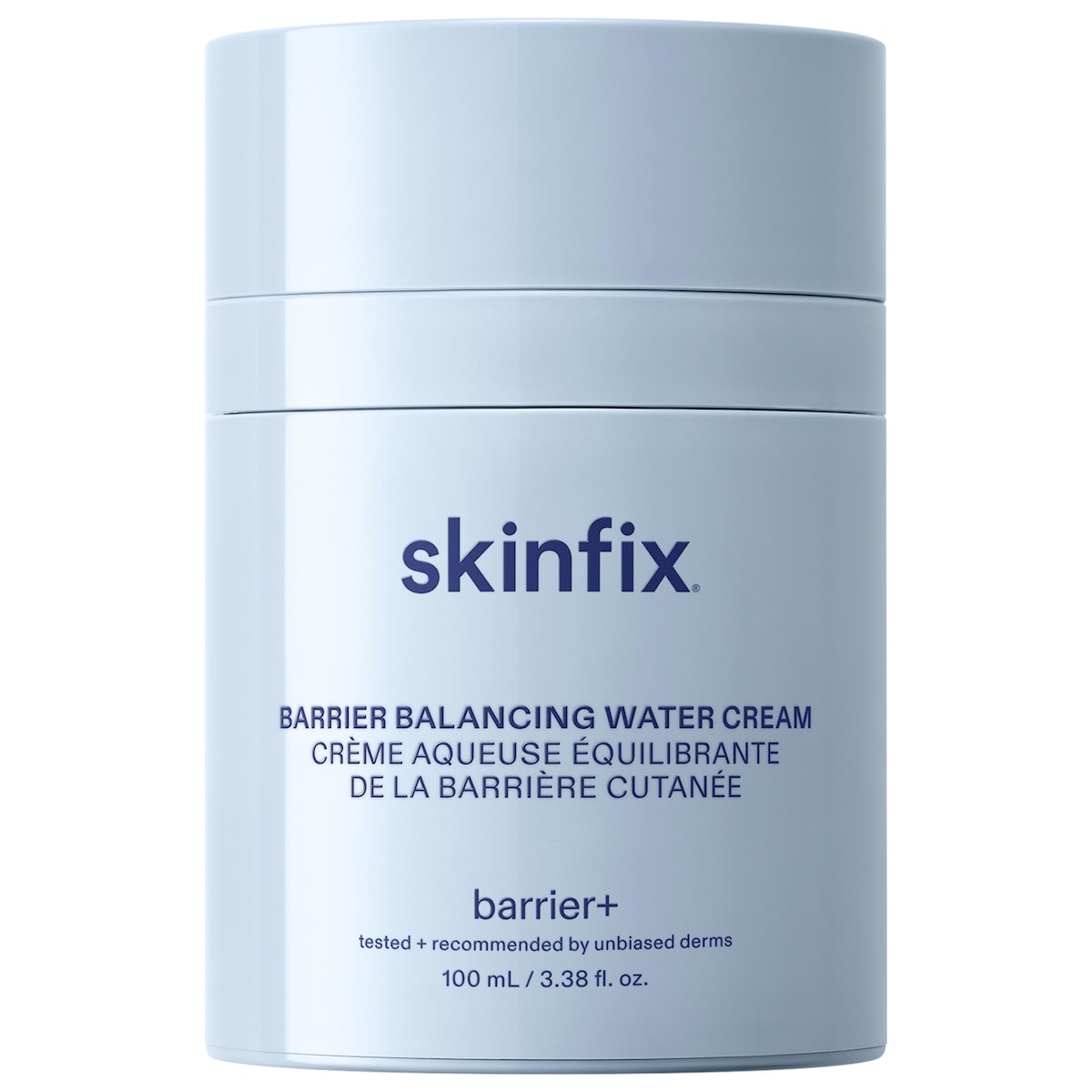
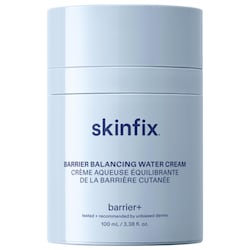 | Moisturize | Skinfix Barrier Balancing Water Cream Moisturizer with Hyaluronic Acid | Oily or combination skin that still needs support | Helps keep the routine stable without making the finish heavy |
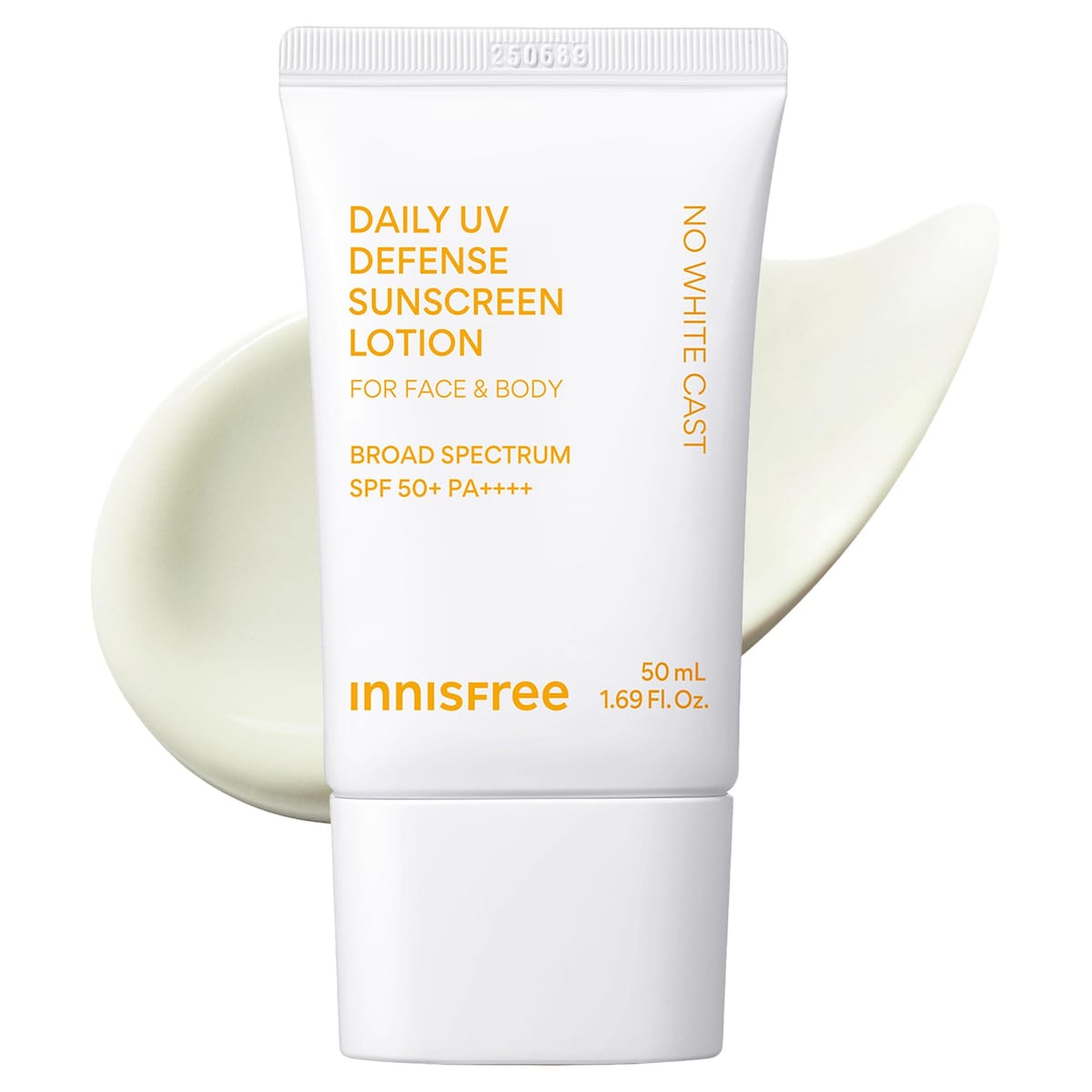
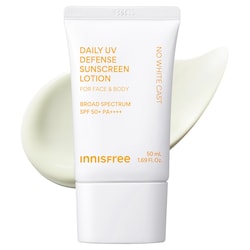 | Protect | innisfree Daily UV Defense Invisible Korean Sunscreen Lotion Broad Spectrum SPF 50+ PA++++ | Daily wear and collagen protection | The sunscreen step that keeps pore support from getting worse over time |
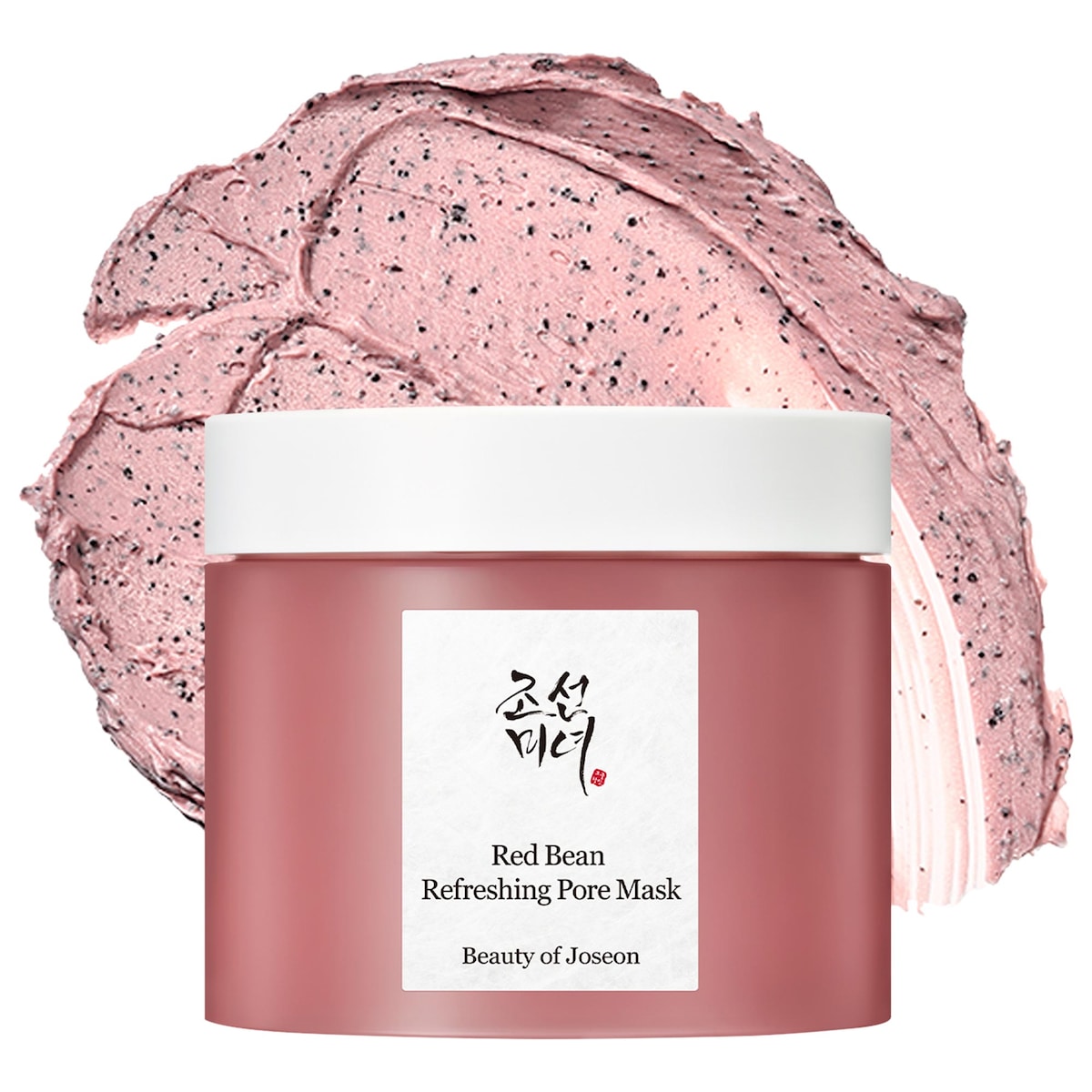
 | Weekly reset | Beauty of Joseon Red Bean Refreshing Pore Mask for Purifying Pore Care | Overloaded nose and weekly congestion reset | A more disciplined pore-reset step than constant strips and scrubbing |
1. Start by getting the pores cleaner, not by trying to “tighten” them first

If the pore is full, start there.
This is where a lot of people waste time. They buy firming serums, pore-blurring primers, and “shrink” treatments before dealing with the fact that the pore is still visibly packed with oil and debris.
That is why a salicylic acid cleanser makes so much sense as the first meaningful step. Salicylic acid is oil-soluble, which is exactly why it belongs in the pore conversation. It is one of the most useful ingredients for loosening what is sitting inside oily, congested pores.
The INKEY List Salicylic Acid Acne + Blackhead Cleanser is a clean example of that lane.
This is the right first step if:
- the pores on your nose look full more than loose
- blackheads and sebaceous buildup are part of the story
- your skin gets oily through the day
- you want the simplest possible reset
This is also where I would say something people usually do not want to hear:
You do not need to attack your face.
You need to clean it properly.
That is different.
If salicylic acid cleansers are the category you want to narrow harder, best salicylic acid cleansers at Sephora for acne-prone skin (April 2026) is the better follow-up.
2. Once the pore is cleaner, stop it from refilling so fast
This is where daily maintenance starts.
If I only cleaned out the pore and never changed the oil or cell-turnover side of the equation, the result would not last. It would look better for a moment and then drift right back.
That is why I like a balancing step here.
The most useful daily-treatment lane for a lot of people is still niacinamide, especially when pores are tied to:
- oilier T-zones
- post-breakout unevenness
- that not-quite-acne, not-quite-texture middle ground
Beauty of Joseon Glow Serum for Oil Control with Niacinamide fits that job well.
I also think green tea deserves more credit in this conversation. It is one of the cleaner supporting ingredients for oilier skin and larger-looking pores. It is not loud. It just tends to fit.
This step is right when:
- your pores look bigger by the end of the day than in the morning
- oil is clearly part of the problem
- you want a leave-on step that is gentler than jumping straight into stronger actives twice a day
If you know niacinamide is where you need more options, best niacinamide serums at Sephora for pores is the tighter next read.
3. Retinoids do the most work here because they solve more than one problem at once
This is the anchor step.
If I had to pick the one category most likely to matter for pores over time, it would still be retinoids.
That is because they help across the whole conversation:
- they help with oil control
- they help turn over the dead skin that can collect around and inside the pore
- they help support the collagen story, which changes the look of the pore itself
That range is why retinoids keep showing up no matter which angle of the problem you start from.
innisfree Gentle Retinol + Salicylic Acid Acne Serum is a useful fit here because it keeps the PM treatment focused. It is not a perfect match to every skin type, but it is a good example of the kind of night step that actually does something meaningful for pores, oil, and texture together.
This is the right night lane if:
- your pores look large and your skin is also oily
- texture and breakouts tend to overlap
- your current routine cleans well but does not really correct anything
- you want one true treatment owner at night
If you are new to retinoids, do not force it every night immediately. That is how people talk themselves into thinking retinol “does not work,” when what actually happened is they made the whole routine too aggressive too fast.
If retinol is the branch you want to shop more carefully, best retinol serums at Sephora for oily skin is the better next page.
4. Moisturizer still belongs here, even if your skin is oily
This is where people sabotage their own progress.
They start using salicylic acid.
They start using retinol.
Their skin gets tight or a little reactive.
Then they decide moisturizer is the problem because it feels counterintuitive to add it on top of an already-oily face.
Usually the problem is not moisturizer.
It is the wrong moisturizer.
Skinfix Barrier Balancing Water Cream makes sense here because it gives support without turning the routine greasy. That matters because irritated, overworked skin rarely makes pores look better. It usually makes the whole middle of the face look more obvious.
Use this kind of moisturizer if:
- your skin is oily but also easy to irritate
- actives are starting to work, but you need the routine to stay wearable
- heavy creams make your pores feel louder, not calmer
- you want barrier support without a thick finish
If moisturizer choice is still unstable, best Sephora moisturizers for oily skin is the better branch.
5. Sunscreen is not optional if collagen support is part of the conversation
This is the part that gets skipped because it is less emotionally satisfying.
No one gets excited about sunscreen when they are obsessing over pores.
But if sun damage keeps weakening the collagen around the pore, you are trying to win with one hand tied behind your back. That is why this step matters more than people think. It is not just protection in the abstract. It is support for the part of the problem you cannot scrub your way out of.
innisfree Daily UV Defense Invisible Korean Sunscreen Lotion SPF 50+ PA++++ earns a place because it is light enough to repeat. That matters. The best pore routine is still useless if your sunscreen is the step you resent and skip.
This step matters most when:
- you are actually trying to keep results, not just create them
- your pores have started looking more noticeable with age
- you are using retinoids or exfoliants already
- you need the morning routine to stay realistic
If SPF is still the step that makes your whole face feel too shiny, best sunscreens at Sephora for oily skin is the cleaner next stop.
6. Sometimes pores need a reset before maintenance really shows up
This is the place for facials, occasional strips, and masks.
Not every day.
Not every week just because you are anxious.
Just when the pores are clearly overloaded enough that the routine needs a reset.
A good facial with extractions can help. A trained esthetician can do far more with that than most people can with a DIY pore vacuum and a bathroom mirror. I would avoid home pore vacuums for exactly that reason. They are easy to overdo and easy to bruise with.
Pore strips can help occasionally too, but I think of them as a sparing reset, not a lifestyle.
The friendlier at-home lane for a lot of people is a clay-style reset step. Beauty of Joseon Red Bean Refreshing Pore Mask fits that role better than turning every cleanse into a “deep detox” event.
Use a weekly reset when:
- the nose feels visibly overloaded
- blackheads and sebaceous buildup are winning
- your daily routine is solid but the pores still need a cleanout
- your skin can tolerate an occasional stronger move
What I would not do is use pore strips constantly while also using retinoids aggressively. That is how you go from “why are my pores so visible” to “why is the skin around my nose angry all the time.”
7. When skincare stops moving the needle, structure is the next frontier
This is the most misunderstood part of the whole topic.
People often do the topical routine correctly enough to get a decent improvement. The pores look cleaner. The oil is more manageable. Texture is a little smoother.
Then they hit a wall.
That wall is usually structural.
If the collagen support around the pore is part of the issue, you will eventually reach the point where another cleanser or serum is not the real answer. That is when procedures start making sense.
The ones most worth understanding are:
- microneedling
- fractional resurfacing lasers
- other collagen-stimulating in-office procedures
Those treatments matter because they do more than just clean the pore. They push collagen remodeling, which is the part of the puzzle that skincare only moves so far on its own.
That does not mean start there.
I still think the smartest order is:
- get the routine right
- let it plateau
- decide if the remaining problem is structural enough to justify procedures
That sequence saves a lot of money and a lot of confusion.
There is one more narrower lane worth knowing too. If the pores on the nose are becoming unusually coarse, enlarged, or tied to obvious oil-gland overgrowth, that is dermatologist territory. Prescription options and more serious interventions can matter there in ways that over-the-counter products just do not.
A simple morning and night routine for pores
Here is the easiest structure to keep.
Morning
- Salicylic acid cleanser if your skin wakes up oily.
- One balancing serum if needed.
- Lightweight moisturizer.
- Sunscreen.
Night
- Cleanse thoroughly.
- Use your retinoid treatment.
- Moisturize.
Then use a pore-reset step only when the skin actually needs it.
That is enough.
The routine does not need fifteen parts. It needs the right jobs done consistently.
What I would stop doing first
If you feel like your pores are getting worse no matter what you buy, I would cut these habits before adding anything else:
- scrubbing because rougher treatment feels more effective
- using pore strips too often
- skipping moisturizer because your skin is oily
- chasing pore-blurring makeup before fixing the skincare underneath
- expecting one cleanser to solve a structural problem
- buying every “pore tightening” product without a real routine backbone
Pores usually do not respond to panic.
They respond to a better system.
FAQ
Can you actually shrink your pores?
Not in the literal, permanent, erase-the-structure sense most people imagine. What you can do is make them look smaller by clearing buildup, managing oil, smoothing texture, and supporting the collagen around them.
What ingredient matters most for large-looking pores?
If I had to pick one category, it would be retinoids, because they touch oil control, cell turnover, and collagen support at the same time.
Does salicylic acid help pores?
Yes. It is one of the most useful ingredients for pores that look larger because of oil and congestion, especially around the nose.
Do pore strips help?
Sometimes, but best used sparingly. They can be a reset step, not a daily solution.
When should I think about procedures?
When your skincare routine is already solid and you have clearly hit a plateau. That is usually when the remaining issue is less about buildup and more about structure.
The best pore routine usually looks less dramatic than you expected
That is the part I trust most.
If the routine feels calmer, cleaner, and easier to repeat, it is probably moving in the right direction. If it feels harsher every week and your pores are still bothering you, the answer is not always more force. Sometimes it is better sequencing. Sometimes it is patience. Sometimes it is finally admitting the remaining problem is structural and not just oily.
For April 2026, the best answer to “how do I shrink my pores?” is still the least glamorous one:
clean them out, stop them from refilling so fast, and protect the skin that keeps them from looking looser with time.